
<\!-- wp:heading -->
A secret garden of artist studios where Gauguin and Modigliani created masterpieces
<\!-- /wp:heading --><\!-- wp:paragraph -->
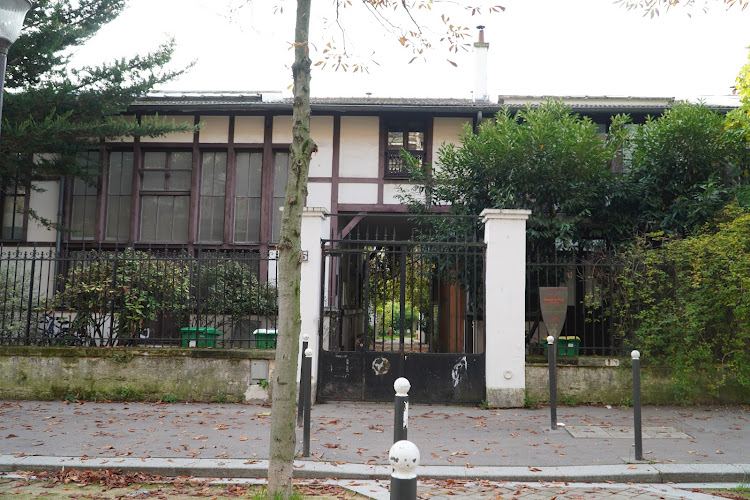
At 65 boulevard Arago in the 13th arrondissement, the Cité fleurie stands as one of Paris\u2019s most enchanting artistic enclaves and a living testament to the city\u2019s enduring commitment to fostering creative expression. Built in 1878 from materials salvaged from the Universal Exhibition, this extraordinary collection of approximately 30 artist workshops nestled within lush vegetation has provided sanctuary for artistic creation for nearly 150 years.
<\!-- /wp:paragraph --><\!-- wp:paragraph -->
This “secret garden” has sheltered some of art history\u2019s most celebrated figures, including Paul Gauguin, Amedeo Modigliani, and Auguste Rodin, who found in these modest studios the creative sanctuary necessary for producing works that would transform modern art. The cité\u2019s survival demonstrates how purpose-built artist communities can maintain their essential character while adapting to changing economic and social conditions.
<\!-- /wp:paragraph --><\!-- wp:heading {"level":3} -->
Universal Exhibition heritage and sustainable architecture
<\!-- /wp:heading --><\!-- wp:paragraph -->
The innovative use of recycled Universal Exhibition materials in the cité\u2019s construction represents an early example of sustainable architecture and adaptive reuse that predates contemporary environmental consciousness by over a century. The builders\u2019 decision to repurpose exhibition structures for permanent artist housing demonstrated both practical economy and visionary understanding of how temporary cultural infrastructure could serve lasting artistic purposes.
<\!-- /wp:paragraph --><\!-- wp:paragraph -->
The workshops\u2019 simple yet functional design, integrated within carefully planned garden settings, created ideal conditions for artistic work while fostering the community atmosphere essential for creative collaboration and mutual inspiration among resident artists.
<\!-- /wp:paragraph --><\!-- wp:heading {"level":3} -->
Legendary artistic residents and creative legacy
<\!-- /wp:heading --><\!-- wp:paragraph -->
The roll call of artists who worked within the Cité fleurie reads like a who\u2019s who of modern art history. Gauguin\u2019s residence here during crucial periods of his artistic development provided the peaceful environment necessary for developing his revolutionary post-impressionist style, while Modigliani\u2019s time at the cité coincided with his most productive sculptural and painting periods.
<\!-- /wp:paragraph --><\!-- wp:paragraph -->
Rodin\u2019s connection to the cité demonstrates how established masters could benefit from the creative energy generated by communities of working artists, creating cross-generational artistic dialogue that enriched both individual artistic development and broader cultural movements.
<\!-- /wp:paragraph --><\!-- wp:heading {"level":3} -->
Contemporary artistic community and cultural continuity
<\!-- /wp:heading --><\!-- wp:paragraph -->
Today, the Cité fleurie continues to serve its original purpose as a working artist community, maintaining the traditions of affordable studio space and creative collaboration that have defined its character since 1878. The cité\u2019s survival as a functioning artistic community demonstrates how historic creative spaces can resist gentrification pressures while continuing to serve their essential cultural mission.
<\!-- /wp:paragraph --><\!-- wp:paragraph -->
The annual open days provide rare public access to this normally private creative sanctuary, allowing visitors to experience active artist studios while understanding the working conditions that have fostered artistic excellence for generations. These events create bridges between artistic community and broader public while respecting the privacy necessary for sustained creative work.
<\!-- /wp:paragraph --><\!-- wp:heading {"level":3} -->
Garden architecture and creative sanctuary
<\!-- /wp:heading --><\!-- wp:paragraph -->
The cité\u2019s integration of modest workshop architecture within abundant vegetation creates an environment that balances urban convenience with pastoral tranquility, providing artists with both practical working conditions and inspirational natural settings. The garden design demonstrates how creative communities can maintain connection to nature within urban contexts while fostering the contemplative atmosphere essential for artistic development.
<\!-- /wp:paragraph --><\!-- wp:paragraph -->
The workshops\u2019 architectural simplicity, combined with garden abundance, creates environments where artistic focus can flourish without distraction, proving that great art often emerges from modest circumstances when combined with community support and natural beauty.
<\!-- /wp:paragraph --><\!-- wp:heading {"level":3} -->
Cultural heritage and artistic inspiration
<\!-- /wp:heading --><\!-- wp:paragraph -->
For visitors to Paris interested in artistic history, sustainable architecture, or the conditions that foster creative excellence, the Cité fleurie offers a unique glimpse into how artist communities can maintain their essential character across generations while contributing to broader cultural life. The cité proves that the finest creative environments emerge when practical necessity meets artistic vision within supportive community contexts.
<\!-- /wp:paragraph --><\!-- wp:paragraph -->
The Cité fleurie demonstrates that Parisu2019s reputation as a global artistic center rests not only on its great museums and monuments but also on its continued commitment to providing working artists with the spaces and community support necessary for creating the masterpieces that will define future cultural heritage.
<\!-- /wp:paragraph -->