
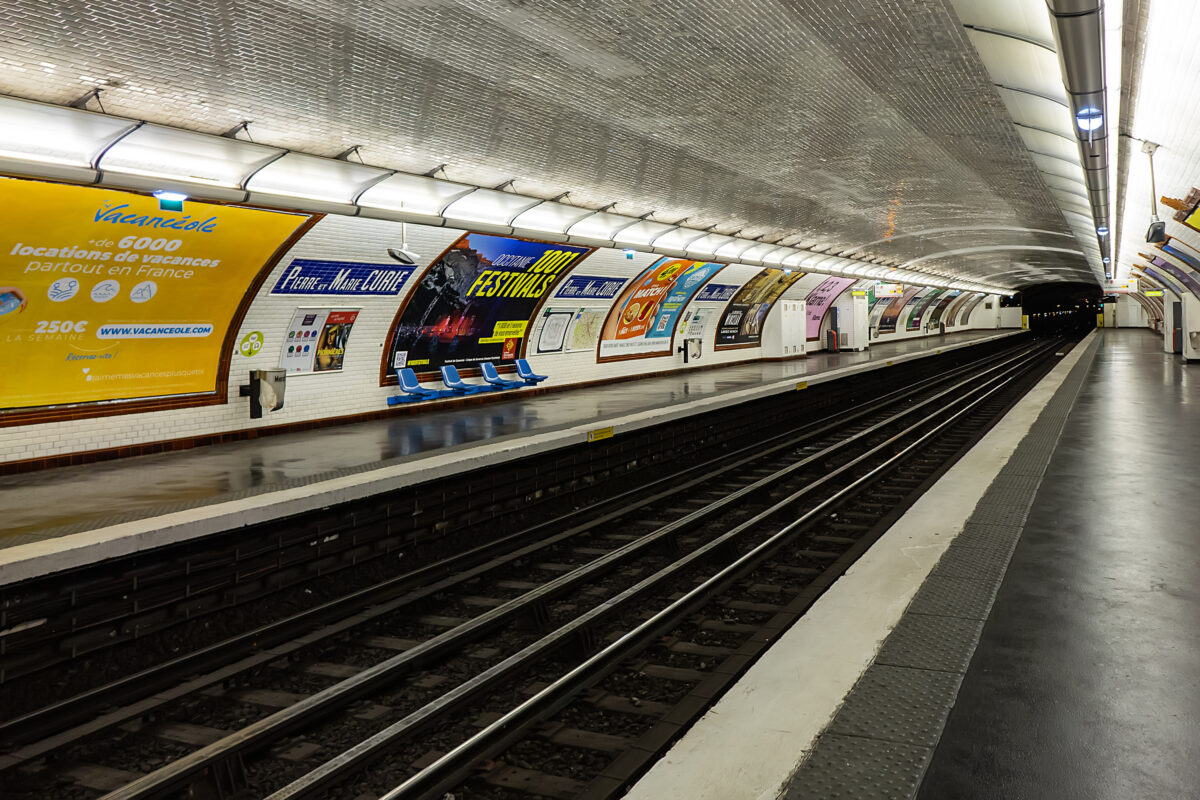
The Paris Metro is not stroller-friendly: only Line 14 is fully step-free, and most classic lines have stairs and no lift. The most reliable options with a pram are Line 14, the handful of accessible RER stations, and the bus network, which is 100% ramp-equipped. Use the wide gate beside the turnstiles (ask a staff member to open it), travel between roughly 11 a.m. and 4 p.m. to dodge crowds, and bring a lightweight folding stroller. Single Metro/RER tickets are €2.55 in 2026, with a reduced €1.30 fare for children aged 4-9 and free travel for under-4s. The table and steps below cover accessible lines, fares, and boarding.
Line / mode | Step-free access | Stroller verdict |
|---|---|---|
Metro Line 14 | Yes (fully automated) | Best metro option; lifts at every station |
RER A & B (select stations) | Partial | Check the station has a working lift first |
Classic Metro lines 1-13 | Mostly none | Expect stairs; use the wide gate and ask for help |
Buses & trams | Yes (ramp on every vehicle) | Easiest option overall with a pram |
Some links in this guide are affiliate links. If you book a tour or product through them, we may earn a small commission at no extra cost to you.
The Paris Metro can feel like a puzzle when you’re pushing a stroller through its historic corridors and stairways. Most stations weren’t exactly built with parents in mind, so you’ll run into narrow turnstiles, endless stairs, and those infamous rush hour crowds.
If you want to survive the Paris Metro with a stroller, bring a lightweight folding one, hunt down stations with elevators or accessible gates, and check out apps that highlight accessible paths. The bright side? Metro Line 14 is now fully accessible, and more upgrades are underway. Sometimes, buses beat the Metro for certain routes since you can just wheel your stroller right on without folding it up.
Parisian parents deal with these hurdles daily, and with a bit of planning, you can too. The public transport system lets kids under 4 ride free, which definitely helps stretch your family budget while you explore the city’s neighborhoods and sights.
Key Takeaways
- Pick a compact, lightweight stroller that folds up easily for stairs and turnstiles.
- Stick to accessible Metro stations with elevators and wide gates, or take buses for the most stroller-friendly routes.
- Kids under 4 ride free, and day passes can save families both time and money.
Essential Metro Accessibility Tips for Stroller Users
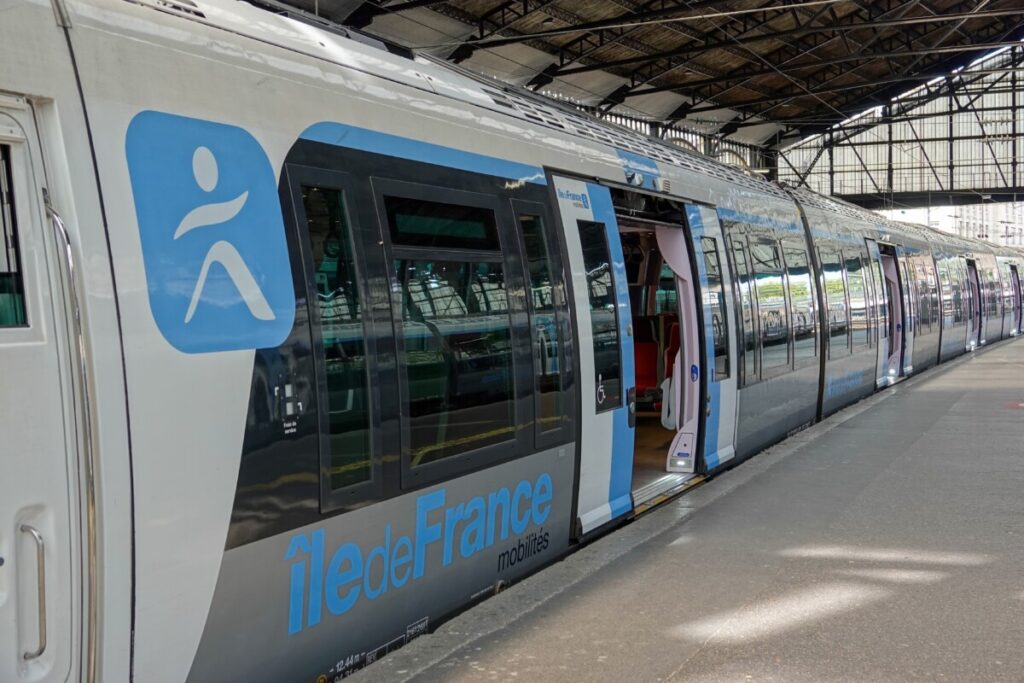
The Paris Metro can feel intimidating with a stroller, but if you know which stations have elevators and when to travel, you’ll make your life a lot easier.

Let’s be real: the Paris subway wasn’t designed for strollers. Most stations have stairs, and lots of them, and plenty of parents end up struggling with heavy gear while other passengers rush past.
Your best move is to check the RATP app before you leave each morning. It shows which elevators are working in real time, though sometimes the updates lag behind reality. If an elevator’s out, you’ll need a backup plan—happens more often than you’d think.
Look for accessibility symbols near station entrances. They point you to elevators or the widest gates. But here’s a secret: even “accessible” stations might have a step or two between the elevator and the platform. Annoying, right?
If you’re stuck with stairs, just ask for help. Parisians might get a bad rap, but most will help a parent with a stroller, and it happens often, especially at stations with endless stairs.
Identifying Accessible Stations and Lines
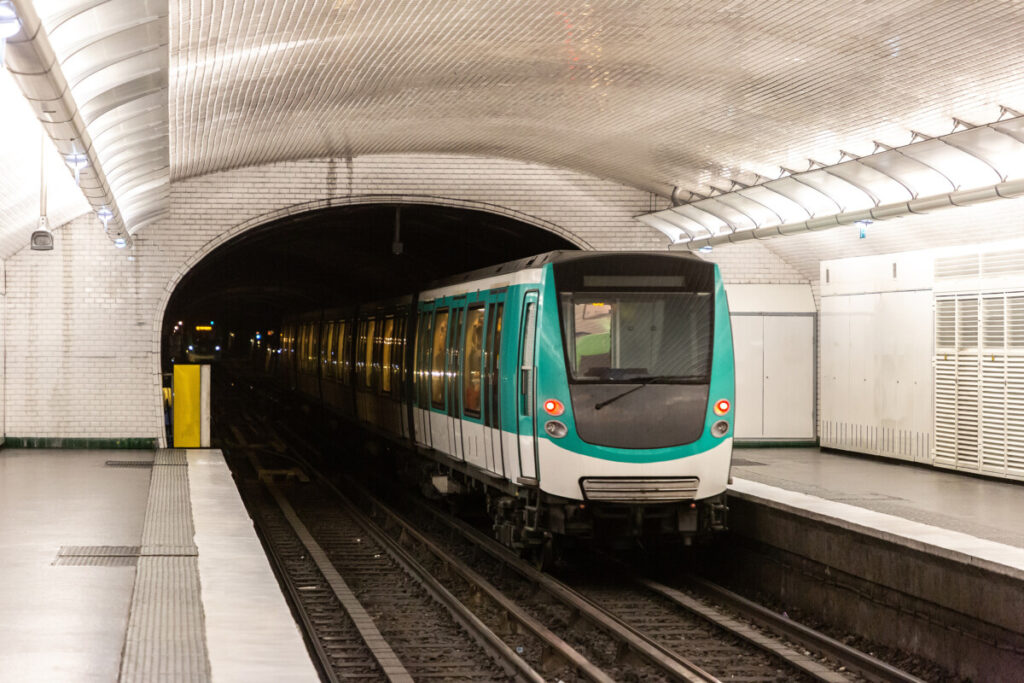
Line 14 is a lifesaver when navigating Paris public transport with a stroller. Every station has elevators that actually fit your stroller, your groceries, and maybe even your sanity. It’s worth going a bit out of your way to use it.
Line 1’s another solid bet, especially for hitting big tourist spots. The platforms are wide, and the automated doors help, but not every stop has an elevator. The newer extensions on Lines 4 and 11 have added some accessible stations, which is a relief.
But Line 6? Gorgeous views of the Eiffel Tower, but those old stations mean hauling your stroller up steep, winding stairs. Your back will not thank you.
Most Accessible Lines:
- Line 14 (fully accessible)
- Line 1 (partially accessible, modern platforms)
- Line 4 (new extensions only)
The Paris public transportation system is getting better, but progress feels slow.
Choosing the Best Time to Ride with a Stroller
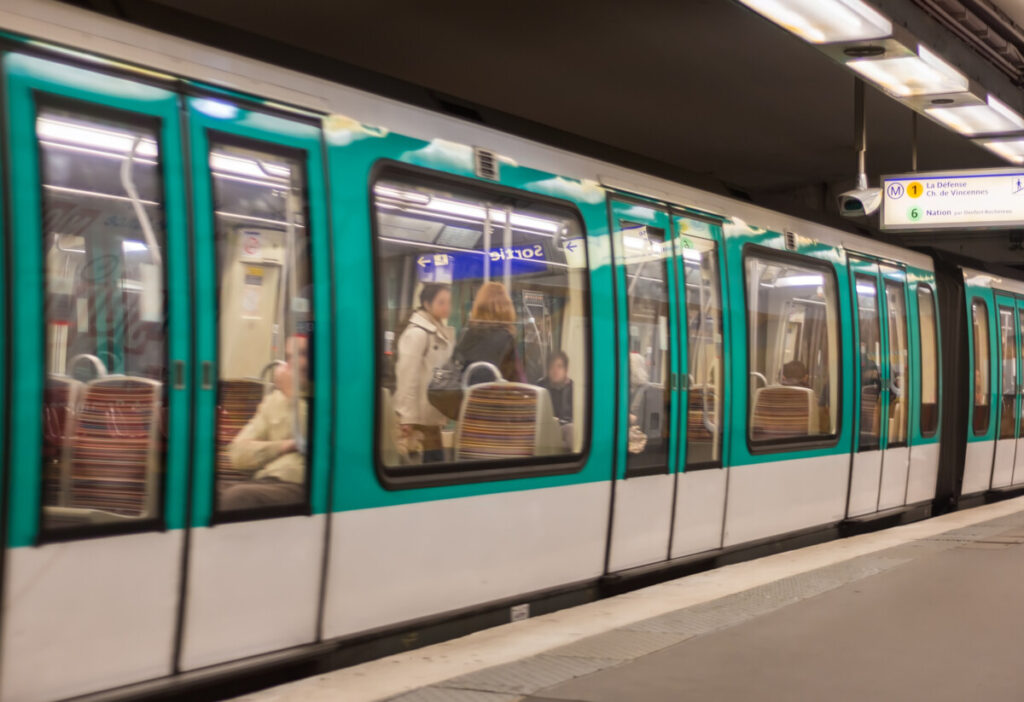
Rush hour in the Paris Metro? Utter chaos. Between 8 and 10 AM, trains are packed tighter than a suitcase before vacation. Your stroller turns into an obstacle, and you’ll get plenty of side-eye, even if no one says a word.
Aim for museum trips and park visits between 11 AM and 4 PM. Trains are half-empty, seats are easy to find, and station staff actually have time to help. It’s a world away from the morning madness.
Weekends are better, though Saturday afternoons get crowded with shoppers. Sunday mornings? Blissfully calm—ideal for getting around Paris with your family.
Traveling after 10 PM means some elevators shut down for maintenance. Tired kids plus dark, unfamiliar stations is not a great combination, so stick to daylight hours if you can.
Best Paris Metro Lines and RER Routes for Strollers
Not all metro lines are equal when you’re pushing a stroller in Paris. Some lines will save your back and your mood, while others feel like an obstacle course built by someone who hates parents.
Advantages of Line 14 and Modern Lines

Line 14 is the gold standard for navigating the Paris Metro with young kids and strollers. Every station has elevators that work most of the time, a genuine relief with a double stroller compared to the older lines.
The automated trains mean wider platforms and barely any gap between the train and the edge. No wrestling your stroller over a chasm. The stations are bright, modern, and don’t feel like a medieval dungeon.
Line 14 connects major spots like Gare de Lyon and Saint-Lazare. It runs north to south through the heart of Paris, so you cover a lot of ground. Trains come often, so you’re not stuck waiting with a cranky toddler.
Even so, elevators can break down on Line 14. Always have a backup plan before you descend into any station.
Family-Friendly Stops on Line 1, 4, and 11

Line 1 runs east to west and hits tourist must-sees like the Louvre and Champs-Élysées. Many stations have elevators now, but not all. The platform doors on the automated trains are a huge plus for safety with kids.
Concorde and Tuileries on Line 1 both have elevators. These stops put you right near the gardens—perfect for letting kids run wild after being cooped up on the train.
Line 4’s southern end has seen upgrades. Montparnasse-Bienvenüe now has elevators, which is a game changer since it’s a major transfer spot. The northern sections are still pretty old-school, so check ahead.
Line 11 is short but handy for Belleville and the Marais. The new stations have lifts, and Mairie des Lilas at the end is fully accessible if you’re staying out that way.
Using RER Lines A, B, and C with a Stroller
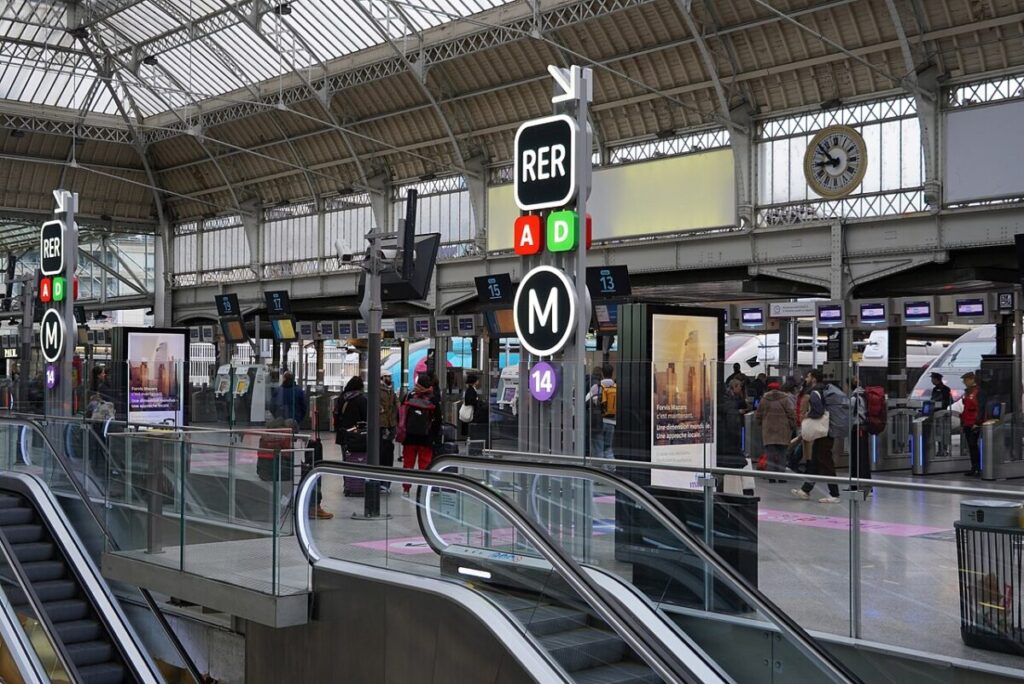
RER A is the go-to for Disneyland Paris or La Défense. Most big stations have elevators since they’re newer. Châtelet-Les Halles can be a maze with a stroller, but it does have lifts—if you can find them.
RER B links both airports to the city center. Coming from Charles de Gaulle? Most RER B platforms have elevator access. The trains have wide doors and space for both luggage and strollers. Heads up: RER B serves Orly Airport via the Orlyval at Antony station.
RER C hugs the Seine and stops near the Eiffel Tower at Champ de Mars. It’s scenic, but some stations are tiny and cramped. Musée d’Orsay has an elevator, which is a lifesaver if you’re visiting with kids.
RER trains are bigger and have more floor space than the Metro. You can park your stroller without blocking everyone, which other passengers definitely appreciate.
Stations to Avoid with Strollers

Let’s not sugarcoat it—Line 6 is beautiful but a nightmare with a stroller. The elevated sections give you killer Eiffel Tower views, but stations like Bir-Hakeim mean hauling your stroller up endless stairs. Not fun.
Châtelet and Châtelet-Les Halles are transfer monsters, elevators or not. The underground walks are epic, and you’ll trek through corridor after corridor. If you must transfer here, give yourself way more time than you think you’ll need.
Abbesses in Montmartre has the deepest stairs anywhere in Paris. There’s an elevator, but it’s tiny and often out of order. Just take a taxi or bus up the hill to Montmartre—seriously, save yourself the pain.
The oldest stations on Lines 2, 3, 5, and 7 usually don’t have elevators. These lines have been around forever, and accessibility upgrades crawl along. Always check your exact station before making plans.
République, Bastille, and Nation are giant transfer stations that can get confusing. Some elevators exist, but you’ll still end up walking forever underground, bouncing your stroller over every bump.
See Related: Paris Tips: Essential Travel Guide for a Perfect Trip
How to Use Metro Tickets, Passes, and Travel Cards with Kids

Sorting out tickets for your family saves both money and headaches at the turnstiles. Kids under 4 ride free, and children aged 4-9 get half-price fares on most options. What works best depends on how long you’re staying and how much you plan to ride.
Ticket Options for Families

In 2026, single Metro/RER tickets are €2.55 for adults and a reduced €1.30 for children aged 4-9 within Paris. Bus and tram tickets are €2.05. Since 2025 the Metro and bus fares are separate, so a single ticket no longer transfers between them. Children under 4 ride free.
If you’re just in Paris for a day or two, individual tickets make sense. But juggling paper tickets with a stroller and kids gets old fast. Going digital with the IDF Mobilités app is easier: you can store tickets on your phone and stop worrying about losing them.
Staying longer? The Navigo Jour day pass gives unlimited travel for €12 per adult on all public transport in Paris (except airports). No child discount on this one, so you’ll have to decide if unlimited rides beat buying individual half-price tickets for your kids, based on your plans.
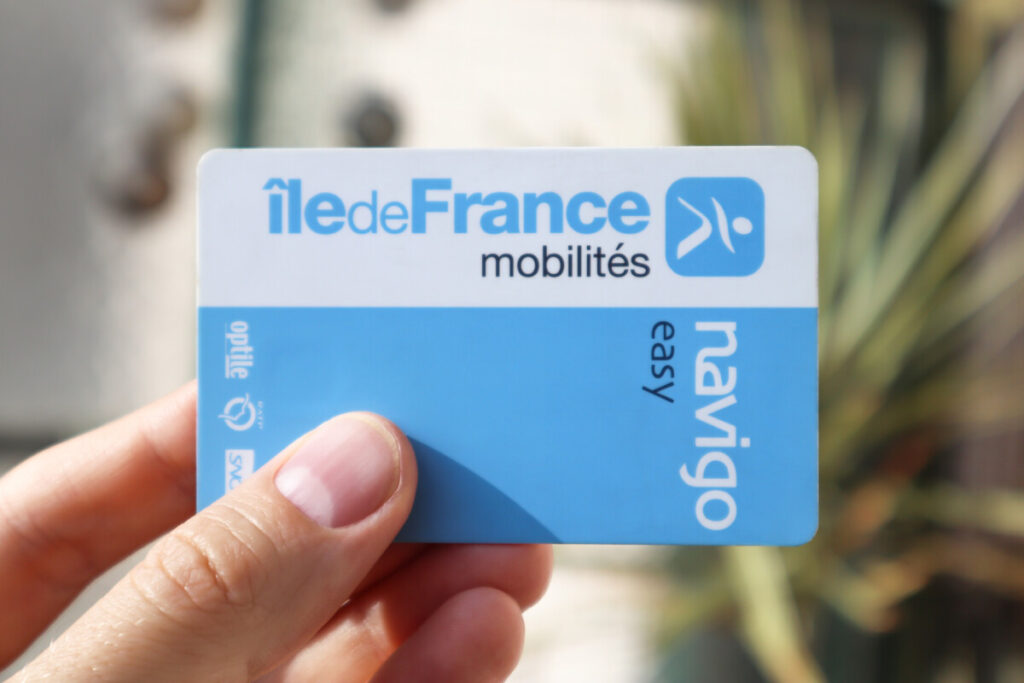
The Navigo Easy card is a lifesaver for tourists with kids. You grab the reusable card for €2, then load it with tickets at vending machines or through the IDF Mobilités app.
Each person in your family needs their own card, which is a bit of a hassle, but you can top up tickets via the app whenever you run low. Super handy when you’re running to catch a train and realize you forgot to buy more tickets.
The Navigo Semaine weekly pass costs €31.60 and covers unlimited travel Monday through Sunday, all zones. To get it, you first need a Navigo Découverte card, which costs €5 and requires a passport photo.
Kids aged 4-9 can’t use the Navigo Semaine at a discounted rate, which feels like a miss. You’ll still have to buy half-price individual tickets for them.
If you’re sticking around Paris for a few weeks or longer, the standard Navigo pass with monthly (€89) or annual (€977) options covers everything. Realistically, these passes are aimed at locals, not vacationing families.
Paris Visite Pass and Tourist Options

The Paris Visite pass gives you unlimited travel plus attraction discounts, which sounds tempting at first. But a 1-day pass costs €29.90 for adults and €14.95 for kids aged 4-9, and that’s a tough pill to swallow if you’re not squeezing every euro out of it.
This pass only really makes sense if you’re bouncing around the city all day and plan to use those attraction discounts. A 5-day pass runs €76.25 for adults and €38.10 for kids—so unless you’re constantly on the go, it probably won’t save you money.
Most families save more with the Navigo Jour day pass or by loading single tickets onto a Navigo Easy card. The Paris Visite pass shines if your crew wants to hit Disneyland Paris or Versailles since it covers those far-out zones.
Tips for Validating and Using Tickets

Don’t expect to tap your credit card at Paris metro turnstiles like you can in London. You need a paper ticket, a digital ticket on your phone, or a loaded Navigo card—no exceptions.
When you’re going through turnstiles with kids, validate your child’s ticket first and send them through before using your own. Fare gates have sensors, and if two people try to sneak through on one fare, you’ll get stopped in your tracks.
For strollers, look for the wide gate at every station—there’s usually a button you can press for help, or someone at the ticket desk can buzz you through. Please don’t try to shove a buggy through the regular turnstiles. It never ends well.
Keep your tickets or phone handy until you’ve fully exited the metro system. Inspectors pop up for random checks, and the fines are steep (€50 on the spot or even more if you try to argue). They don’t care if you’re a tourist or if you “didn’t know.”
Step-by-Step Guide: Entering, Boarding, and Exiting with a Stroller

Getting through Paris metro stations with a stroller? You’ll need to know which gates to use and how to position yourself once you’re on the train. It’s a bit of a dance, especially during rush hour.
Be ready to fold your stroller if things get crowded. Sometimes there’s just no other way.
Accessing Wide Gates and Requesting Assistance

Most Paris metro stations have wide gates meant for strollers, wheelchairs, or big suitcases. Look for the wheelchair symbol—these gates usually sit at the end of the ticket barrier line.
These gates don’t always open on their own. You’ll press the green button or tap your Navigo pass, just like at the regular turnstiles. Occasionally, the gate jams, and that’s when you flag down the station agent in the glass booth.
Finding help in the station:
- Station agents hang out in glass booths near the entrance
- They can unlock the wide gate for you remotely
- Some stations have intercom buttons right at the gate
But here’s the catch—not every station has a staffed booth anymore. The new automated stations only have emergency intercoms. If you’re stuck and the gate won’t budge, hit the red emergency button and let them know you need help with the accessible gate.
The older stations (Lines 1-11) weren’t exactly designed for accessibility. You might show up at a station with nothing but stairs and no elevator in sight. Check your route ahead of time—stations like Abbesses have over 100 steps, and that’s no joke with a stroller.
Boarding Safely and Positioning Your Stroller

The gap between the platform and train can be wider than you’d expect on some lines. Lift the front wheels first, then pull the back wheels across quickly before the doors snap shut.
Stand in the middle of the platform where the center train cars stop. These cars are usually less crowded than the ones at the ends. Watch for the yellow line on the platform edge—stay behind it until the train stops completely.
Best positioning inside the train:
- Stick near the doors in the space marked for strollers
- Keep your stroller parallel to the train wall
- Lock the brakes right away
- Hang onto the handlebar with one hand
Never try to board or exit when you hear the warning beep. Those doors close fast, and they will absolutely catch a stroller.
The newer trains on Line 14 offer level boarding, which makes life so much easier. Lines 1 and 4 have modern trains with more space near the doors. But if you’re on lines like 12 or 13? They’re cramped, and you’ll have to get creative with your timing and positioning.
Handling Crowds and Folding Your Stroller as Needed

Rush hour in Paris runs from 8:00-9:30 AM and 5:30-7:30 PM. During these windows, folding your stroller and carrying your kid is just the way to go. Trains get so packed, there’s barely room to breathe, let alone maneuver a stroller.
When to fold your stroller:
- Morning and evening rush hours
- On crowded lines (1, 4, 13, 14)
- When people can’t get past you
- If the train is just too full to board safely
Some Parisians will shoot you dirty looks if you’re blocking the aisle with your stroller. Don’t take it personally—just fold it if space is tight. Practice folding your stroller quickly before your trip so you’re not fumbling when the train is packed.
Wearing your baby in a carrier during peak hours makes everything easier. You’ll move through crowds faster and won’t have to worry about stroller wheels getting stomped on. Plus, both hands free—always a win when the train lurches.
See Related: How to Get Around Paris: Effortless Navigation Tips
Top Family Destinations Easily Reached by Metro

Paris has dozens of fantastic spots for families, and many connect directly to metro lines with decent stroller access. The trick is knowing which stations have elevators and which attractions are worth the hassle of stairs.
Disneyland Paris: The Direct RER A Route

Getting to Disneyland Paris is refreshingly simple—just hop on the RER A line straight to Marne-la-Vallée station. The train runs often and takes about 40 minutes from central Paris.
It feels longer with little ones, so pack extra snacks and distractions. You don’t want to be caught unprepared on that ride.
Important details for your trip:
- Board at big hubs like Châtelet-Les Halles or Nation
- RER A stations usually have elevators for strollers
- Buy special tickets—regular metro passes don’t cover this zone
- Trains run every 15 minutes during busy times
The Disneyland station was built for families. You’ll spot wide platforms and clear signs pointing you to the park. But beware: morning trains between 8 and 9 AM fill up fast with park employees and excited families.
Reaching the Eiffel Tower, Jardin des Plantes, and More

The Eiffel Tower connects to several metro stops, but Bir-Hakeim on Line 6 gives you that dramatic approach. You cross the Seine on an elevated track—views are incredible.
This station has a ton of stairs, though, so if you’ve got a heavy stroller, Trocadéro might be a better bet. For Jardin des Plantes, take Line 5 to Gare d’Austerlitz or Line 7 to Censier-Daubenton. The gardens have wide gravel paths and a small zoo that kids tend to love.
The Louvre is easy via Line 1 at Palais Royal-Musée du Louvre—elevators included. Arc de Triomphe sits near Charles de Gaulle-Étoile where several lines meet, but Line 1 is the most stroller-friendly.
Day Trips and Excursions with Children

You can reach Versailles using RER C from stations like Saint-Michel or Musée d’Orsay. The palace gardens are huge and genuinely stroller-friendly, unlike most Parisian museums.
Expect about 45 minutes of travel each way, so plan accordingly. La Défense may sound dull, but kids love the futuristic buildings and the Grande Arche. Line 1 takes you there, and it’s fully accessible.
There’s also a giant shopping center for when everyone needs a snack or bathroom break. For a quieter outing, hop on Line 1 to Château de Vincennes and explore Bois de Vincennes. The park has a small castle, lakes with paddle boats, and smooth paths—locals flock here on weekends when the Luxembourg Gardens get overrun.
Neighborhoods and Parks Ideal for Strollers

The Marais (Line 1 to Saint-Paul or Hôtel de Ville) is flat, full of outdoor cafés, and dotted with tiny playgrounds. The window shopping alone keeps kids entertained for ages.
Montmartre is a different beast. Line 2 to Anvers gets you close, but the hills are no joke. If your kids can walk or you have a carrier, it’s worth the climb for the charm.
Parc des Buttes-Chaumont via Line 7bis to Buttes Chaumont is one of Paris’s most gorgeous green spaces. The paths twist around cliffs and a small lake. Some areas get steep, but there’s plenty of flat ground near the main entrance.
Canal Saint-Martin (Line 5 to Jacques Bonsergent) gives you totally flat walking along the water. Local families picnic here year-round, and the vibe feels more Parisian than touristy.
Local Tips for a Smooth and Stress-Free Metro Journey
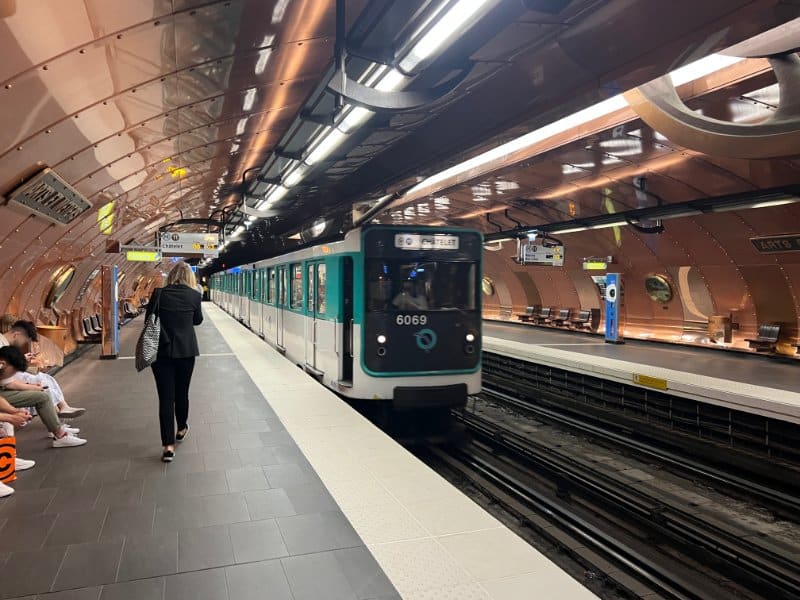
Getting around Paris with kids means knowing which shortcuts help you move through stations faster—and when it’s just easier to skip the metro entirely if stairs start piling up.
Using Apps and Metro Maps for Real-Time Accessibility

The RATP app is a real lifesaver when you’re navigating Paris with kids. It shows live train arrivals, station elevators, and accessibility features you’ll need for your stroller.
Download it before you land, since you don’t want to be hunting for WiFi underground with a cranky toddler. The app highlights which stations have elevators and flags any closures or maintenance right as they happen.
You can save favorite routes and get notifications if something changes on your line. Google Maps is decent, but it misses elevator outages sometimes.
Abbesses is a notorious example: its lift can be out of service, leaving a very long spiral staircase, so it’s worth avoiding with a heavy stroller. Paper maps are still free at ticket counters, by the way.
Grab one and circle stations with the wheelchair symbol—those have elevators or ramps. The blue wheelchair icon means full accessibility, which makes life so much easier when you’re juggling a stroller and a diaper bag.
Check your route the night before if you can. Morning rush on Line 1 with a stroller? It’s like trying to board a plane that’s already full.
Packing and Stroller Choice for Paris
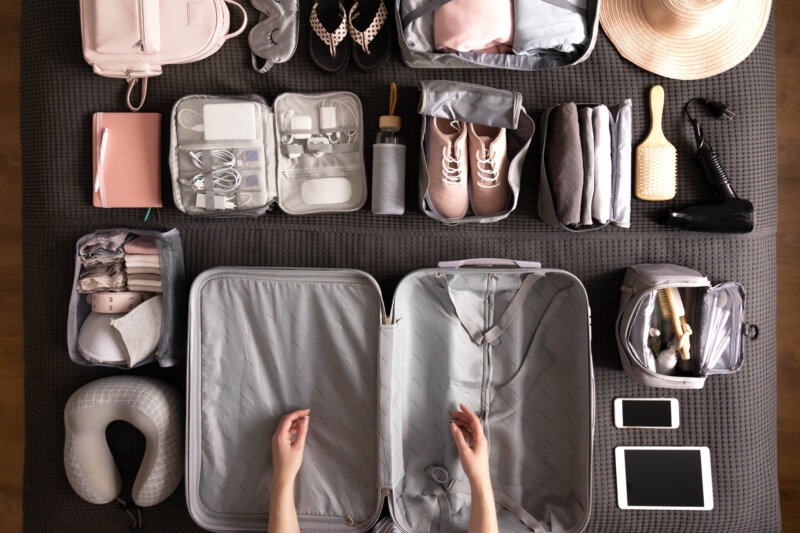
Lightweight umbrella strollers slip through metro turnstiles far more easily than bulky joggers. Full-size strollers are a struggle to wrestle through those gates, and the line behind tends to grow impatient.
Your stroller should fold with one hand, because you’ll probably be holding tickets, bags, and a squirming toddler. Compact models under 15 pounds are ideal—anything heavier turns into dead weight after a few transfers.
Pack light. A crossbody bag beats a backpack, since you can swing it forward when crowds press in.
Keep snacks, wipes, and a change of clothes within reach. Store metro tickets in your phone or a phone case, so you’re not frantically digging at the turnstile.
For short trips, skip the stroller if your kid can walk or ride in a carrier. Some of the most charming neighborhoods have stations with zero elevators.
A soft-structured carrier lets you tackle stairs without breaking a sweat, and you’ll see Parisian parents doing the same. Bring lightweight travel gear made for cities—collapsible strollers and compact carriers make Paris public transport way less stressful.
Alternatives: Buses, Taxis, and Walking Routes

Buses beat the metro hands down when you’re tired of stairs. Every Paris bus has a ramp, and drivers actually help you board with strollers.
Line 69 runs past the Eiffel Tower, Louvre, and Marais—perfect for sightseeing without underground transfers. Bus stops show route maps and real-time arrivals, which is surprisingly handy.
Your metro ticket works on buses too, so you’re not paying extra. Plus, your kids get to see the city instead of just tunnel walls.
Taxis with car seats are hit-or-miss, so many families use Uber instead. Request a bigger car if you need trunk space for a stroller.
It costs more than the metro, but after a long day at the parks, it’s worth every euro. Walking actually beats transport for a lot of short distances.
The distance from Notre-Dame to the Louvre looks intimidating on a map, but it’s a 15-minute stroll. Stroller wheels can handle Paris cobblestones better than you’d think.
You’ll spot playgrounds and cafés the metro would skip. The Seine riverside paths are flat and stroller-friendly, and the booksellers’ stalls and street performers there are a hit with kids.
See Related: The Most Instagrammable Streets in Paris: Hidden Photo Ops You Won’t Find in Guidebooks
Frequently Asked Questions

Parents heading to Paris usually worry about metro accessibility and practical solutions. Line 14 is fully accessible, but most historic stations still make you carry strollers up stairs.
The best move is to pick accessible metro lines like Line 14 and dodge rush hours between 8 and 10 AM. Always download the RATP app before your trip—it shows real-time elevator status at each station.
Look for accessibility symbols near station entrances. The blue signs point you toward elevators and wide service gates for strollers and wheelchairs.
Travel in the middle of the day, between 11 AM and 4 PM. There’s more space for your stroller, and people aren’t rushing to work.
Station staff usually have more time to help during these hours. Stand at the marked floor areas on platforms where train doors open—makes boarding with a stroller way less stressful.
Let passengers exit before you try to get on with your stroller. It’s just easier for everyone.
Are there any restrictions for using double strollers on the Paris metro?
No official bans on double strollers, but they’re tough to manage underground. Most metro turnstiles are narrow and double strollers won’t fit through standard gates.
You’ll have to use the service gate at each station, which means pressing the call button and waiting for an agent to open it manually. That can really slow you down.
Train aisles get cramped, especially during busy times. A double stroller takes up a lot of space, and you’ll get a few side-eyes from commuters if it blocks the walkway.
The newer buses offer better options with spots for two open strollers. If you must bring a double stroller, buses are just easier—low floors and middle doors make boarding simple.
How do I manage metro stairs and escalators when I have a stroller?
Sometimes, you just have to carry your stroller at older stations without elevators. Pick a lightweight umbrella stroller under 15 pounds so you can lift it one-handed.
Never try to roll a stroller onto an escalator. The wheels can catch in the grooves and create a real hazard.
Fold the stroller completely before stepping onto any escalator. If you hit a long staircase, ask for help—most Parisians will lend a hand if they see you struggling, though during rush hour everyone’s in a hurry.
Some parents say baby carriers work better than strollers for stations with lots of stairs. You keep both hands free for bags and railings, and your child stays snug against your chest.
Châtelet-Les Halles station is infamous for endless corridors and stairs. Avoid transferring there if you can and plan routes with simpler connections.
What should I know about stroller accessibility at popular Paris tourist attractions such as the Eiffel Tower?
The Eiffel Tower requires you to fold your stroller before security. Guards won’t let you roll an open stroller through the metal detectors or bag scanners.
You can bring a folded stroller up the elevators to the viewing platforms. But a baby carrier makes more sense here since the observation decks are narrow.
Many attractions have designated stroller parking areas outside, where you’ll leave your stroller unattended. The Louvre allows strollers in most galleries, but they must be under 55cm wide.
Large jogging strollers and double-wides aren’t allowed at all. They do offer free stroller check service at the coat room if yours is too big.
Notre-Dame Cathedral and Sacré-Cœur Basilica both have a lot of stairs at their entrances. You’ll need to carry your stroller up since there’s no elevator access.
Versailles Palace is better with ramps at main entrances. But some rooms and the Hall of Mirrors get so crowded that strollers become more hassle than help.
Where are the best places to rent or purchase a stroller in Paris?
Bébé9 stores all over Paris sell lightweight strollers that start at about 50 euros. You’ll find them near busy shopping spots like Les Halles, so if you need a simple umbrella stroller in a hurry, it’s an easy stop.
Decathlon, the big sporting goods chain, has some surprisingly good travel strollers for the price. Their shops in the 13th arrondissement and near Porte de Versailles both stock compact, foldable models that actually fit on the metro.
Some hotels in Paris will lend you a stroller for free if you ask at the front desk before your stay. This can be a lifesaver if you don’t want to haul your own stroller through airports.
Baby’Tems offers a rental service that brings strollers right to your hotel or apartment. Their weekly rates run about 35-50 euros, depending on which model you choose. For a short trip, renting just makes sense.
Even some Paris pharmacies, like Pharmacie Monge in the 5th, keep a few basic umbrella strollers in stock. They’re nothing fancy, but if you just need something cheap to get you around, they’ll do the trick.
Last updated July 2026: refreshed 2026 ticket prices (single Metro/RER €2.55, bus/tram €2.05, children 4-9 €1.30, under-4s free), added an accessible-lines table, and noted that Metro and bus fares are now separate. Source: Île-de-France Mobilités 2026 fares.
Find Things to Do in Paris
Find Accommodation

Continue Planning Your Paris Trip
How to Plan a Trip to Paris for Your Anniversary: Unforgettable Romantic Itinerary and Expert Tips
Plan a Paris anniversary trip worth remembering: the most romantic neighborhoods to stay in, dinners to book months…
Read Guide →Paris Fashion Week Travel Guide: Ultimate Insider Tips and Hotspots
You don't need a runway seat to experience Paris Fashion Week. Catch street style, designer boutiques, pop-up installations,…
Read Guide →
Travel Agencies in Paris: 10 Current Agencies and Tour Operators for 2026
Planning a Paris trip and want local expertise? Ten travel agencies for 2026, from boutique luxury specialists to…
Read Guide →