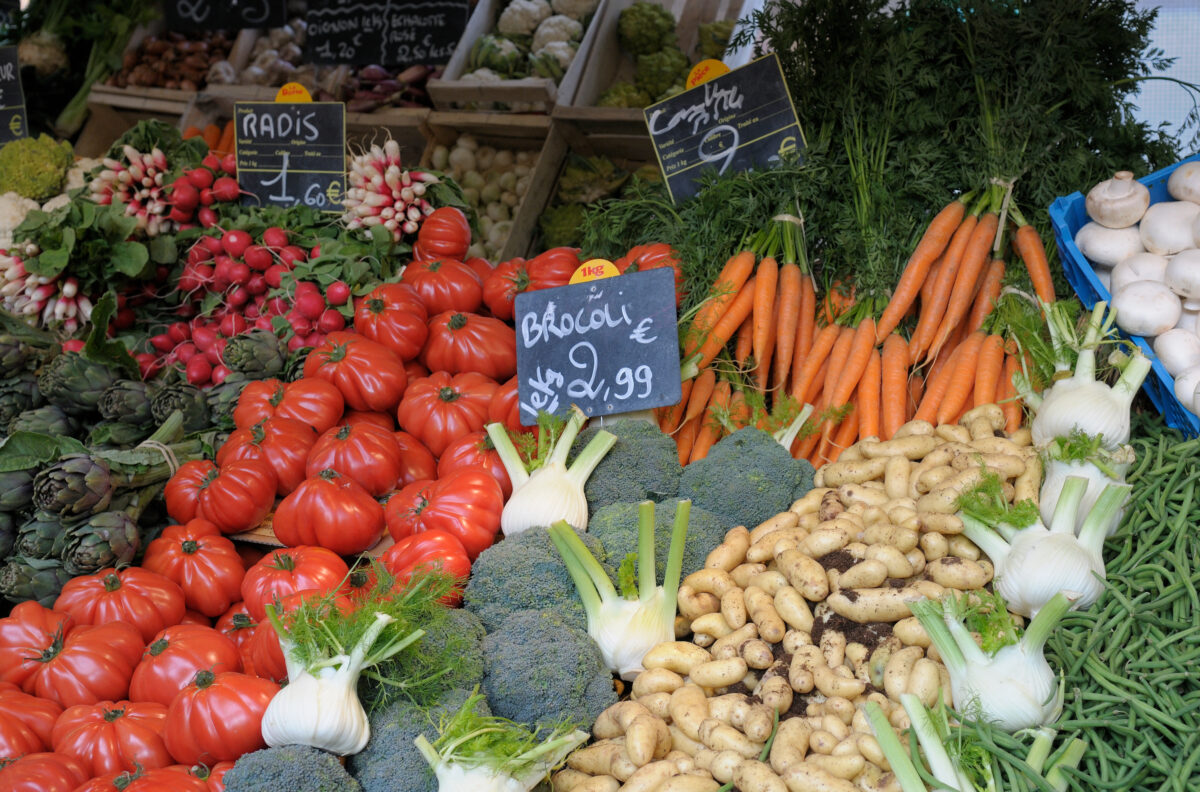
A realistic food budget for Paris in 2026 is €35–€50 per adult per day at the low end, €65–€100 for a balanced mix of bakeries and restaurants, and €110–€180 for restaurant-focused days with drinks. A day built around a gastronomic dinner can reach €150–€300 or more.
The biggest budget drivers are the type of venue, the neighborhood, table service, alcohol, and ordering à la carte instead of choosing a fixed-price menu. The ranges below were last checked in July 2026 against Paris tourist office guidance, French consumer rules, and current restaurant menus. They are planning estimates rather than an official citywide average, and individual prices can change.
How Much Should You Budget for Food in Paris?
For most visitors, €75–€90 per adult per day is a practical starting point. That covers a bakery or café breakfast, a good-value lunch, a casual restaurant dinner, and one or two paid drinks. Travelers willing to use supermarkets, bakeries, street food, and free tap water can spend less. Travelers planning cocktails, wine, landmark cafés, or tasting menus should allow more.
Dining style | What the day might include | Estimated daily cost per adult |
|---|---|---|
Low-cost | Takeaway breakfast, street food or picnic lunch, bouillon or canteen dinner, no alcohol | €35–€50 |
Balanced | Bakery or café breakfast, lunch formule, bistro or brasserie dinner, one or two drinks | €65–€100 |
Restaurant-focused | Seated breakfast, full lunch, higher-quality dinner, wine or cocktails | €110–€180 |
Fine-dining day | Simple breakfast and lunch, gastronomic dinner, wine or cocktails | €150–€300+ |
Food is only one part of the total. Use our complete Paris trip budget to estimate accommodation, transport, attractions, and meals together.
Current Paris Food Prices at a Glance
The official Paris tourist office currently gives approximate per-person budgets of €10–€18 for street food or a canteen, €20–€35 for a bistro, €25–€45 for a brasserie, and €80–€200 or more for a gastronomic restaurant. A fixed-price bistro lunch around €17–€20 can be one of the better restaurant values in the city.
Food or drink | Current price benchmark | Context |
|---|---|---|
Street food or canteen meal | €10–€18 | Quick-service meal; drinks may cost extra |
Bistro meal | €20–€35 | Often one main course or a compact set menu |
Brasserie meal | €25–€45 | Classic table-service dining; extras raise the bill |
Fixed-price bistro lunch | About €17–€20 | Usually better value than dinner |
Main course at a budget bouillon | About €7–€14 | Bouillon Chartier’s current menu range |
Espresso at a famous Saint-Germain café | About €5–€5.50 | Brasserie Lipp and Café de Flore examples |
Beer at a classic brasserie or landmark café | About €7–€11.50 | Serving sizes vary, so compare volume as well as price |
Cocktail at a classic or landmark café | About €14–€22 | Premium locations and signature drinks cost more |
Gastronomic restaurant | €80–€200+ | Wine pairings and premium menus can increase the total substantially |
Four Realistic One-Day Food Budgets
€35–€50: A Careful Bakery-and-Bouillon Day
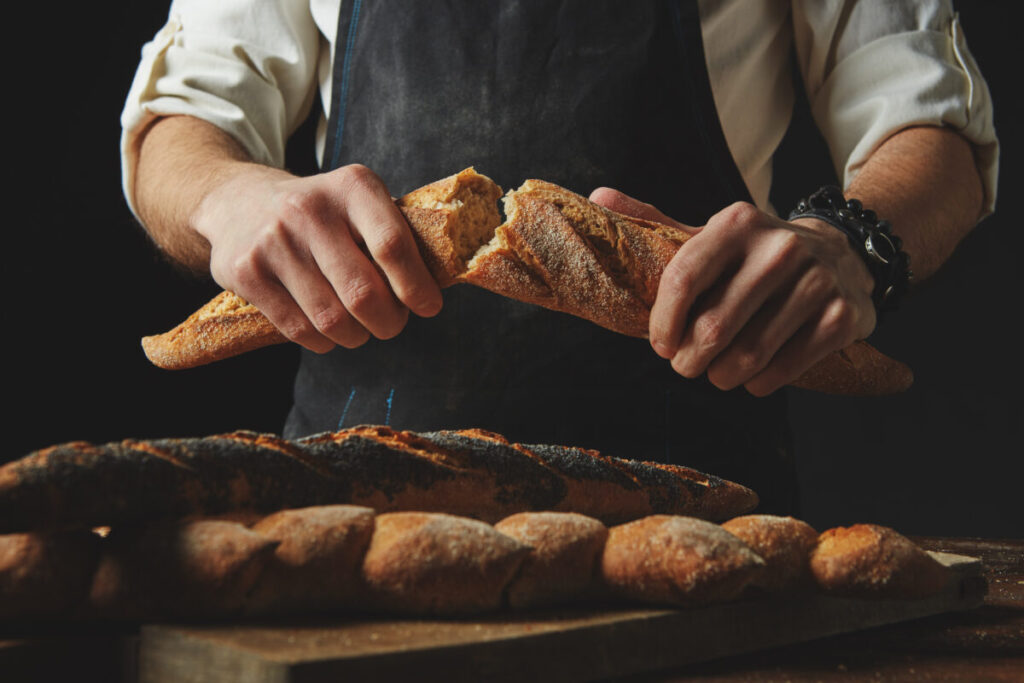
- Breakfast: pastry and a simple drink, €5–€8
- Lunch: baguette sandwich, crêpe, falafel, or supermarket picnic, €10–€15
- Dinner: canteen, bouillon, or inexpensive set meal, €15–€22
- Snack or extra drink: about €5
This budget works best with takeaway food, free tap water at restaurants, and little or no alcohol. €30 a day is possible on some days, but it leaves almost no margin for a seated meal, dessert, or an unexpected price increase.
€65–€100: A Balanced Day for Most Visitors
- Breakfast: €8–€14
- Lunch formule or casual restaurant: €17–€30
- Bistro or brasserie dinner: €30–€45
- Drinks and snacks: €10–€15
This range gives you room to eat well without treating every meal as a splurge. It is the most useful baseline for first-time visitors who expect to dine out twice a day.
€110–€180: A Restaurant-Focused Day
- Seated café breakfast: €12–€20
- Full lunch or polished brasserie meal: €25–€45
- Dinner with two or three courses: €50–€85
- Wine, cocktails, coffee, and snacks: €20–€30
Choose this range when restaurants are a major part of the trip and you do not want to calculate every drink or extra course.
€150–€300+: A Fine-Dining Day
A gastronomic meal can cost €80–€200 or more before premium wine. Add a simple breakfast, lunch, coffee, and drinks, and the day’s total can move past €150 quickly. Tasting menus, wine pairings, hotel restaurants, Eiffel Tower views, and special-event menus can take the total well beyond €300.
Breakfast Prices in Paris
A takeaway breakfast from a neighborhood bakery is usually the least expensive option. A seated breakfast at a famous café costs more because you are paying for table service, location, and time at the table.
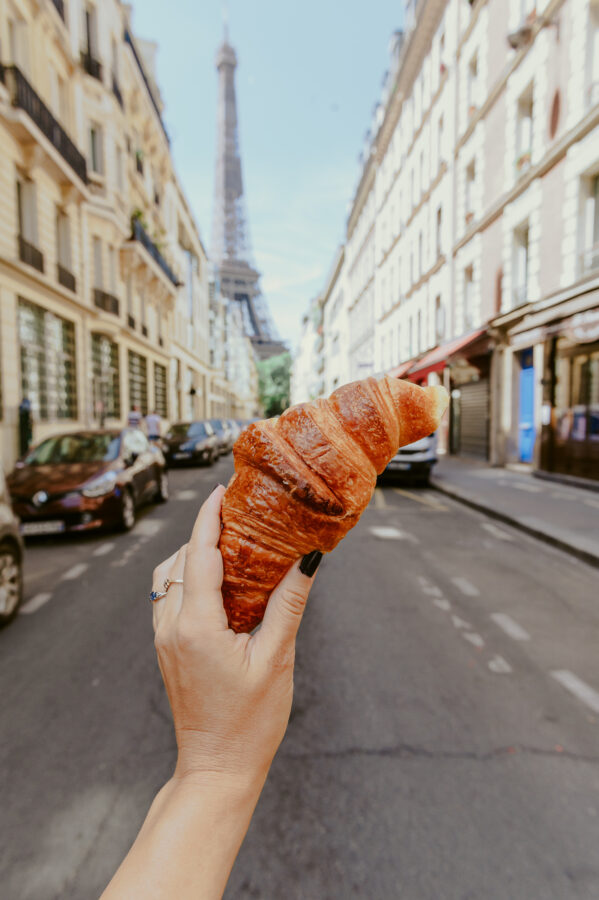
Use these planning ranges:
- Simple takeaway pastry and drink: €5–€8
- Seated café breakfast: €10–€18
- Breakfast with eggs, juice, or a premium location: €18–€30+
The contrast between a bakery counter and a famous café is substantial. On its May 2026 menu, Café de Flore lists a croissant at €4, espresso at €5.50, coffee with milk at €7, and cappuccino at €9.50. Those are premium Saint-Germain prices, not a citywide norm.
For etiquette and ordering tips, see how to eat a croissant in Paris.
Lunch Prices: Usually the Best Restaurant Value
Lunch is the easiest time to try a better restaurant without paying full dinner prices. The Paris tourist office highlights fixed-price bistro lunches around €17–€20, and many restaurants offer a formule, menu, or plat du jour.
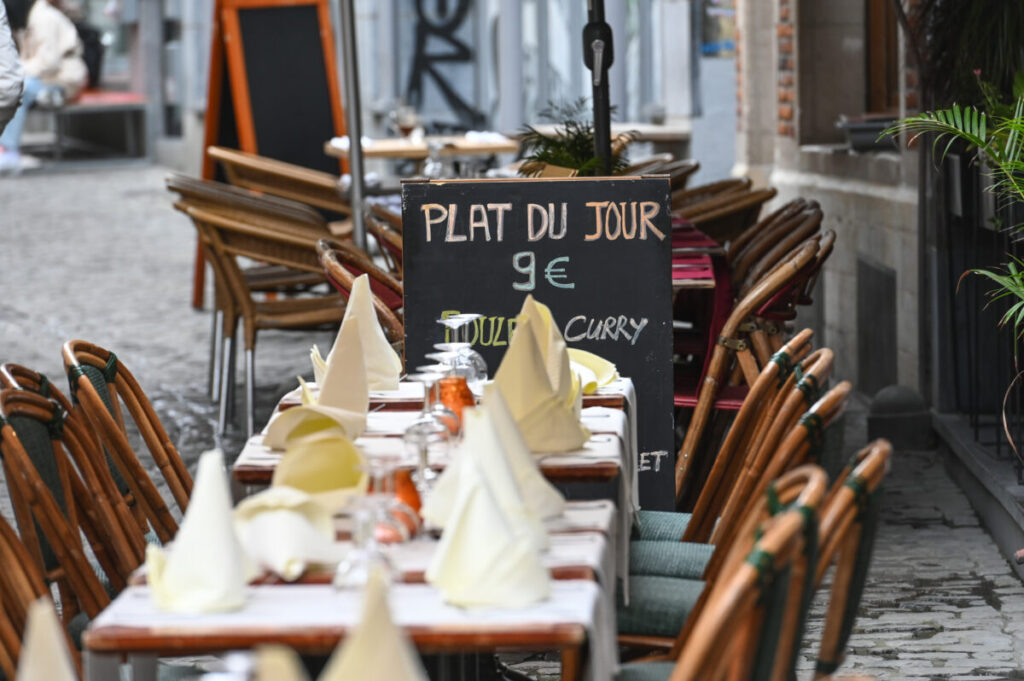
- Formule: a fixed combination, often starter plus main or main plus dessert
- Menu: a fixed-price selection that may include two or three courses
- Plat du jour: the day’s featured main course
- À la carte: each item priced separately
Read the inclusions carefully. Coffee, wine, bottled water, and side dishes may sit outside the advertised price.
For a low-cost reference point, the current Bouillon Chartier menu lists starters from €1 to €7.50, mains from €7 to €13.80, sides from €2 to €4.90, and desserts from about €2 to €4.90. A complete meal below €20 is possible if you order selectively and keep drinks modest.
Our guide to the best affordable restaurants in Paris can help you turn those price ranges into specific dining options.
Dinner Prices in Paris
A casual dinner can stay within €25–€45 per person, especially with a single main course and tap water. A starter, dessert, wine, bottled water, and coffee can double the total.
The live Brasserie Lipp menu illustrates a classic Saint-Germain brasserie bill: many mains are €22–€30, several premium meat or fish dishes cost more, desserts are generally €9–€12.50, and coffee is €5. A main, dessert, and coffee can therefore land around €36–€60 before alcohol.
Gastronomic restaurants generally start around €80 per person and can exceed €200 before wine. Check whether the posted price covers a tasting menu, an à la carte minimum, or only the food. For more targeted ideas, compare the best restaurants in Paris or our guide to steak frites in Paris.
Drinks, Tap Water, Service, and Tipping
Drinks create some of the widest price differences in a Paris food budget. At Brasserie Lipp, a 25cl beer is €7, a 15cl carafe wine starts at €7, and cocktails are €14. Café de Flore lists cocktails from €16.50 to €22, soft drinks at €8.50, and 50cl bottled water at €8.50.
Tap Water Is Free When You Are Dining
French consumer guidance confirms that a customer who is consuming at a restaurant can request a free carafe of tap water. Ask for une carafe d’eau, s’il vous plaît. Mineral water, sparkling water, and branded bottled water are charged.
Service Is Included
In restaurants with table service, displayed prices include taxes and service. You do not need to add a mandatory percentage to the bill. An extra tip is optional and should reflect your satisfaction rather than a fixed obligation.
The French consumer-protection guidance for restaurants also requires menus and prices to be displayed inside and outside the establishment. Check the posted menu before sitting down, especially near major attractions.
How to Eat Well in Paris for Less
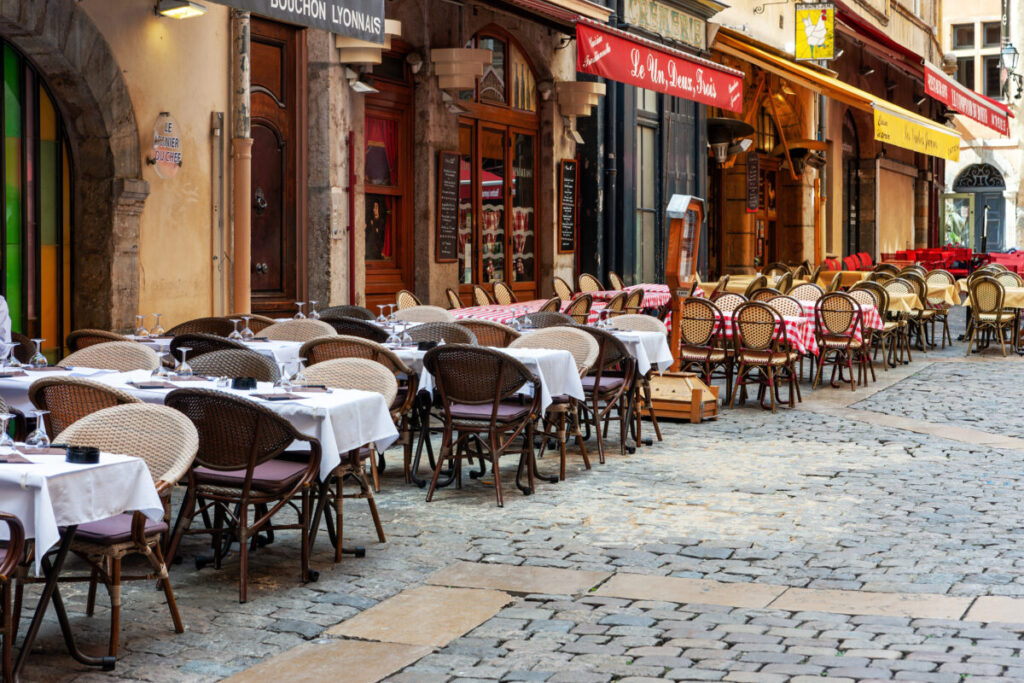
Make Lunch Your Main Restaurant Meal
A €17–€20 lunch menu can deliver the same kitchen quality for less than an evening meal. Save the bakery sandwich or picnic for dinner on days when lunch is the splurge.
Compare the Formule With À La Carte Prices
A fixed menu is useful only when you want the included courses. If you need one main dish, à la carte can still be cheaper. Check whether coffee, dessert, and drinks are included before ordering.
Use Bouillons, Canteens, Bakeries, and Street Food
Bouillons specialize in simple traditional dishes at relatively low prices. Bakeries work well for breakfast and lunch, while crêpes, falafel, kebabs, Asian canteens, and food halls can keep a quick meal near the €10–€18 range.
Build One Picnic or Supermarket Meal Into the Day
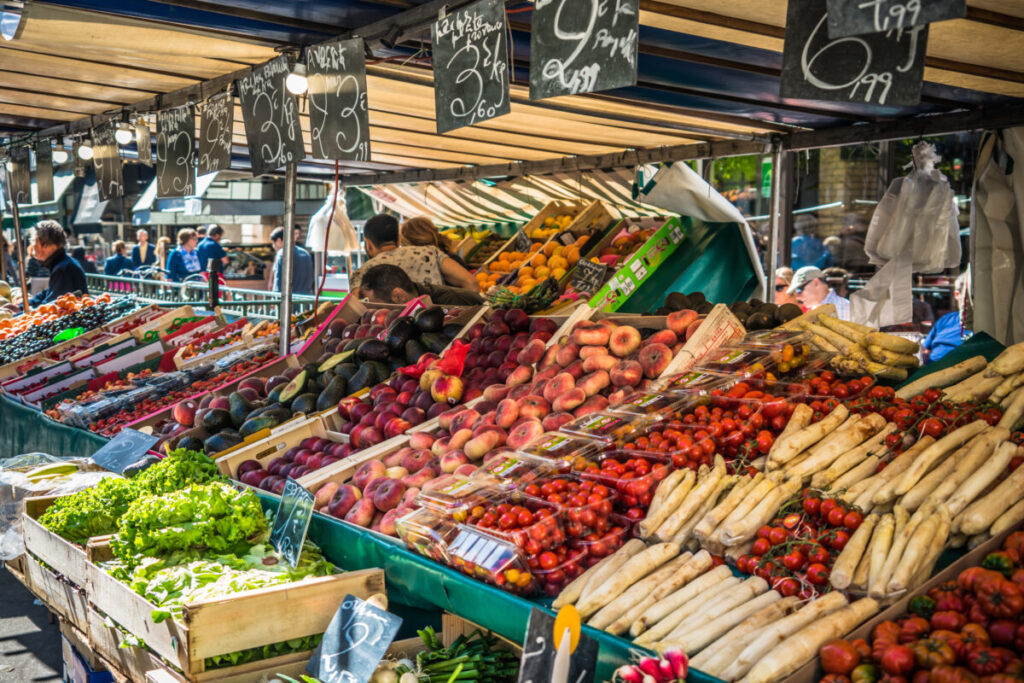
A baguette, cheese, fruit, prepared salad, yogurt, and drinks from a supermarket or market can replace one restaurant meal. This works particularly well when the weather suits a park or riverside lunch. Use our guide to Paris food markets to find better ingredients and a more interesting stop than a generic convenience store.
Order a Carafe of Water and Set an Alcohol Budget
Replacing bottled water with tap water can save several euros at every sit-down meal. One cocktail or two glasses of wine can add €15–€30 or more, so decide in advance which meals deserve the extra spend.
Pay for the View Deliberately
A terrace beside a landmark or a famous literary café may be worth the premium as an experience. Treat it as a planned splurge, then use neighborhood bakeries and fixed-price lunches for the rest of the day.
Why Food Prices Vary So Much Across Paris
- Venue type: canteens and bouillons cost less than brasseries and gastronomic restaurants.
- Location: famous cafés, landmark views, hotel restaurants, and high-demand terraces often charge more.
- Time of day: fixed-price lunch menus frequently undercut dinner.
- Ordering format: a formule can reduce the cost of two or three courses, while à la carte gives more control when you want only one dish.
- Drinks: alcohol, soft drinks, and bottled water can add more than the food-saving tactics remove.
- Ingredients and format: tasting menus, premium seafood, aged beef, caviar, and wine pairings move a meal into a different price category.
Frequently Asked Questions
How much should I budget for food in Paris per day?
For most visitors, €65–€100 per adult per day is a practical 2026 allowance for a bakery or café breakfast, a fixed-price lunch, a casual dinner, and one or two paid drinks. A strict bakery-and-supermarket plan can fit €35–€50, while restaurant-focused days often reach €110–€180.
What is the average price of a meal in Paris?
Current Paris tourist office guidance puts street food or canteen meals at about €10–€18, bistros at €20–€35, brasseries at €25–€45, and gastronomic restaurants at €80–€200 or more per person. Drinks may cost extra.
Can you eat in Paris for €30 a day?
It is possible, but tight in 2026. It generally requires a supermarket or bakery breakfast, street food or a picnic, free tap water, no alcohol, and little or no table service. A €35–€50 daily budget is safer.
Is tap water free in Paris restaurants?
Yes. Customers who are consuming at a restaurant can request a free carafe of tap water. Ask for une carafe d’eau, s’il vous plaît. Bottled mineral or sparkling water is charged.
Is service included in Paris restaurants, and should I tip?
Yes. Displayed prices at table-service restaurants include taxes and service. Tipping is optional, so leave extra only when you want to reward good service.
How much does breakfast cost in Paris?
Budget about €5–€8 for a simple takeaway pastry and drink, €10–€18 for a seated café breakfast, and €18–€30 or more for eggs, juice, or a famous location. Premium cafés can exceed these ranges.
Plan the Splurges, Then Keep the Rest Simple
A food budget works better when it reflects the trip you actually want. Set a baseline of roughly €75–€90 per adult per day, choose the meals or cafés worth paying more for, and offset them with a bakery breakfast, lunch formule, bouillon, or picnic. Before booking the rest of the trip, review our guide to planning a trip to Paris.
A guided tasting can replace a meal while adding local context, but it should be budgeted as both food and an activity. Compare the format, number of tastings, neighborhood, group size, and cancellation terms before booking.

Find Things to Do in Paris
Find Accommodation

Continue Planning Your Paris Trip
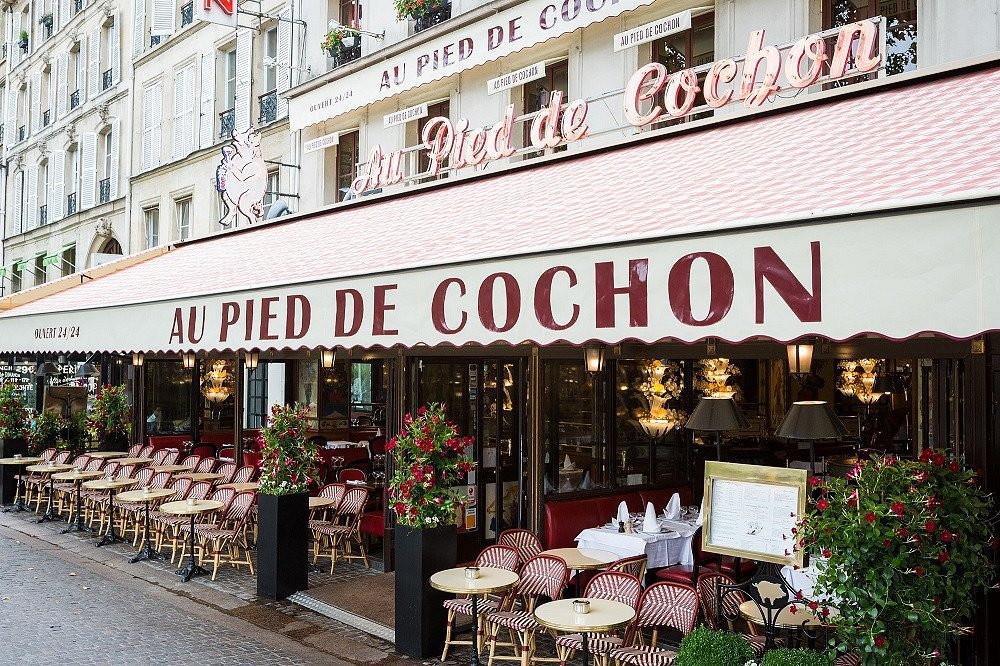
15 Best Places to Eat in Paris: From Budget Street Food to Michelin Star Dining
Fifteen places to eat across Paris, from medieval-lane falafel to a dish served 410 feet up the Eiffel…
Read Guide →
Gigi vs Girafe: The Ultimate Showdown for Food Lovers
Gigi or Girafe for a stylish Paris night? Chic Italian on a lively rooftop versus refined French seafood…
Read Guide →
10 Best Food Trucks in Paris: A Culinary Journey Through the City
Skip the sit-down meal. Ten Paris food trucks serving gourmet burgers, crepes, and global street food when you…
Read Guide →