
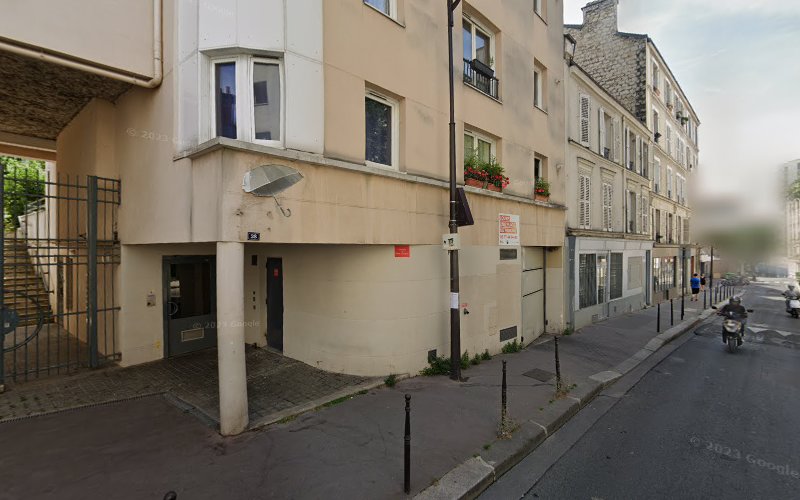
Mairie de Grenelle
Ancienne Mairie De Grenelle is a Paris historic landmark located in the 15 arrondissement. Village autonomy symbol where Grenelle’s municipal independence shaped Parisian expansion At 1 Place du Commerce in the 15th arrondissement, the former Mairie de Grenelle stands as a testament to municipal autonomy that transformed rural plains into thriving urban community before 1860 […]
Ancienne Mairie De Grenelle is a Paris historic landmark located in the 15 arrondissement.
Village autonomy symbol where Grenelle’s municipal independence shaped Parisian expansion
At 1 Place du Commerce in the 15th arrondissement, the former Mairie de Grenelle stands as a testament to municipal autonomy that transformed rural plains into thriving urban community before 1860 annexation to Paris, where this early 19th-century town hall served the independent commune of Grenelle from 1830-1860 through municipal government that demonstrated how suburban villages could achieve administrative independence while developing urban infrastructure worthy of eventual metropolitan integration. This extraordinary building proves how exceptional municipal architecture can document the complex process of Parisian territorial expansion through preserved town halls that served local democratic governance before becoming part of broader metropolitan administration, creating institutional heritage that honors both village autonomy and urban integration within architectural contexts that prove successful municipal buildings can achieve lasting cultural significance through ongoing community service and historical documentation.
Entrepreneur Violet’s vision and planned community development
Municipal acquisition and architectural adaptation
Annexation transition and metropolitan integration
Contemporary heritage and community identity preservation
Essential information
- Location: 1 Place du Commerce, 15th arrondissement
- Construction period: First half of 19th century
- Municipal acquisition: 1842
- Conversion architect: Naissant (interior modifications)
- Commune period: 1830-1860 (independent Grenelle governance)
- Paris annexation: 1860
- Historical protection: Monument historique (PA00125445)
- Urban developer: Entrepreneur Violet (Beaugrenelle creation)
Municipal and historical significance
- Governmental evolution: Village commune to Parisian arrondissement
- Urban planning documentation: Planned community development with institutional architecture
- Democratic heritage: Local autonomy before metropolitan integration
- Architectural adaptation: Private building converted to municipal function
- Community identity: Preserving Grenelle heritage within contemporary Paris
Municipal autonomy creates democratic heritage worthy of metropolitan integration
The former Mairie de Grenelle embodies the extraordinary achievement of village democratic governance that created community institutions worthy of eventual Parisian integration, where 30 years of independent municipal administration from 1830-1860 proved that planned suburban communities could achieve both local governmental excellence and architectural distinction that enabled successful metropolitan annexation while preserving essential community identity and institutional heritage through municipal buildings that served both immediate local governance and broader democratic development documentation. This remarkable town hall demonstrates how exceptional municipal architecture emerges when democratic institutional requirements meet community identity preservation needs, creating governmental buildings that serve both immediate administrative functionality and long-term cultural heritage preservation through architecture that honors both local autonomy heritage and metropolitan coordination requirements worthy of Historical Monument protection and ongoing community cultural appreciation. For municipal architecture enthusiasts, democratic governance admirers, or anyone interested in how suburban village development can achieve lasting urban integration, this Place du Commerce institution offers a fascinating encounter with community institutional excellence, where early 19th-century adaptation and neoclassical design demonstrate the architectural solutions required to create municipal buildings that maintain both democratic service effectiveness and community cultural identity, proving that the finest municipal architecture achieves lasting significance through ongoing community service rather than mere historical preservation, creating spaces where local governance heritage continues inspiring democratic appreciation and community identity development within metropolitan contexts that honor both village autonomy achievement and broader Parisian governmental excellence serving diverse community administrative and cultural needs requiring both practical municipal service and community heritage preservation.