The best areas for alternative fashion in Paris are Le Marais (3rd and 4th), Belleville and Canal Saint-Martin (10th to 20th), and Rue Keller near Bastille in the 11th. Back them up with concept stores like L’Eclaireur, Merci, and The Broken Arm, plus a deep bench of friperies (thrift shops). Expect independent designers, vintage and upcycled pieces, and punk, goth, and streetwear looks rather than the Avenue Montaigne luxury houses. Use the table below to match a neighborhood to the style you are after, then dig into the districts, concept stores, and thrift spots that follow.
Paris might be known for its luxury fashion houses, but you don’t have to step into Chanel or Dior to find style that feels fresh and personal. Wander through the Marais or Saint-Germain, and you’ll spot shops mixing vintage finds, experimental cuts, and sustainable fabrics, all with a flair that’s both edgy and timeless. Alternative fashion in Paris lets you express individuality while staying plugged into the city’s creative pulse.
You’ll stumble upon concept stores like Merci or L’Eclaireur, where fashion merges with design, books, and cozy cafés. These places feel more like community hangouts than just shops. If you care about sustainable choices, Paris thrift shops and eco-friendly boutiques make it easy to look good without the guilt.
What’s exciting is the mix—you can throw on a thrifted leather jacket from Montmartre with something sleek from a new Parisian designer, and somehow it all clicks. The city doesn’t shove you into one look; it encourages you to layer, experiment, and just play. That’s the real magic of Paris alternative fashion—it’s not about chasing trends, it’s about making them your own.
Key Takeaways
- Alternative fashion in Paris blends individuality with timeless style
- Unique boutiques and concept stores shape the city’s creative scene
- Vintage and sustainable options make self-expression accessible
Area (arrondissement) | Vibe | What you’ll find | Anchor spots |
|---|---|---|---|
Le Marais (3rd/4th) | Creative, high-low mix | Concept stores, vintage, indie designers | The Broken Arm, Free’p’Star |
Rue Keller, near Bastille (11th) | Punk and goth heritage | Leather, band tees, subculture shops | Historic alt-fashion street |
Belleville & Canal Saint-Martin (10th/19th/20th) | Urban, low-key | Indie boutiques, upcycled and streetwear | Canal-side independents |
Saint-Germain-des-Prés (6th) | Bohemian, curated | Pay-by-weight vintage, refined secondhand | Kilo Shop |
Pigalle & Montmartre (9th/18th) | Thrift and rock | Kilo shops, retro finds, records | Guerrisol |
What Defines Alternative Fashion in Paris?

Alternative fashion in Paris mixes subcultural style with the city’s long tradition of design innovation. It draws from music, art, and street culture, always shifting in response to what’s happening globally. The result? A blend of individuality, rebellion, and creativity that feels unmistakably Parisian.
Key Elements and Influences

Stroll through Le Marais or the backstreets of Pigalle and you’ll see how alternative fashion thrives on mixing contrasts. Vintage jackets next to futuristic sneakers, thrifted dresses with bold accessories—it’s not about looking perfect, it’s about making it your own.
Many styles borrow from punk, goth, and grunge, but Paris always adds its own flavor. Softer layering of textures, more focus on tailoring, and a love for unlikely pairings. Even a tiny detail, like a handmade earring or a patch on a denim vest, can mean something personal.
Concept stores and secondhand shops are huge here. Paris’s alternative boutiques and well-known friperies offer everything from curated vintage to experimental pieces by local designers. The creative vibe pushes people to mix high fashion with streetwear, so the looks rarely feel stale.
Evolution of Alternative Styles
Paris never really sticks to just one version of alternative style. Back in the 80s and 90s, punk and goth scenes dominated spots like underground music venues. Then the 2000s brought in Japanese streetwear, club culture, and skate influences, all of which changed the meaning of “alternative.”
These days, sustainability is part of the conversation. Shops highlight upcycled fabrics, and young designers play with recycled materials. This connects with movements like Solarpunk and eco-conscious fashion. You can spot this trend in collections inspired by Terra Futura, where nature-inspired design meets practical clothing.
Parisians rarely toss out old styles—they reinvent them. A biker jacket from the ’90s might get embroidered or paired with something totally unexpected. This layering of history keeps the scene fresh and always in motion.
How Paris Sets Global Trends
Paris doesn’t just keep up with alternative fashion—it leads the way. During Paris Fashion Week, pop-up spaces and concept stores showcase underground designers right alongside the big names. These events are like test labs where fresh ideas catch on fast.
Styles like the Bike Era revival or Aesthetic Sea Witch actually popped up in Paris before spreading elsewhere. Galerie Joseph’s trend reports say these movements focus on individuality, mysticism, and rebellion—no wonder they resonate with younger crowds.
What really sets Paris apart is how it mixes fashion with art, music, and even food. You might walk into a concept store and see clothes displayed with vinyl records or indie zines. That cross-pollination helps Paris set the tone for alternative fashion worldwide, without losing its local spark.
Top Alternative Fashion Districts and Neighborhoods
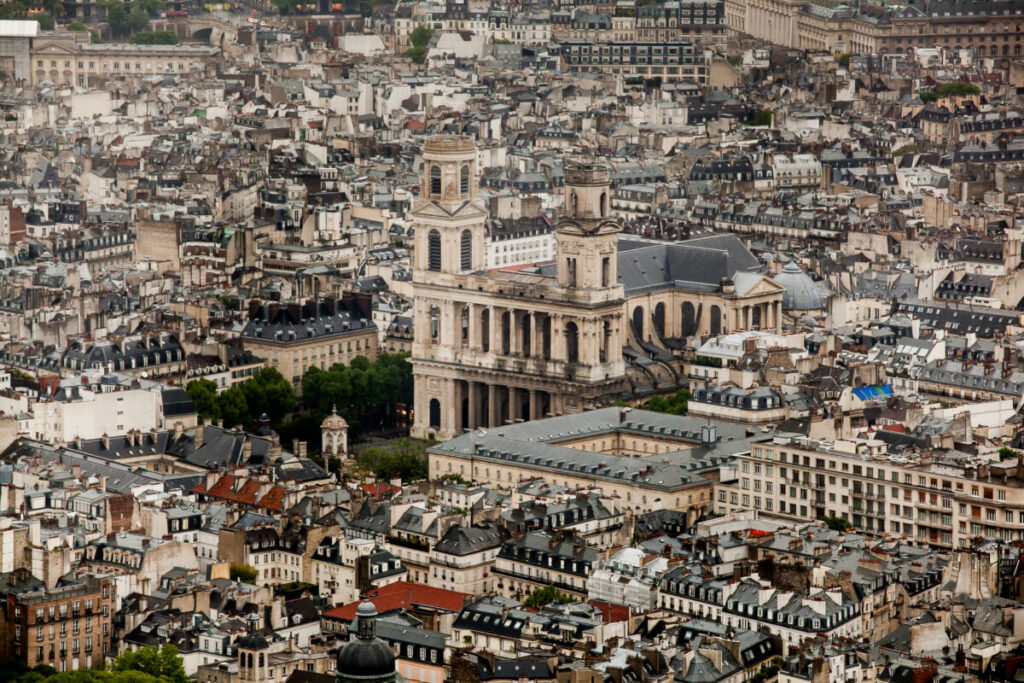
Paris has this knack for reinventing itself through style. Some neighborhoods stick to tradition, while others push boundaries with new ideas, secondhand treasures, and a blend of cultures that shape what you actually see on the street. If you want to catch fashion that feels real and personal, start in these areas.
Le Marais: Hub of Creative Expression
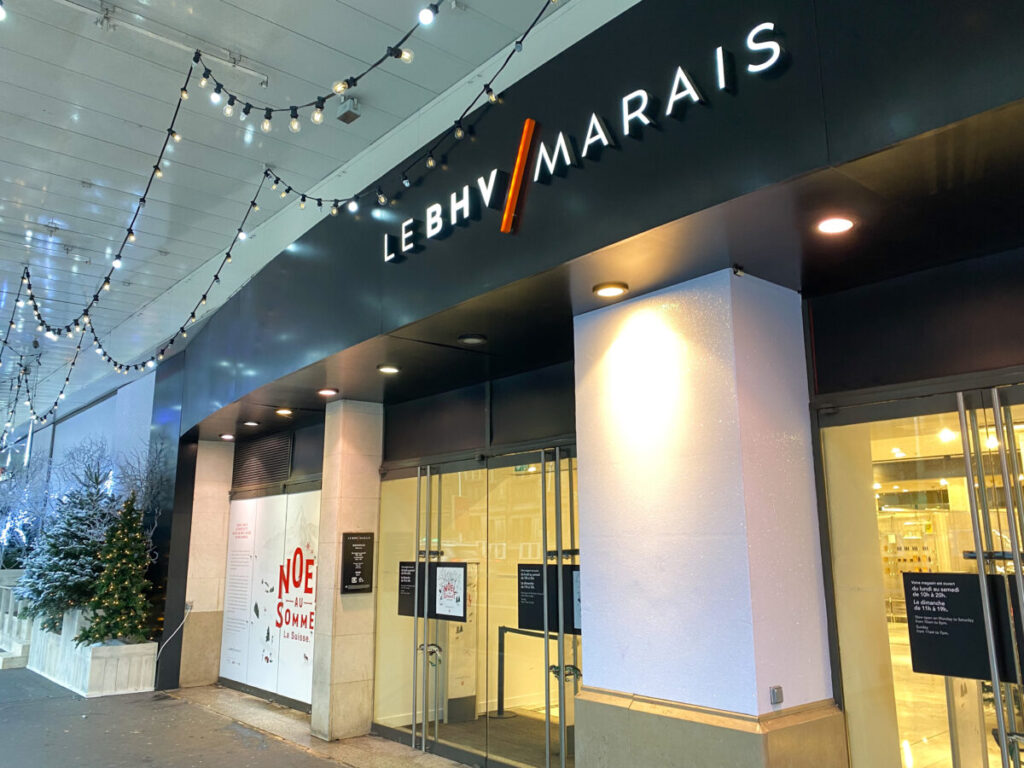
Le Marais is one of those places where you can wander aimlessly and still find something that catches your eye. The mix of concept stores, vintage boutiques, and indie designers turns it into a playground for anyone who loves fashion with personality.
Shops like Papier Tigre offer design-forward stationery, while Mamie Blue curates vintage fashion that feels intentional, not just random. As you walk, you’ll see classic tailoring next to bold streetwear, high-end beside thrift. That clash keeps things interesting.
Duck into the side streets and you can end up in boutiques that feel more like someone’s living room than a shop. There’s always a chance you’ll walk out with a handmade jacket or a quirky accessory nobody else back home will have.
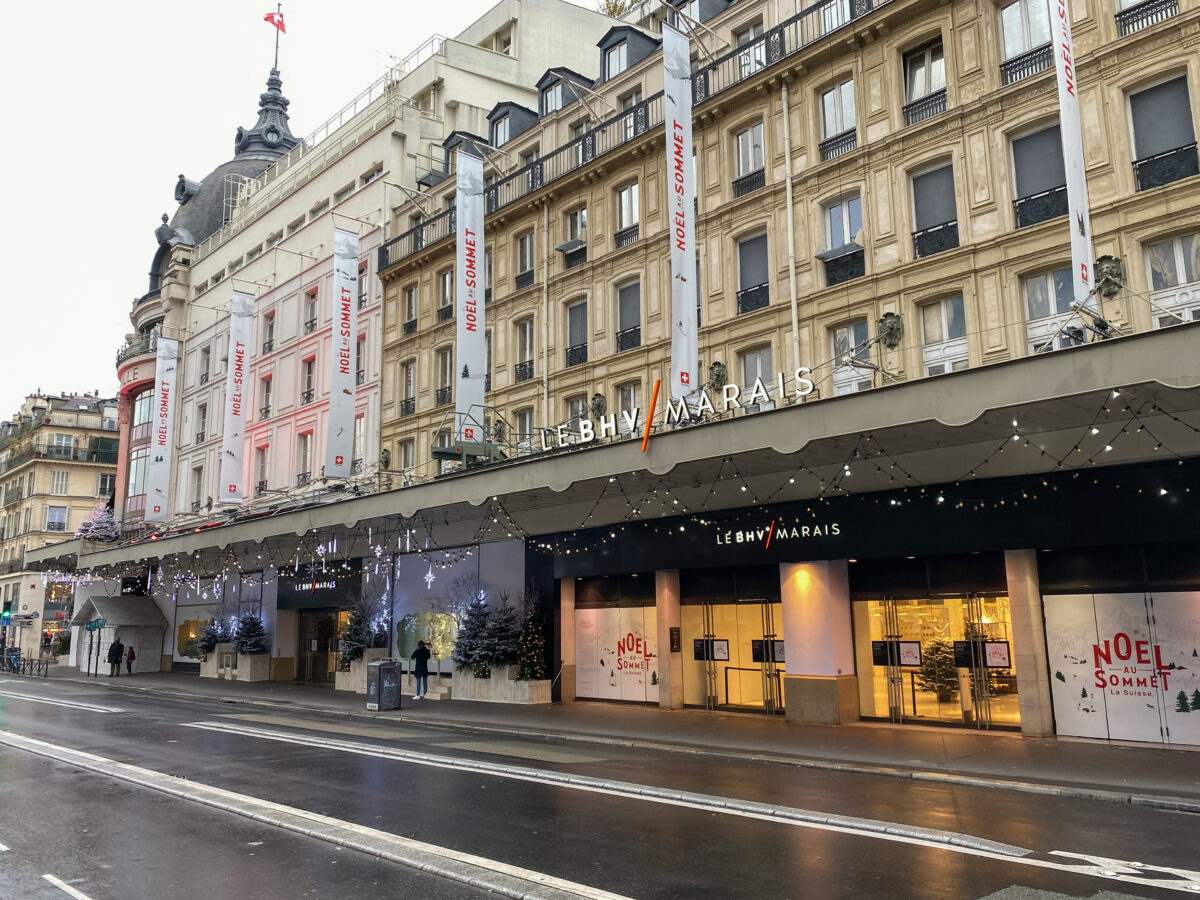
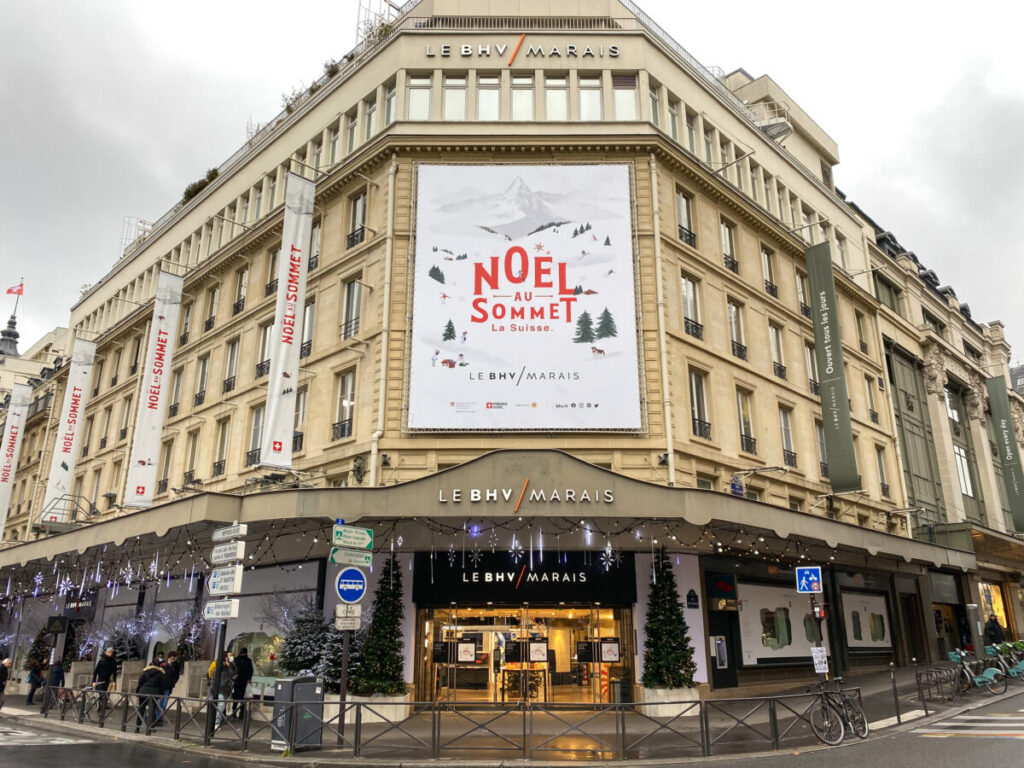
If you’re looking for men’s fashion, BHV Le Marais L’Homme offers a focused selection without the chaos of a giant department store. It’s practical, and sometimes that’s exactly what you want.
Saint-Germain-des-Prés: Bohemian Vibes

Saint-Germain-des-Prés moves at a different pace. It’s slower, reflective, and tied to its history of writers, artists, and café culture. Fashion here leans elegant with a bohemian twist, often mixing classic Parisian style with subtle eccentric touches.
Boutiques like L’Officine Universelle Buly bring in that old-world charm through perfumes and creams that look straight out of an apothecary. It’s not clothes, but it’s definitely part of the style culture—presentation is more than just what you wear.
Vintage shops hide between bookshops and galleries, and the scarves and small pieces here often seem to carry their own story. That is what makes shopping in this area so memorable: pieces that feel lived-in and personal, not just trendy.
The Marais feels more youthful and experimental, while Saint-Germain has this refined, intellectual vibe. You’ll see it in the way people dress—classic coats, layered textures, and accessories that look effortless but are clearly chosen with care.
Belleville and Canal Saint-Martin: Urban Edge
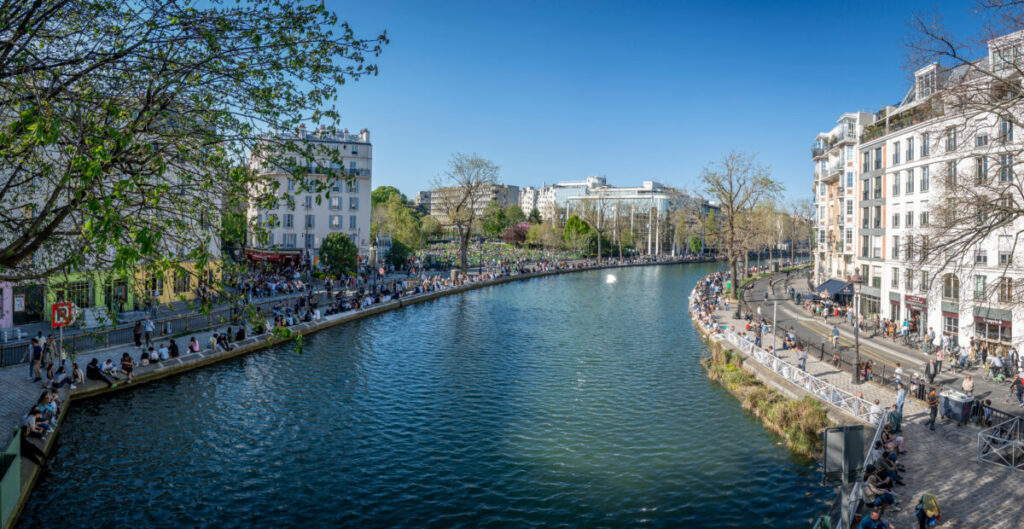
If you want something a bit grittier, head to Belleville or around Canal Saint-Martin. These neighborhoods have a scrappy, creative energy where street art, multicultural food, and thrift stores shape the style. Fashion here isn’t polished, but it’s bold.
Walk along the canal and you’ll spot secondhand shops, pop-up markets, and small designer studios playing with wild fabrics and shapes. It’s also a hotspot for upcycled fashion—pieces made from recycled materials, showing off the city’s growing eco-conscious side.
Belleville, in particular, has a complex and layered identity. Immigrant communities influence local style, blending global streetwear with Parisian cuts. People here dress with a kind of casual defiance—like they’re not trying to impress, but still look effortlessly cool.
It’s also a great place for “third places”—cafés, art spaces, and even old factories that have been transformed into cultural hubs. Visit Paris Region points out that many abandoned spots here have become creative hangouts.
That energy spills into the fashion scene, making it feel more communal and less about just buying stuff. If you like fashion that connects to real life—more about expression than labels—you’ll probably feel right at home here.
See Related: Paris Tips: Essential Travel Guide for a Perfect Trip
Concept Stores and Iconic Boutiques
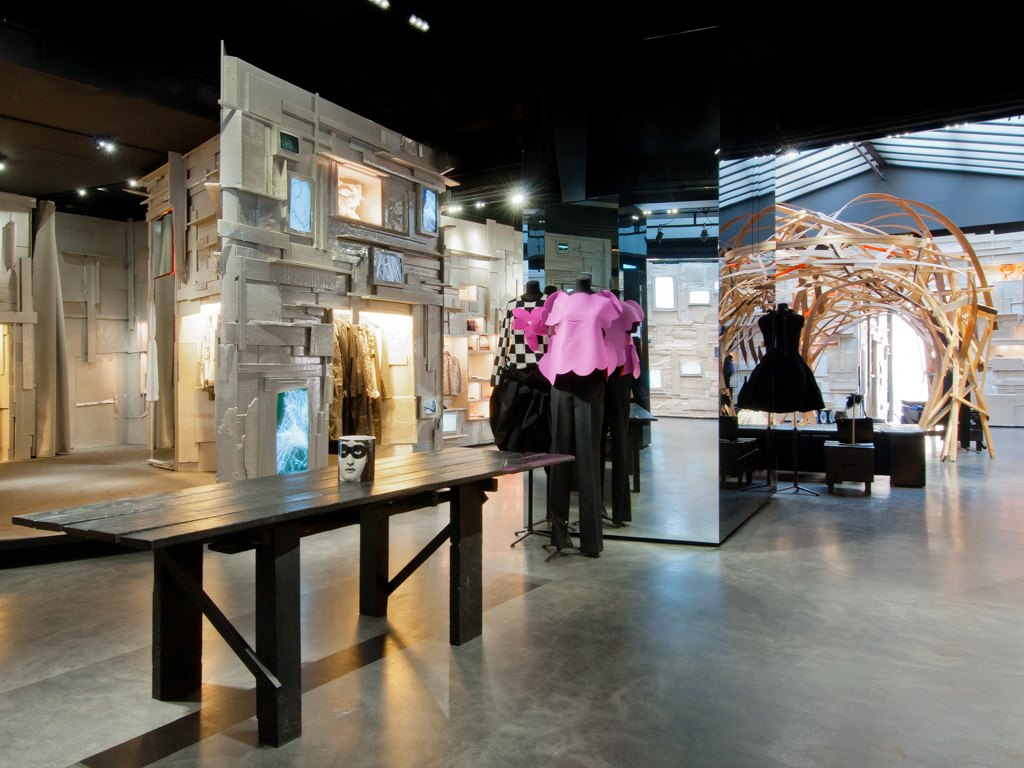
Paris has a way of making shopping feel like more than just spending money. These concept stores blend design, fashion, and lifestyle, so you end up exploring culture as much as clothes.
Leclaireur: A Fusion of Art and Fashion
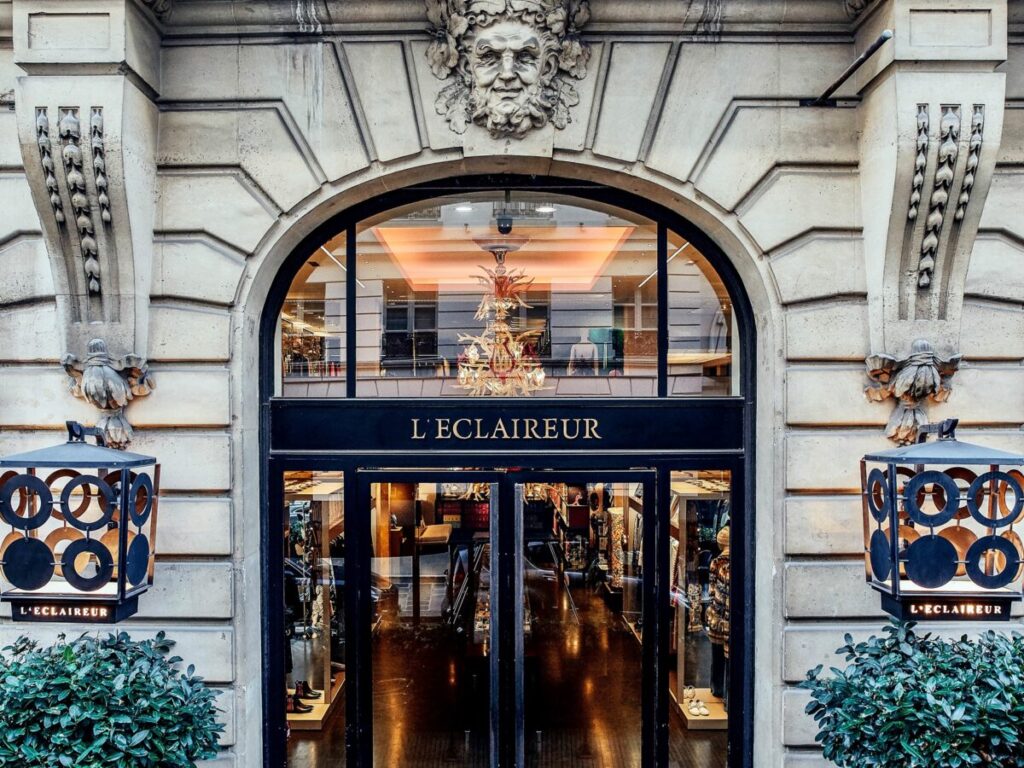
If you’re after something that feels more like an art gallery than a store, check out Leclaireur. Armand Hadida started it, and it’s always blurred the line between fashion and design. The interiors feel experimental, with lighting, sound, and even scents changing the mood.
Don’t expect just racks of clothes. You’ll find carefully staged pieces from designers like Rick Owens or Comme des Garçons, almost like sculptures. It’s less about buying something to wear and more about experiencing creativity up close.
First-time visitors often feel a bit out of their depth walking in, and that is part of the experience. You’re meant to take your time, notice the details, and chat with the staff, who really know their stuff.
Leclaireur is the kind of place where you might discover designers you’ve never heard of. And if you love interiors, the furniture and objects are just as striking as the clothes. It’ll make you rethink what a boutique can be.
Merci: Trendsetting with a Purpose
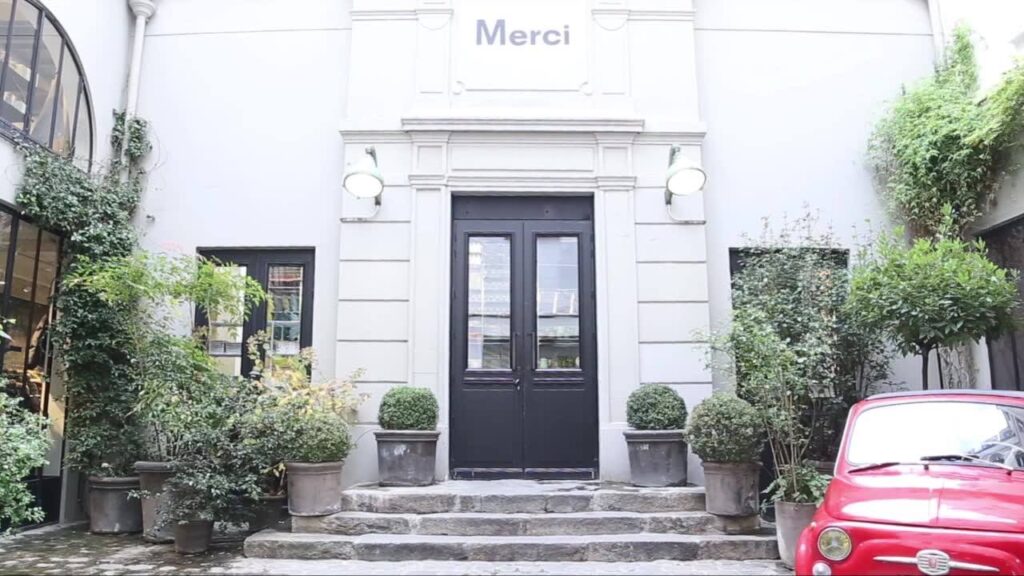
Merci is one of those must-visit Paris stores, and it lives up to the buzz. In the Haut-Marais, it mixes fashion, home goods, and even a café in one spot. The vibe is relaxed but stylish, and everything feels thoughtfully chosen.
The space feels warm and inviting. You’ll see clothing lines balancing timeless design with a modern twist, plus shelves of books, ceramics, and quirky design objects. It’s the kind of place where you go in for a sweater and leave with a lamp or a cookbook.
What really sets Merci apart is its social mission. Part of the profits support charity projects, so your shopping actually does some good. That gives the place a sense of purpose you don’t always find in retail.
Many visitors drop in just for a coffee in their used-book café, then wander through the store. It feels like a Parisian ritual, with locals and travelers doing the same.
Shopping here is more of a lifestyle than a chore. You can dive deeper into Merci’s evolving identity in Paris at this guide to the city’s concept stores.
The Broken Arm: Contemporary Cool
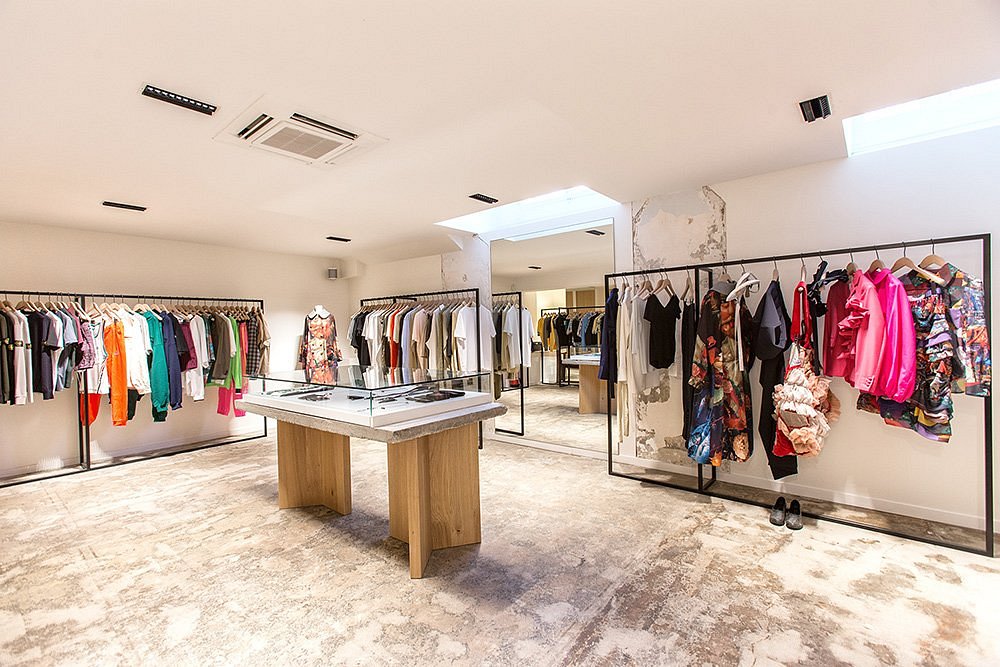
If your style leans minimal but sharp, The Broken Arm in the Marais is worth a stop. It’s a boutique that brings together fashion, books, and a café—all inside a clean, modern space. They focus on contemporary designers who push boundaries without screaming for attention.
You’ll spot names like Jacquemus, Loewe, and Raf Simons, but also smaller, under-the-radar labels. The clothing selection is tight, so you won’t get lost in endless racks. Every piece feels intentional.
Plenty of people drop in just for the café. The menu’s simple, but the coffee and pastries are excellent.
Sitting there with a magazine feels very “Marais local,” and it’s hard not to end up browsing the racks.
What stands out about The Broken Arm is how it manages to be trendy without the attitude. The staff are friendly, and the space feels like a calm little pocket in a busy neighborhood. It’s a good place to get a feel for where Paris fashion’s headed right now.
Smallable: Family-Friendly Finds
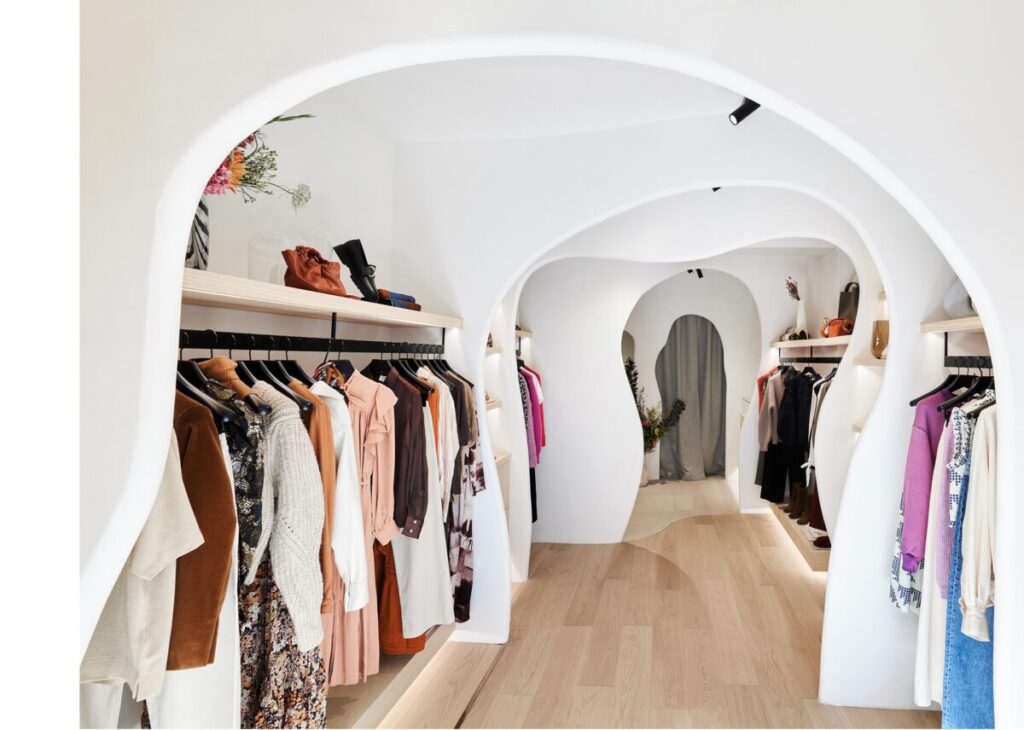
Not all Paris concept stores cater to fashion insiders. Smallable takes a different route, focusing on families, kids, and lifestyle. “Family concept store” really does sum it up.
The selection covers everything from children’s clothes to toys, books, and even furniture. But it’s not just for kids—there’s plenty of chic home décor and fashion for adults too. It’s a great stop if you’re traveling with family or just like playful design.
The tableware here is practical but beautifully designed, the kind you’d still use every day, and that’s the store’s vibe. They care about how things look and how they work.
The layout’s easy to navigate, and the atmosphere feels open, not exclusive. If you’ve been bouncing between high-fashion boutiques, Smallable is a nice change. It shows Parisian design can be stylish and still fit real life.
For a broader look at Paris’s best concept stores, check out this curated guide to fashion and design boutiques.
Emerging Parisian Designers and Futuristic Styles
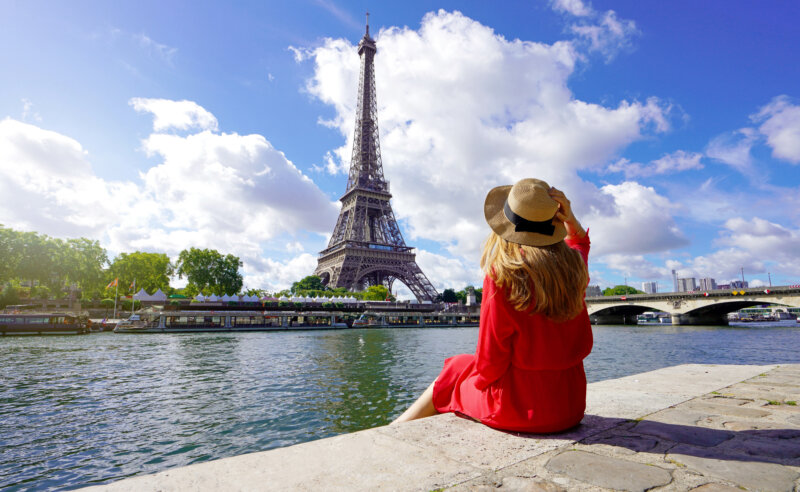
Paris has always been a city where fashion jumps ahead of the curve. Lately, a new wave of designers is mixing futuristic design, gender fluidity, and luxury innovation in ways that feel experimental but wearable. These shifts are shaping how you experience fashion here, from boutique showrooms to the big stage of Paris Fashion Week.
Marine Serre and the Rise of Futuristic Design
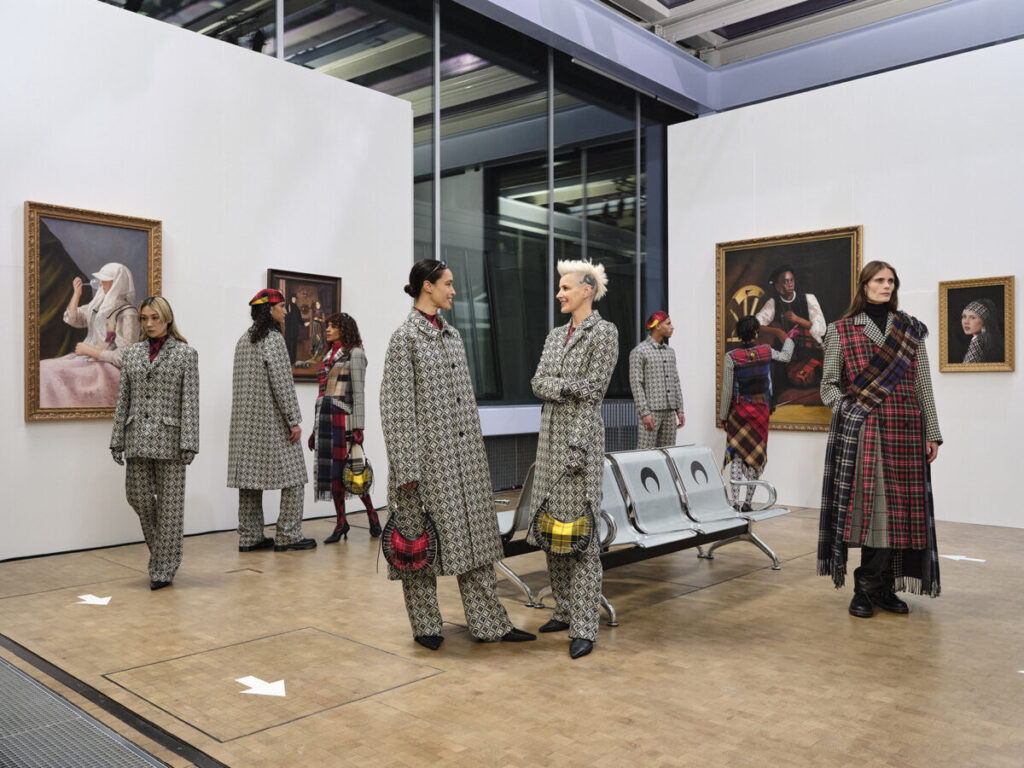
If you’ve wandered through Le Marais lately, you’ve probably seen Marine Serre’s crescent moon motif everywhere—bodysuits, leggings, you name it. It’s not just hype; she uses it to signal a futuristic design rooted in sustainability.
Serre works with upcycled fabrics. Old silk scarves turn into dresses, discarded denim becomes patchwork coats. You’ll spot these pieces in small Paris boutiques that love carrying designers who reinvent trends instead of copying them.
She balances function and fantasy. Her clothes look ready for the future—sleek, body-conscious, and a bit sci-fi—but you could wear them to a café in Belleville and blend right in.
Her runway shows carry an almost apocalyptic vibe, like fashion for survival, yet people walk away wanting to buy the clothes, not just watch the spectacle. That’s the sweet spot she hits.
Y/Project and Gender Fluidity

Y/Project was one of the Parisian labels that pushed hardest on gender, under creative director Glenn Martens, who twisted classic garments into something new: oversized denim with odd folds, or a blazer you could wear three different ways. The house shut down in early 2025 after entering receivership in September 2024 and failing to find a buyer, and Martens has since focused on Diesel and Maison Margiela. Its influence still runs through the alternative scene, and archival looks were donated to museums including the Palais Galliera and the Metropolitan Museum of Art.
The label leaned into gender fluidity without forcing it: lace on men, women in boxy tailoring, the line between the two deliberately blurred. It was never about shock value so much as ditching old rules, and that approach influenced how younger Paris designers now show menswear and womenswear together.
In its final years, concept stores like The Broken Arm carried Y/Project across both men’s and women’s rails, exactly the in-between space the label was built for. Resale and vintage platforms are now the main way to find its pieces.
The signature twisted jeans are a good example of the label’s playful engineering: the seams spiral around the leg, so first-timers often needed a minute to work out the fastenings. That sense of challenge, clothes that make you think, is a big part of why the brand still gets referenced in alternative-fashion circles.
Celine and Luxe Innovation
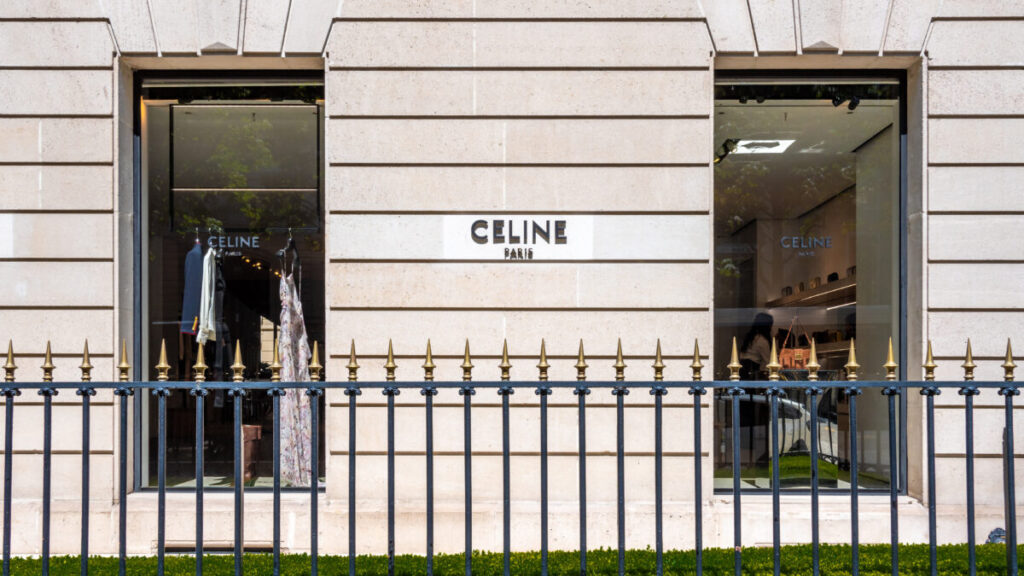
Celine plays in a different lane but still pushes boundaries. Hedi Slimane gave the house a sharper, almost futuristic edge across his roughly seven-year run, which ended in late 2024; Michael Rider took over as creative director in 2025 and is steering it back toward a more classic Parisian register.
He’s mixed Parisian chic with modern innovation. Expect slim tailoring, metallic details, and a rock-and-roll vibe that’s a big shift from the softer Celine of the Phoebe Philo years. Some folks miss the old look, but Slimane’s carved out a clear identity, no question.
What stood out about the Slimane era was how it kept Celine luxurious while experimenting with new silhouettes and materials. The leather jackets, with sleeker cuts and bolder finishes, managed to feel timeless and forward-looking at once, and that tension is the through-line Rider now inherits.
If you wander into the flagship on Rue Saint-Honoré, the space itself reflects this luxe innovation. Clean lines, polished stone, and a layout that almost feels like the future of French fashion retail. Even if you’re not buying, it’s worth a visit just to take it all in.
See Related: How to Get Around Paris: Effortless Navigation Tips
Vintage, Thrift, and Sustainable Alternatives
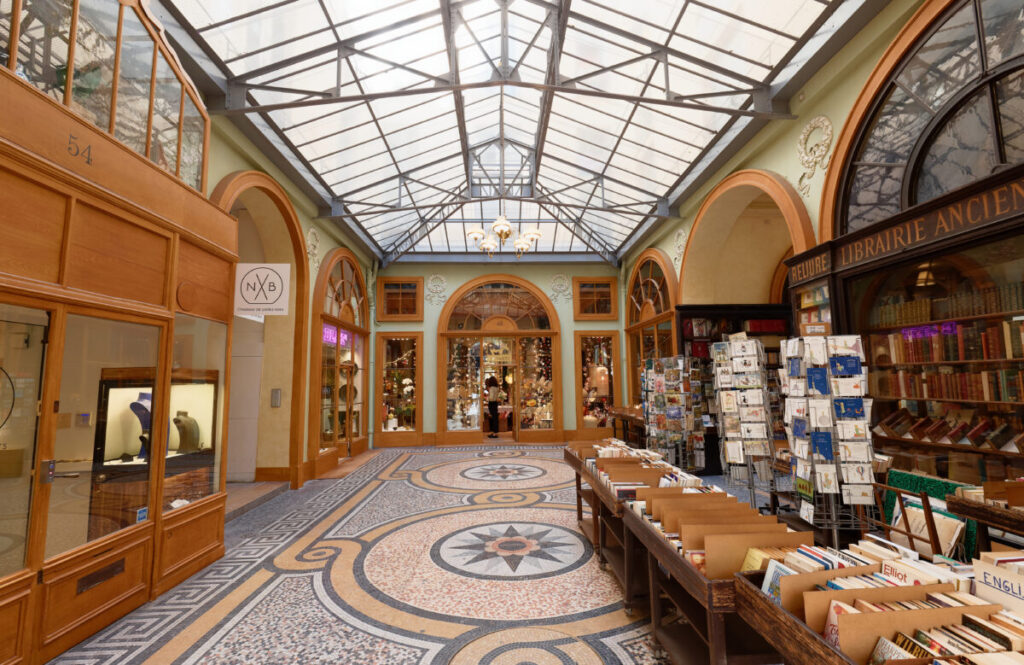
Paris has a big secondhand scene that mixes affordable thrift finds with curated vintage boutiques. Eco-conscious brands are popping up everywhere, putting sustainability at the heart of their fashion. Shopping this way saves money and gives you access to unique pieces you won’t see in chain stores.
Best Friperies and Thrift Shops
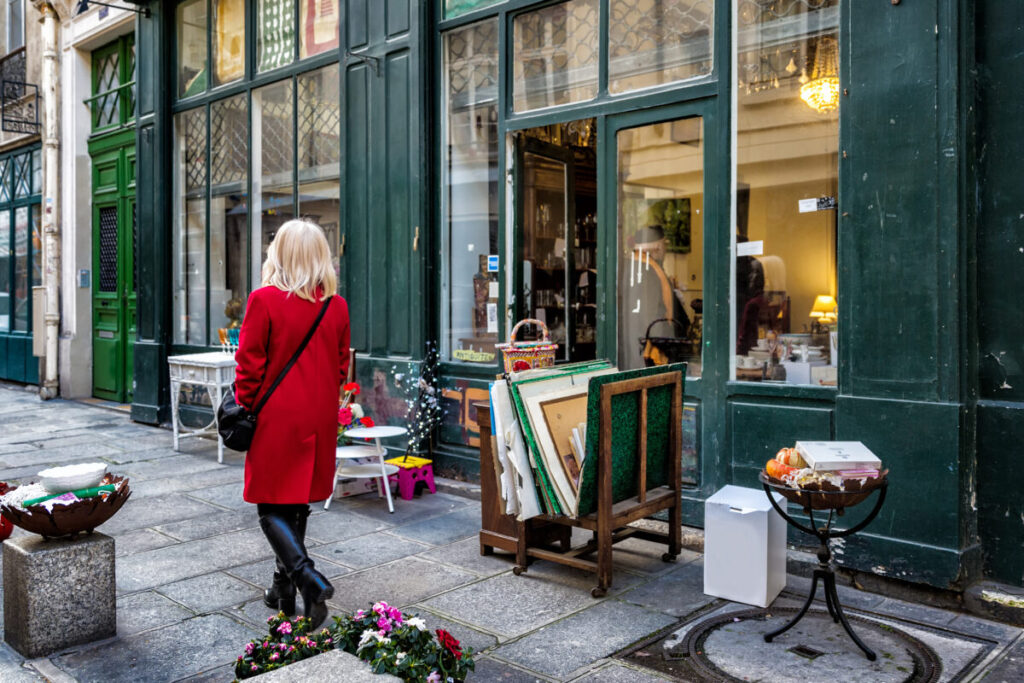
If you want cheap and cheerful, head to the friperies in the Marais. Shops like Kilo Shop charge by weight, so you can walk out with a bag full of clothes for under 20 euros. For a true bargain hunt, check out Vintage Désir, the “1 euro shop,” where racks are packed with basics and oddball finds.
It’s easy to lose entire afternoons in Kiliwatch, which feels more like a fashion archive than a thrift store. Prices are higher, but the selection is fantastic: rare Levi’s, old leather jackets, 80s sportswear.
If you like digging, the Emmaüs shops around Paris are worth a look. They support social causes and sometimes you find real gems.
For a mix of local favorites, the cheapest thrift shops in Paris are scattered across the 3rd and 11th arrondissements. These neighborhoods are great for hopping from one shop to the next without trekking too far.
Eco-Friendly Fashion Initiatives
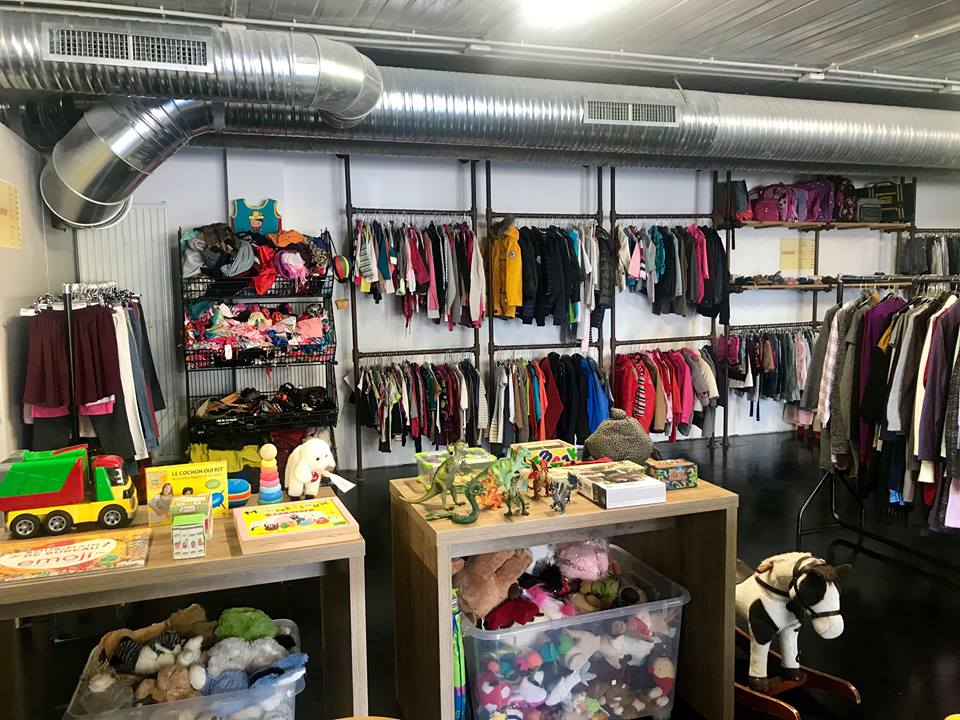
Paris fashion isn’t just about looking good—it’s about rethinking how clothes are made and used. Imparfaite is a good example: an online platform working with over 900 secondhand shops across France to sell curated vintage pieces.
You can browse their collection from your phone while sipping coffee at a café. Pretty convenient.
Big names like Emmaüs Alternative also focus on ethical fashion by giving clothes a second life and supporting community projects. More young Parisians are shopping here, not just for the style, but because they care about waste and overproduction.
If you prefer browsing in person, the best thrift and vintage shops in Paris now highlight eco-friendly practices, like recycling fabrics or working with local designers. It’s a nice balance between sustainability and style, and very Parisian.
Tips for Vintage Shopping in Paris
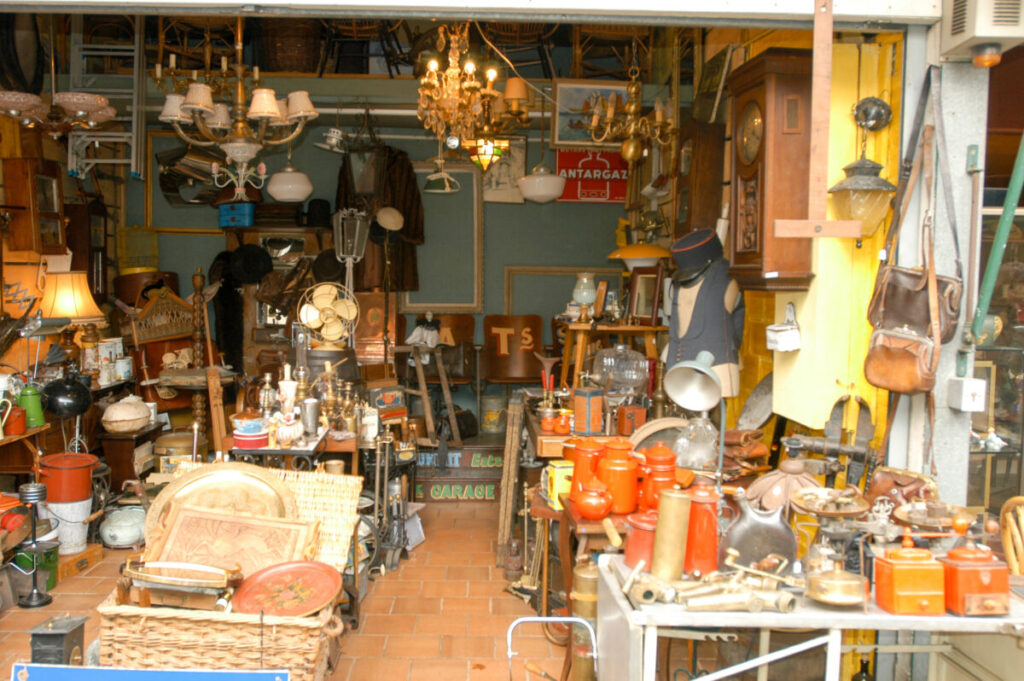
Vintage shopping in Paris is fun, but it can be a bit much if you don’t know where to start. First tip: always check the condition of what you’re buying. Some shops don’t clean or fix clothes, so keep an eye out for stains, missing buttons, or broken zippers.
Bring cash if you plan to shop in smaller friperies. A lot of them still don’t take cards, and it’s easier to haggle when you have the right change.
Also, don’t skip the fitting room, even if something looks weird on the hanger. Some of the best finds look terrible until they’re tried on.
If you want more curated options, places like Vintage & Secondhand Shopping in Paris will point you to boutiques that specialize in high-quality fashion. These shops are pricier, but you get better fabrics and timeless pieces that actually last.
One last thing—go early. By the afternoon, the best stuff is usually gone, especially in popular spots. Paris thrift shopping rewards patience and persistence, so take your time and enjoy the hunt.
Alternative Lifestyle: Cafés, Books, and Food Culture
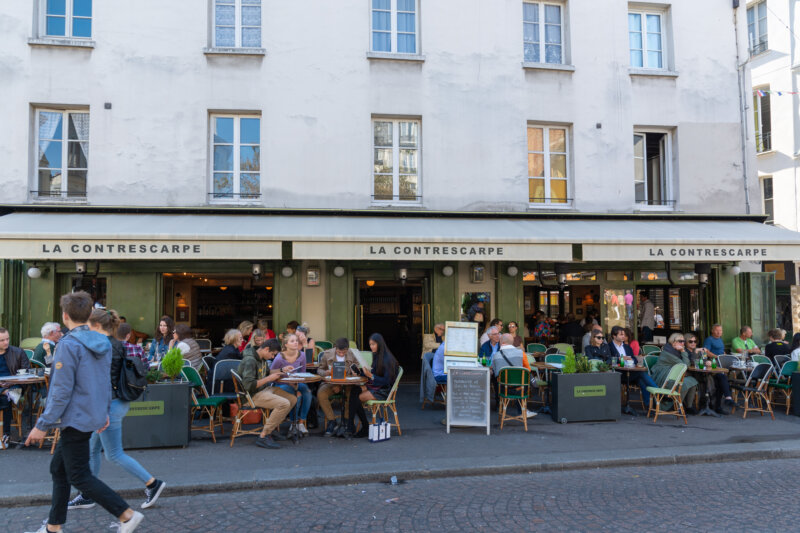
Paris finds ways to blend style into everyday life. You’ll see it not just in boutiques but in cafés, bookshops, and even the way people eat. These spots aren’t just for coffee or food—they’re woven into the city’s rhythm.
Cafés and Coffee Shops with a Fashion Twist
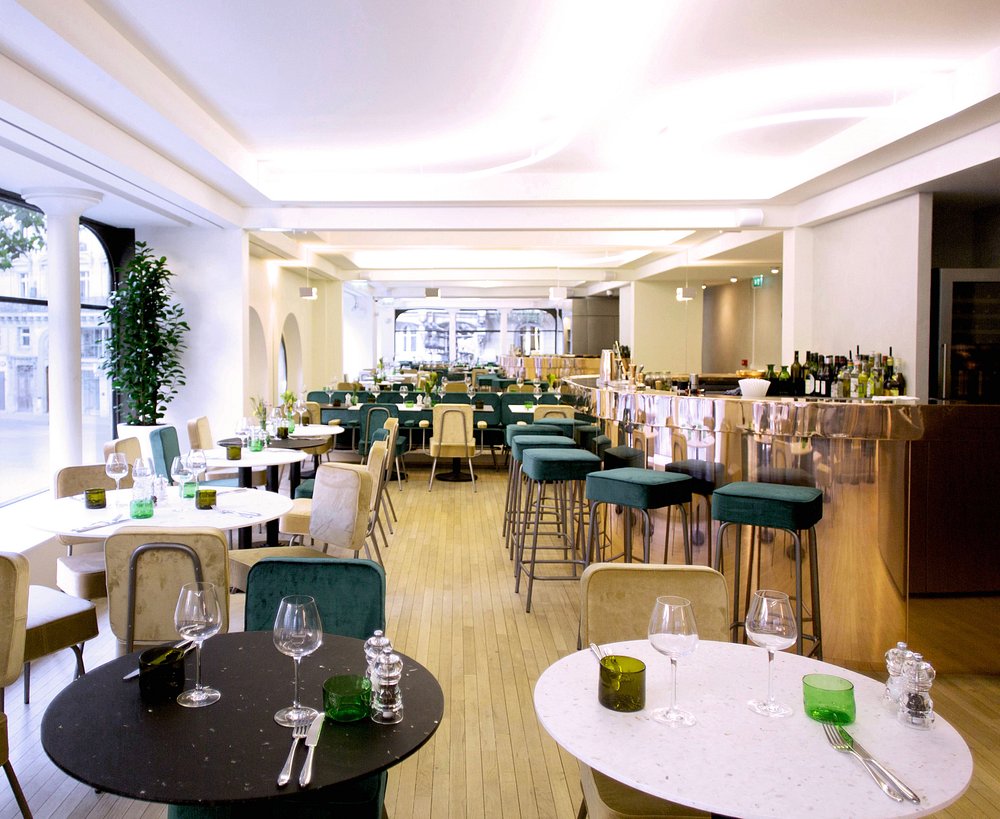
In Paris, cafés are about more than caffeine—they’re about identity. Some of the coolest spots are connected to fashion houses.
Ralph’s Coffee in Saint-Germain, for example, mixes American café culture with Parisian elegance. You sip a latte under chandeliers while students and designers chat nearby.
Fashion brands have jumped on this trend. At Café du 19M, linked to Chanel’s creative hub, you’ll find seasonal dishes in a space that feels more like an art studio than a café. And if you’re curious about couture-meets-coffee, Lancaster Le Café near Palais Royal serves matcha and pastries that look as polished as a runway show.
Café Kitsuné Louvre is a great example of style meeting sweets. It’s more than a coffee stop; it’s a hangout for people who care about aesthetics as much as taste. You’ll spot the same attention to detail at the Louis Vuitton Café at LV Dream, where the menu is as curated as their exhibitions.
Bookstores and Creative Spaces
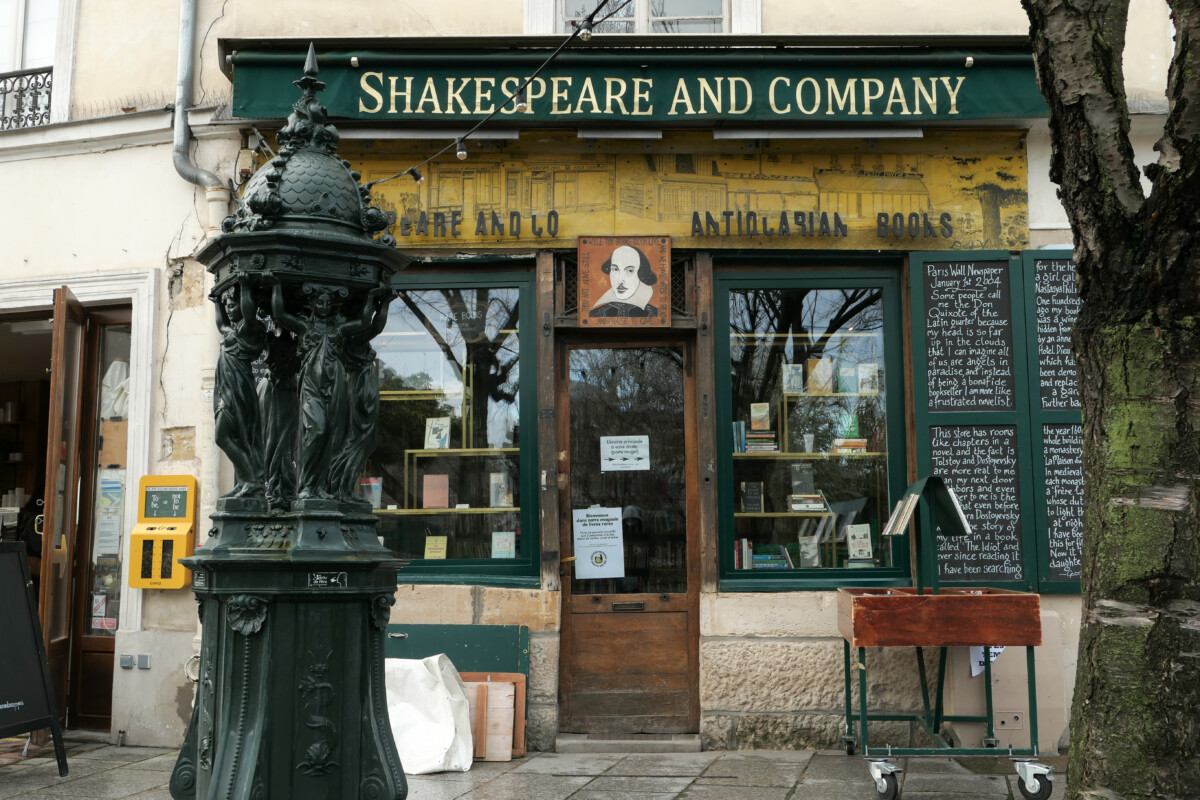
Paris has this ongoing love affair with books, and you can still catch the vibe when you wander into certain shops. Shakespeare and Company is the obvious choice—yeah, it’s touristy, but there’s still something about writers scribbling notes in quiet corners. If you’re drawn to darker, moodier spaces, Pierre Bazalgues’ Dark Academia Cabinet is worth a peek.
Some bookstores double as hangouts. At Merci’s Used Book Café, you can sip coffee and flip through secondhand titles stacked all the way up the walls. It’s easy to lose track of time there, especially if you’re into art or design books.
These shops read like a gentler take on the Paris café scene. Instead of constant chatter, you just hear pages turning, and if you do end up chatting, it’s usually with someone who’s into the same books, not just the same roast.
Foodie Spots Popular with the Fashion Crowd
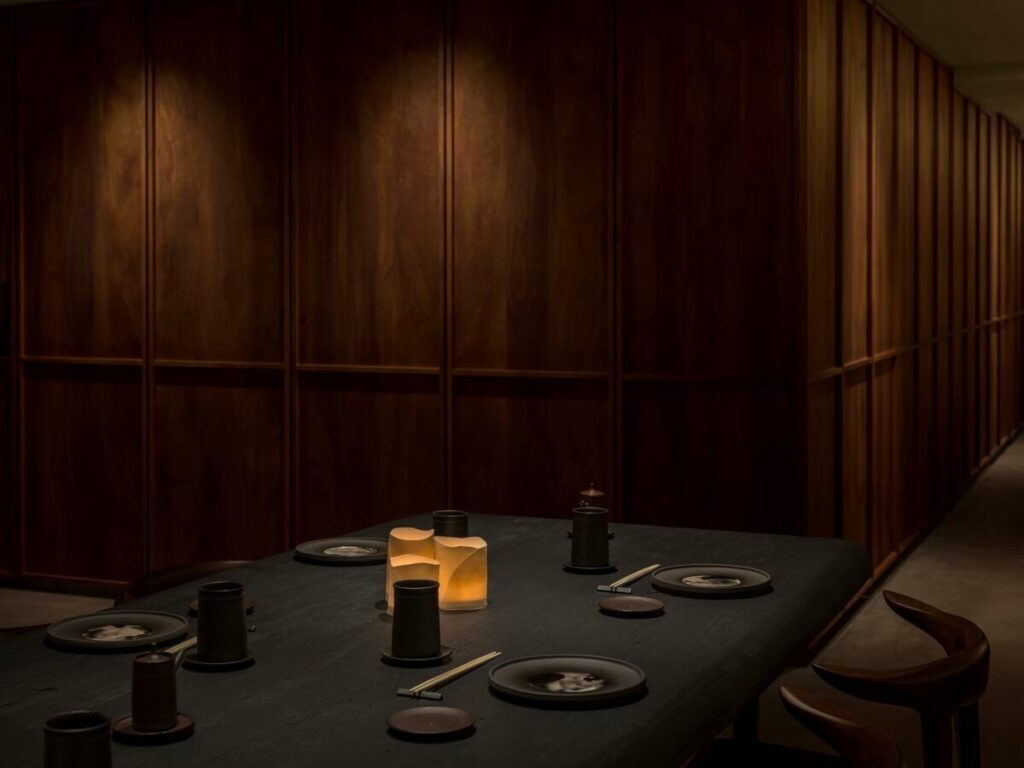
Food in Paris is never just food—it’s about the mood, the look, sometimes even the performance. Fashion folks seem to flock to places that feel both stylish and chill.
Saint Laurent’s Sushi Park is a good example, serving omakase in the basement of their boutique. It’s exclusive but still feels approachable if you want something different for the night.
For a more playful vibe, Lacoste’s pop-up at the Shangri-La mixes waffles, ice cream, and tennis energy. Definitely not your typical Parisian café, but maybe that’s what makes it fun—it’s lighthearted and a bit unexpected.
Vegetarians and design lovers end up at Ora Farmhouse at the Pavillon du Lac, where chefs actually paint with vegetables right on the table. If you’re after a hidden spot, the Café-Restaurant Azzedine Alaïa in the Marais does Italian-inspired menus under a glass roof. It feels tucked away, and you’ll spot editors and stylists grabbing lunch there.
Sometimes you just want to keep it simple—a croissant at Le Pain Grillé by agnès b. somehow feels connected to the fashion world.
These little choices—where you eat, read, or grab coffee—kind of blend lifestyle and style in Paris. It’s hard to separate the two. For more on these stylish food and café addresses, check out Paris’s fashion and couture cafés and restaurants.
See Related: One-Day in Paris Itinerary: How to Spend a Day
Frequently Asked Questions
Paris has always mixed classic style with underground fashion scenes. You’ll find everything from vintage thrift shops to edgy gothic boutiques, and even entire streets devoted to alternative culture. Prices run from bargain bins to carefully curated designer racks.
Where can I find the best alternative fashion boutiques in Paris?
If you want to skip the tourist traps, check out the Marais and the 10th arrondissement. The Marais has places like Free’p’Star packed with vintage finds, while the 10th is dotted with indie boutiques that feel more like hidden workshops than regular stores.
I always tell people to try Espace Kiliwatch near Rue Tiquetonne. It’s one of those spots where you can lose an entire afternoon digging through racks for retro or quirky pieces.
Are there any affordable shops for unique fashion finds in Paris?
Absolutely. The most fun (and cheap) way to shop is by hitting the city’s many thrift and kilo shops. Guerrisol is a local favorite—it’s a bit chaotic, but if you’re patient, you’ll find gems.
If you want something more organized, Kilo Shop in Saint-Germain lets you pay by weight. You can easily leave with two jackets and a pair of boots for less than the price of a sit-down lunch nearby.
What are the must-visit gothic fashion stores in Paris?
Paris has a loyal but pretty low-key gothic scene. Most shops hide away from the big shopping streets. You’ll spot corsets, lace, and darker styles in boutiques near Bastille and République.
Some concept stores, like the ones in alternative concept store guides, blend gothic fashion with design and music culture. It’s not a huge scene, but if you look around, you’ll find it.
Where in Paris is Rue Keller and why is it significant for alternative fashion?
Rue Keller is tucked away in the 11th arrondissement, not too far from Bastille. It’s a pretty short street, but it’s carved out a name for itself as one of the first spots in Paris where alternative fashion shops started popping up together.
Back in the day, punks and goths flocked here for Doc Martens, leather jackets, and band tees. Even now, a few shops keep that vibe going. If you’re into subcultures, you might want to swing by—it’s got its own kind of charm.
Last updated July 2026: refreshed the neighborhood guidance, corrected the status of Y/Project (closed 2025) and Celine’s creative direction (Michael Rider took over in 2025), and added an area-by-area comparison table. Sources: WWD, Business of Fashion, and the stores’ official sites.
Find Things to Do in Paris
Find Accommodation

Continue Planning Your Paris Trip
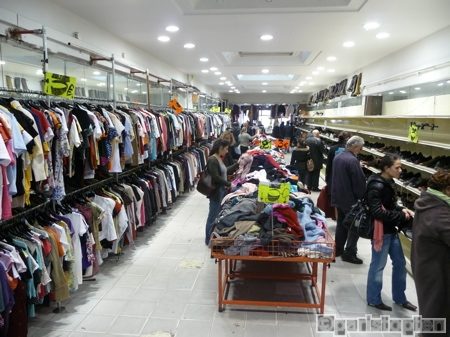
Guerrisol Paris: Insider’s Guide to Affordable Fashion
Guerrisol is a real Parisian thrift chain with prices this low, patience is the only cost. Here is…
Read Guide →
10 Best Souvenir Shops in Paris: Must-Visit Spots for Unique Keepsakes
Take home more than a fridge magnet. Ten Paris shops for unique keepsakes, from fashion finds to gourmet…
Read Guide →
5 Best Farmers Markets in Paris: A Comprehensive Guide
From Bastille to Marché des Enfants Rouges, Paris's farmers markets are where the fresh produce, artisanal goods, and…
Read Guide →