Paris has two macaron legends that spark endless debates among locals and tourists: Ladurée and Pierre Hermé. Both have shops scattered across the city, each with die-hard fans convinced their favorite is the true macaron king.
Ladurée goes for the classic, delicate macaron with traditional flavors and lighter shells. Pierre Hermé, on the other hand, shakes things up with bold flavor combos and chewier, less sweet shells that really let his creative fillings shine.
I’ve spent years bouncing between these two, and honestly, picking a favorite feels impossible—like choosing your favorite Paris arrondissement. Both deliver fantastic macarons, but their styles couldn’t be more different.
Ladurée nails the traditional macaron experience, carrying that Belle Époque charm and time-tested recipes. Pierre Hermé—often called the “Picasso of Pastry”—treats each macaron like modern art, mixing up wild pairings like olive oil and vanilla or passion fruit and chocolate.
So, which one fits your mood? Do you want that dreamy Paris moment with a perfect pistachio or rose macaron? Or are you itching for bold, creative flavors that flip your expectations? Let’s dig into shell texture, price, and all the details so you can decide what to hunt down in Paris.
Key Takeaways
- Ladurée serves up lighter, sweeter shells with classic flavors, while Pierre Hermé crafts chewier shells for layered, complex tastes
- Both price their macarons similarly—usually €2.80-€3.50 each—and their boutiques reflect totally different vibes
- Honestly, the best move is to try both and see which style wins your heart while you’re in Paris
Macaron Essentials: What Makes a Great French Macaron?
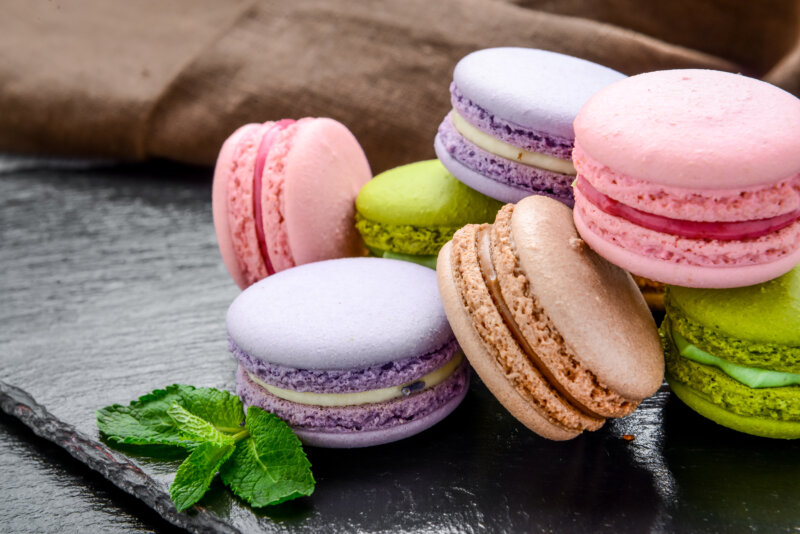
A great French macaron isn’t just about looking pretty in the window. The magic comes down to three things: a delicate shell with structure, a rich filling that actually tastes like something, and a careful balance of sweetness that doesn’t knock you out.
Shell Texture and Structure
The shell is where technique meets artistry. You want a smooth, domed top—no cracks, no weird bumps. That’s how you know the meringue and batter came together just right.
But honestly, what matters is the bite: a gentle crunch, then a soft, slightly chewy interior. Hollow shells? Nope, that’s a dealbreaker. A good macaron has substance.
The “foot” (that ruffled base) isn’t just for looks. A well-formed foot means the macaron rose properly in the oven. You want it there, but not taking over the whole shell.
Key shell qualities:
- Smooth, glossy surface
- Thin, crisp outer layer
- Soft, moist interior
- Visible foot (pied)
- No big air pockets
The double-decker macaron structure really makes the perfect home for a generous filling. Once you taste a shop that gets this right every time, you’ll know why people obsess over these cookies.
Ganache and Filling Perfection

The filling is where personality comes through. A traditional ganache should be smooth and creamy—not grainy, not stiff. When you bite in, it should spread evenly but not ooze out the sides.
Too many macarons skimp on filling, leaving you disappointed. The ratio matters. You need enough filling to balance the almond meringue shells, but not so much that it takes over.
Fresh ingredients make all the difference. Real fruit, good chocolate, natural extracts—they give depth that fake flavorings just can’t. The filling should be moist enough to soften the shells a bit as they sit together, giving you that perfect melt-in-your-mouth feel.
Flavor Balance and Sweetness
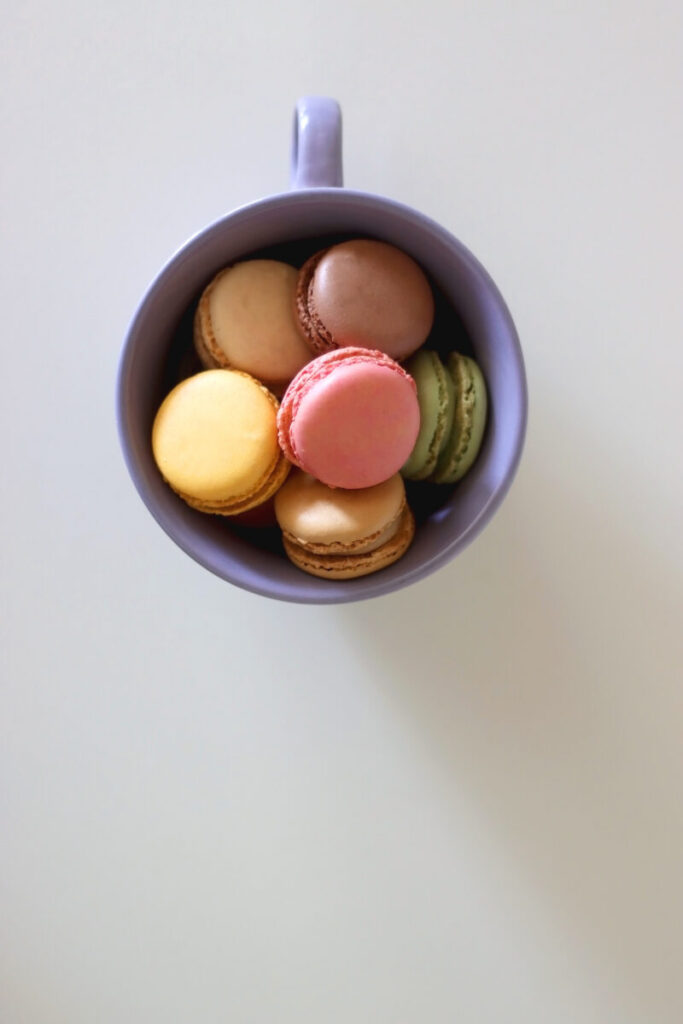
This is where things get personal. French macarons are sweet by nature, thanks to the meringue, but the best ones won’t make your teeth hurt. The filling should balance out the shell’s sugar.
Pistachio macarons need that nutty richness to cut the sweetness. Raspberry? It should have real fruit acidity. This back-and-forth between sweet shell and flavorful ganache is what makes eating macarons so addictive.
Some pastry chefs dial down the sugar to let flavors pop. Others stick with the classic sweetness. Neither is wrong—you’ll just find yourself gravitating to one style or the other.
Heritage and Legends: The Stories Behind Ladurée and Pierre Hermé
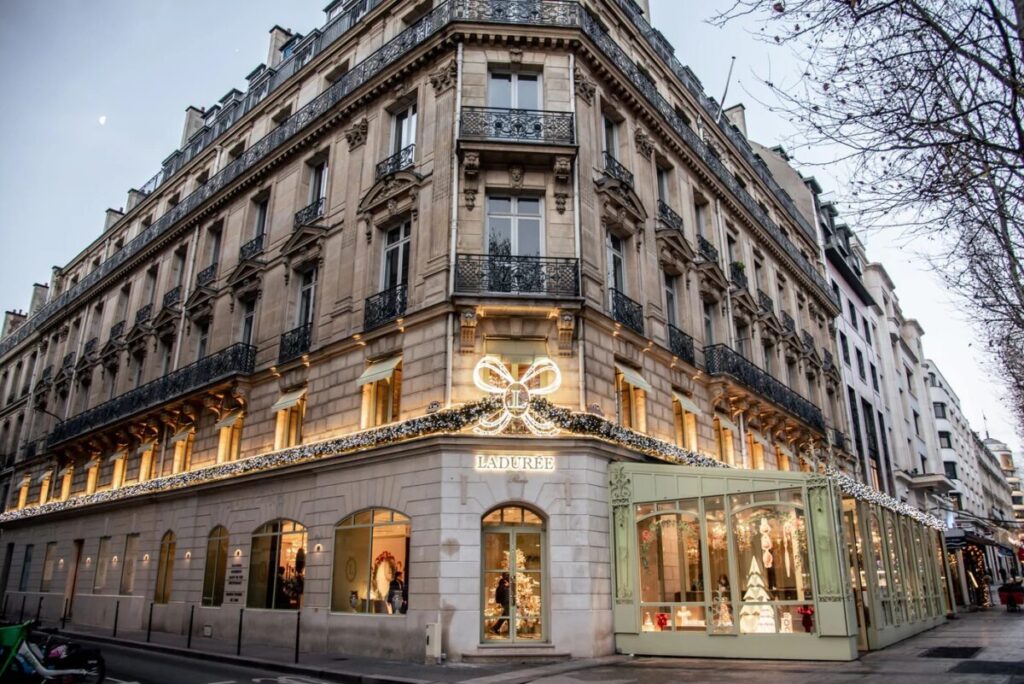
These two houses have totally different roots—one steeped in 19th-century Parisian elegance, the other built on boundary-pushing flavors that turned pastry on its head.
Ladurée’s Belle Époque Legacy

Step into Ladurée and you’re stepping into Paris history—since 1862. Louis-Ernest Ladurée, a French miller, opened his first bakery right as Paris was becoming Europe’s cultural capital.
Then, in 1930, Pierre Desfontaines (Louis-Ernest’s second cousin) had a lightbulb moment—why not sandwich two almond meringue shells with ganache? That’s how the modern macaron was born, turning a simple cookie into an iconic French pastry.
Belle Époque style is everywhere in their tea rooms. The mint green, the checkerboard floors—it’s all a tribute to late 19th-century Parisian elegance.
When the Holder Group took over in 1993, they kept that vintage vibe and spread it worldwide. Now there are 104 locations, but each one still feels like old-school Paris.
Pierre Hermé: The Picasso of Pastry

Here’s a fun fact: Pierre Hermé actually ran the kitchen at Ladurée in the ’90s. That’s where he started playing with flavors like pistachio, rose, and salted caramel—wild at the time, but now totally mainstream.
His “Picasso of Pastry” nickname isn’t just PR. Hermé treats macarons like art, mixing up unexpected flavors that keep you guessing.
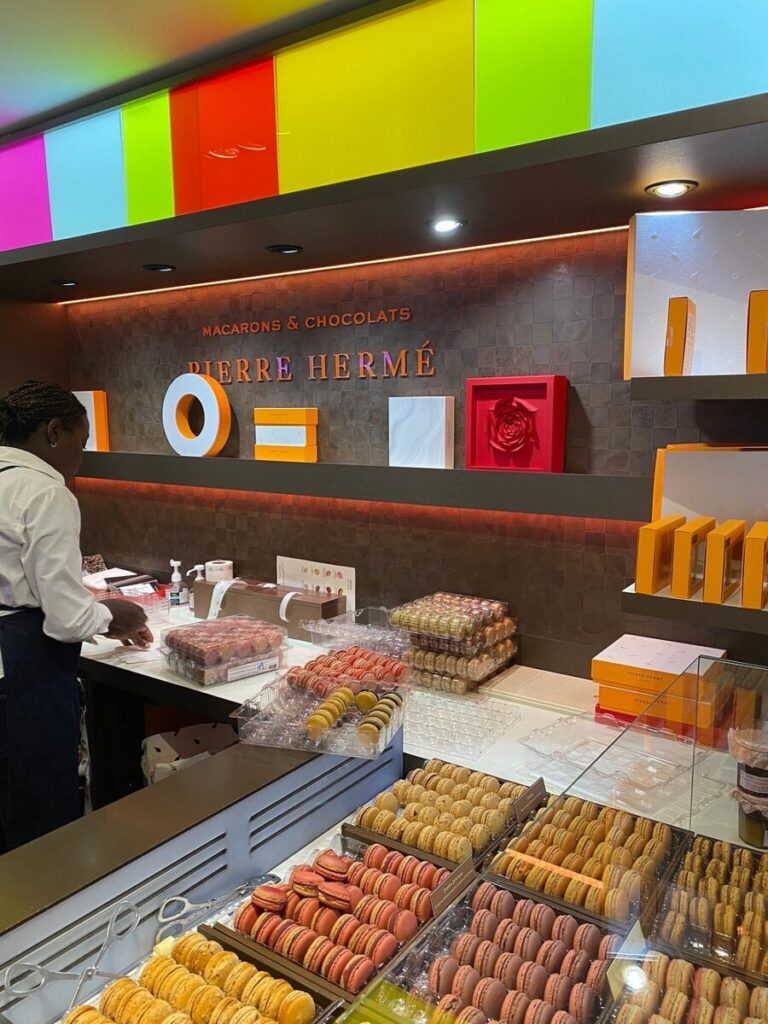
He opened his first solo shop, Pierre Hermé Paris, in 2001 on Rue Bonaparte. The design is minimalist—a direct contrast to Ladurée’s ornate tea rooms.
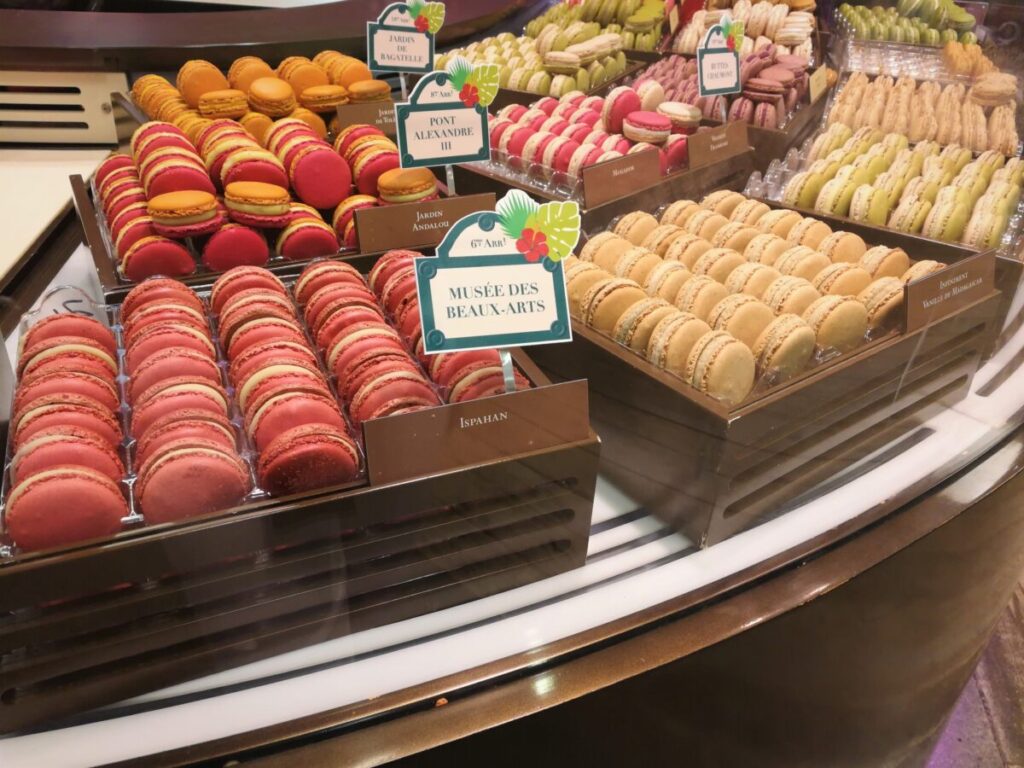
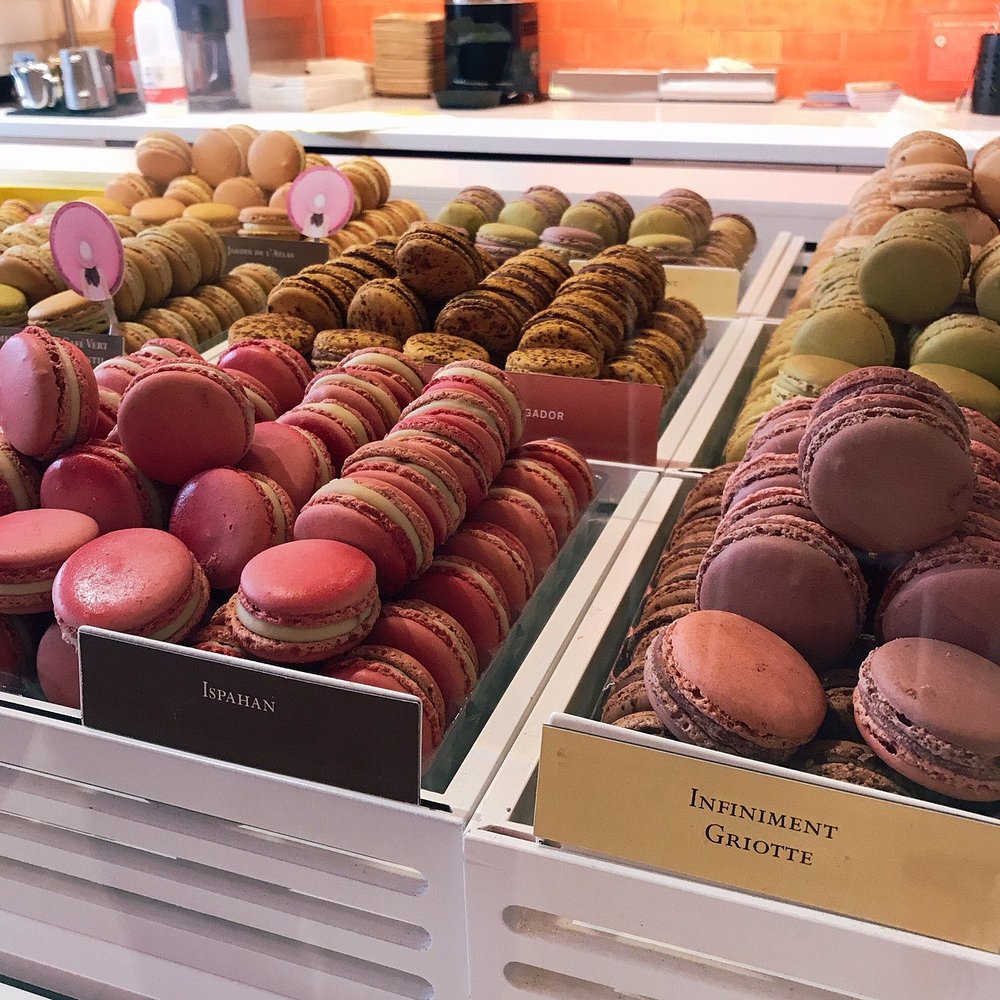
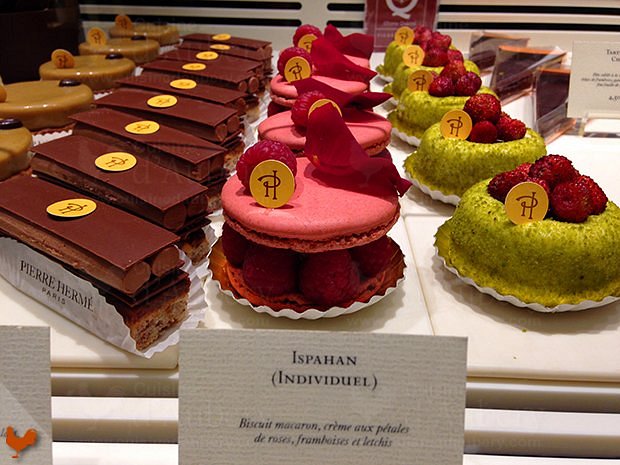
Pastries are displayed like jewelry, showing off the craftsmanship. His flavor combos often blend three or four ingredients in one macaron—like the famous Ispahan with rose, lychee, and raspberry.
The Evolution of the Modern Macaron
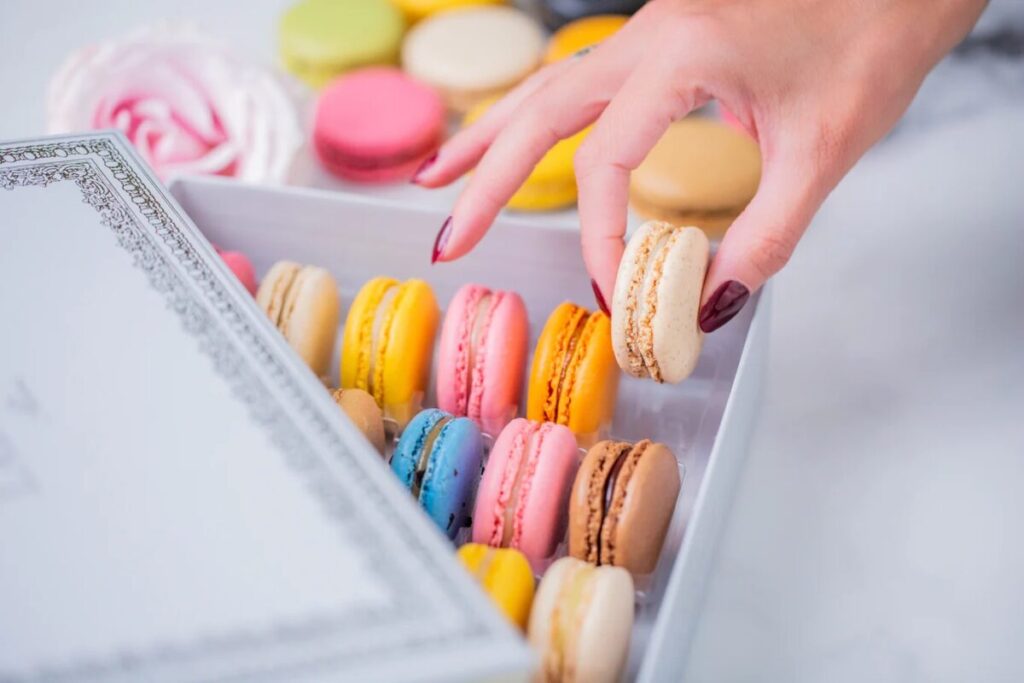
The macaron rivalry in Paris really pushed these cookies forward. When Gaston Lenôtre made the macarré—a square macaron—Ladurée responded with their double macaron. This back-and-forth kept both houses on their toes.
But here’s the twist: Hermé’s training at Ladurée basically set him up to become their toughest competitor. He took the traditional skills and ran with them, making more complex flavors than Ladurée ever did.
Now, their styles represent two philosophies. Ladurée sticks with flawless classics.
Hermé treats the macaron as a blank canvas for culinary experiments. Honestly, you can’t walk into a bakery anywhere without seeing their influence on macarons—how they’re made, displayed, and even sold.
See Related: Essential Literary Spots in Paris: Bookshops, Libraries, and Literary Cafes
Boutique Experience: Parisian Atmosphere and Shopping
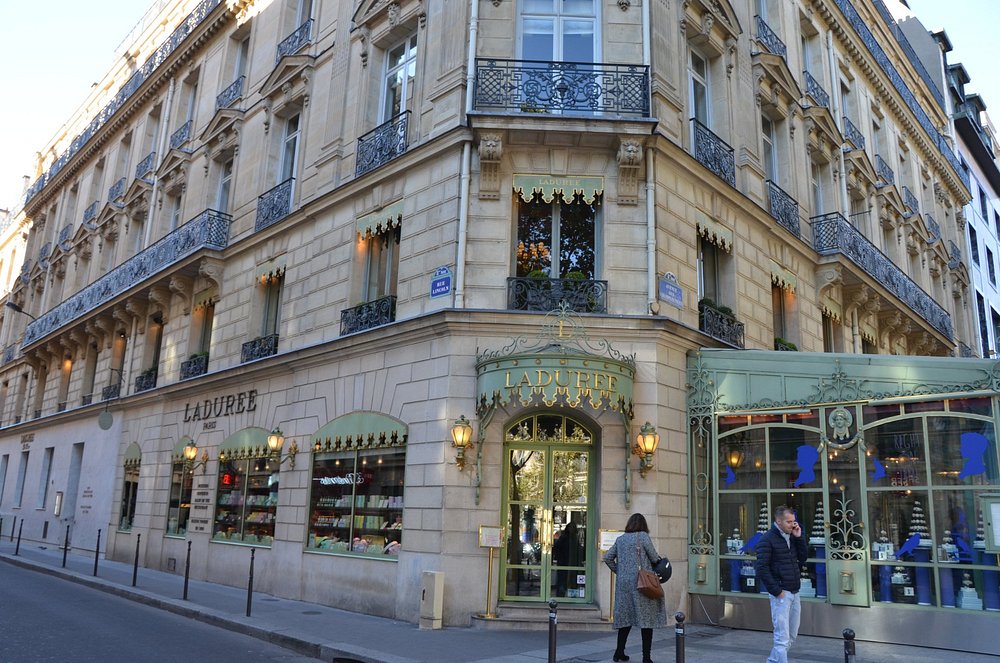
Walking into these shops feels like entering two different worlds. Ladurée wraps you in Belle Époque luxury—gilded mirrors, velvet chairs, the works. Pierre Hermé’s boutiques go modern, with clean lines and bold displays that put the macarons front and center.
Ambiance at Ladurée’s Tea Salons
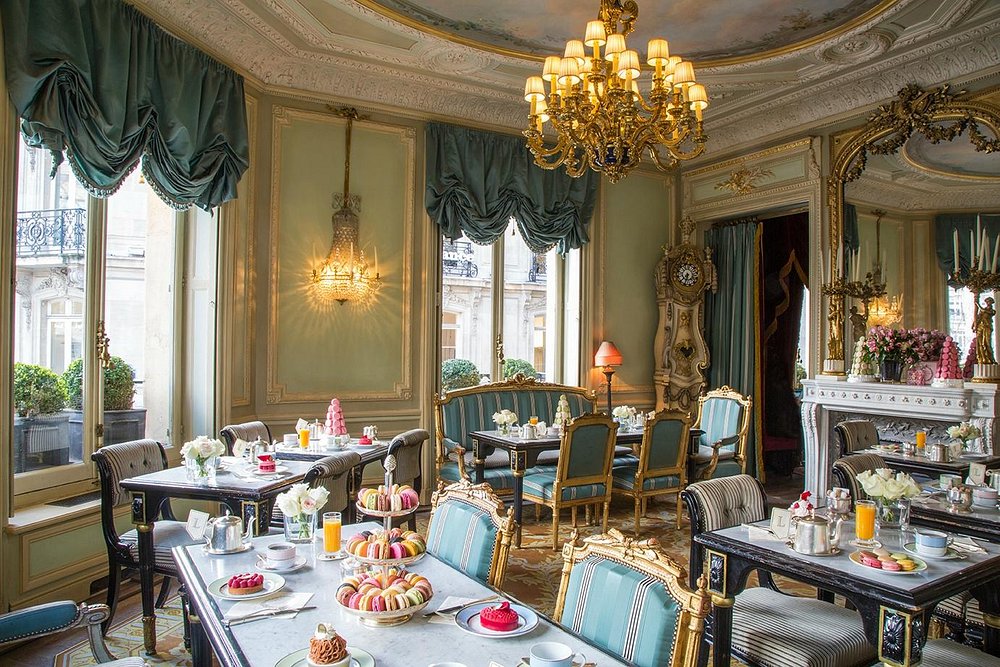
Step into Ladurée and you’re instantly in 1862 Paris. The original shop has ornate ceilings, crystal chandeliers, and those pastel green boxes stacked everywhere.
Their tea salons let you settle in and soak up Parisian café culture. Order their legendary hot chocolate with your macarons—it’s so thick, it practically coats the spoon. The Champs-Élysées spot even has a dessert bar where you can watch pastry chefs work their magic.
But, fair warning: the atmosphere draws crowds. Lines get long, especially during tourist season.
The staff speaks several languages, which helps, but service can feel a bit rushed when it’s packed. If you’re staying in Paris a few days, try going early to beat the crowds.
The Sleek Modern Pierre Hermé Boutique
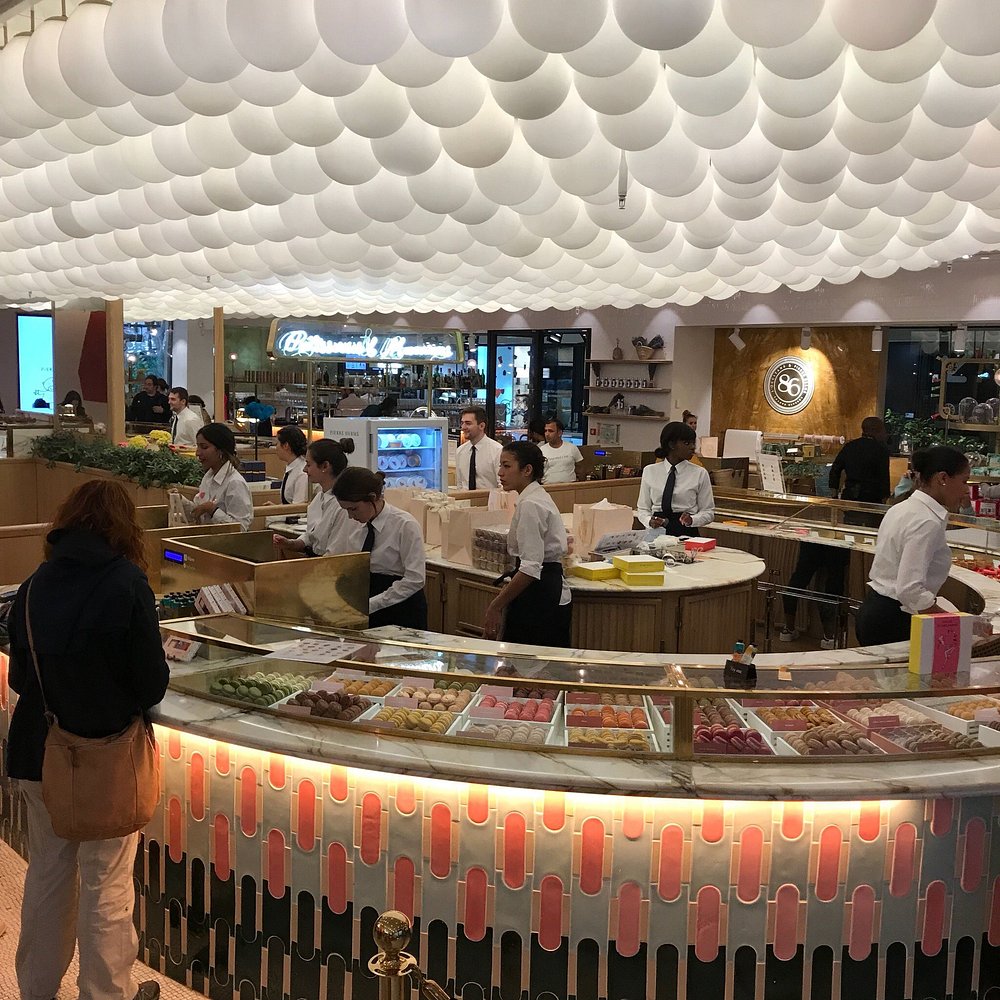
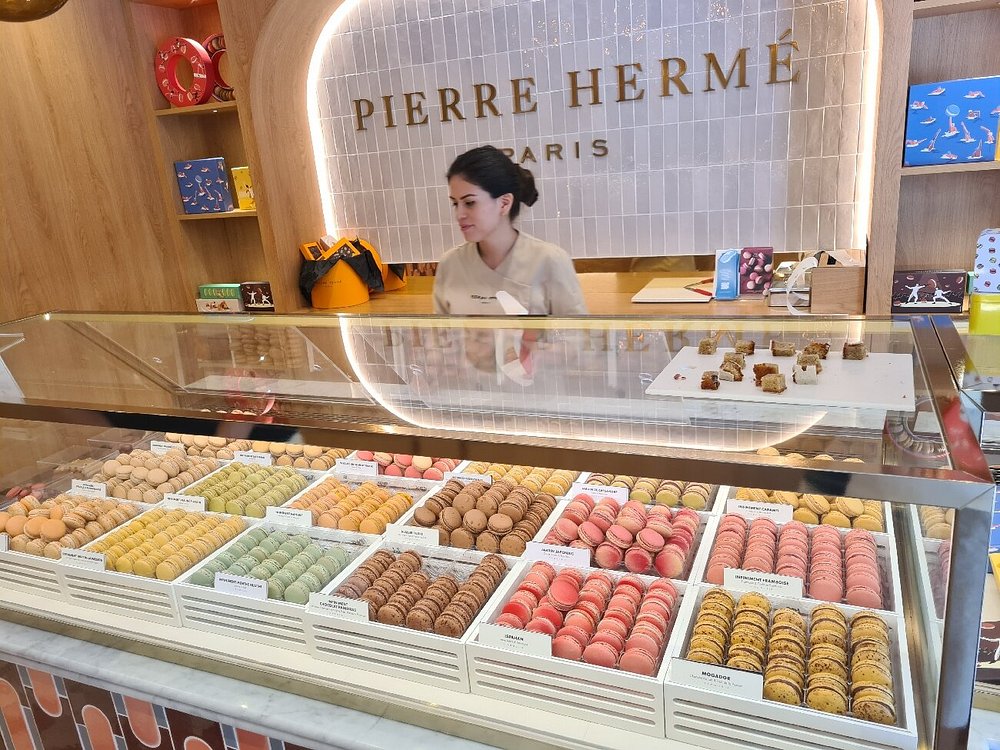
Pierre Hermé keeps things simple. His Rue Bonaparte boutiques ditch the frills and let the macarons shine in glass cases, almost like a gallery.
The shops feel more personal than Ladurée’s salons. There’s no table service—just a counter, where the staff happily explains seasonal flavors. I’ve noticed they’ll often let you sample, especially if you’re eyeing their wilder creations.
The packaging is modern too—sleek boxes in browns and oranges, not the pastel ribbons. Some folks miss the romance, but if you care more about flavor than wrapping, you’ll like the straightforward style.
Iconic Locations: Champs-Élysées and Rue Bonaparte
Both brands have flagship stores that are worth a visit, even if you’re not buying. Ladurée’s Champs-Élysées boutique spans several floors and has a winter garden that feels straight out of a painting. It’s touristy, sure, but also totally Instagram-worthy.
Pierre Hermé’s Rue Bonaparte shop sits right in Saint-Germain-des-Prés, surrounded by art galleries and cafés. The area’s quieter and feels more like real Paris. Grab a box and you can stroll to Luxembourg Gardens in minutes.
Both spots get crowded in the afternoons. Want to avoid the chaos? Head over around 10 AM—locals are at work, and the shelves are freshly stocked.
Comparing Macaron Craftsmanship: Texture, Ingredients, and Technique
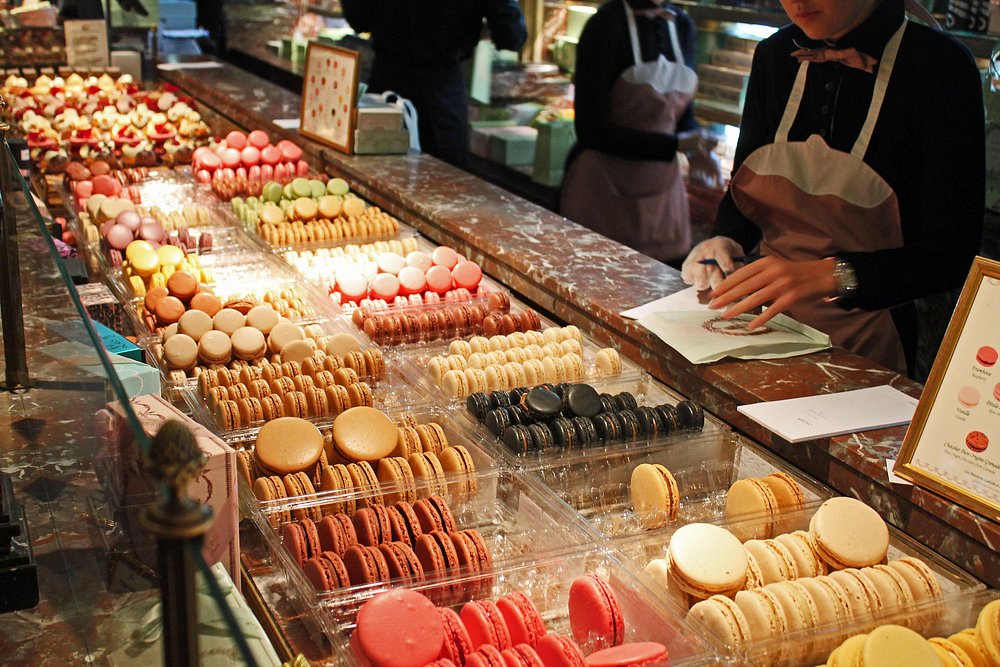
The real difference between these two Parisian legends is all about how they make their macarons. Both use top-notch ingredients and careful methods, but their takes on texture and presentation couldn’t be more different.
Ingredient Quality and Sourcing
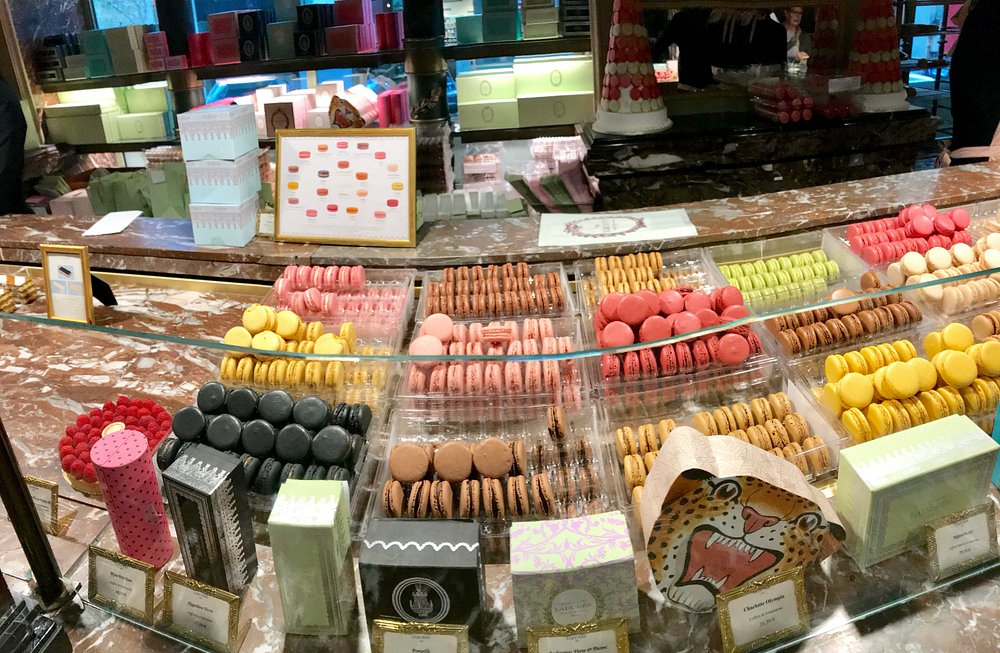
Both shops start with excellent almond flour for their shells. But honestly, the fineness of that almond flour changes everything.
Ladurée grinds their almonds super fine, which gives their shells that signature delicate, melt-in-your-mouth feel. Their classic French meringue recipe has been around for over 150 years, and they whip those egg whites to perfection—no shortcuts.
Pierre Hermé, on the other hand, tweaks the sugar in his almond meringue, and you can taste the difference. He goes wild with his ganache fillings—passion fruit, olive oil, spices you’d never expect. I’ve seen tourists bite into his Mogador macaron and just light up, because who expects chocolate and passion fruit to work so well?
Innovations in Baking Technique

Ladurée focuses on consistency. Walk into any location, and you’ll get the same shell whether you’re in Paris or Tokyo. That’s no accident—it takes serious technical skill.
They fold their meringue just the right number of times, and always let the shells rest before baking so you get that smooth top and those ruffled feet.
Pierre Hermé likes to adjust his technique for each filling. If he’s working with a wet ganache, he’ll build a sturdier shell that won’t go soggy. He lets his macarons mature longer so they soak up flavor and moisture without falling apart.
His shells have more chew, and that’s on purpose. It makes the creamy, generous fillings stand out even more.
Consistency and Presentation
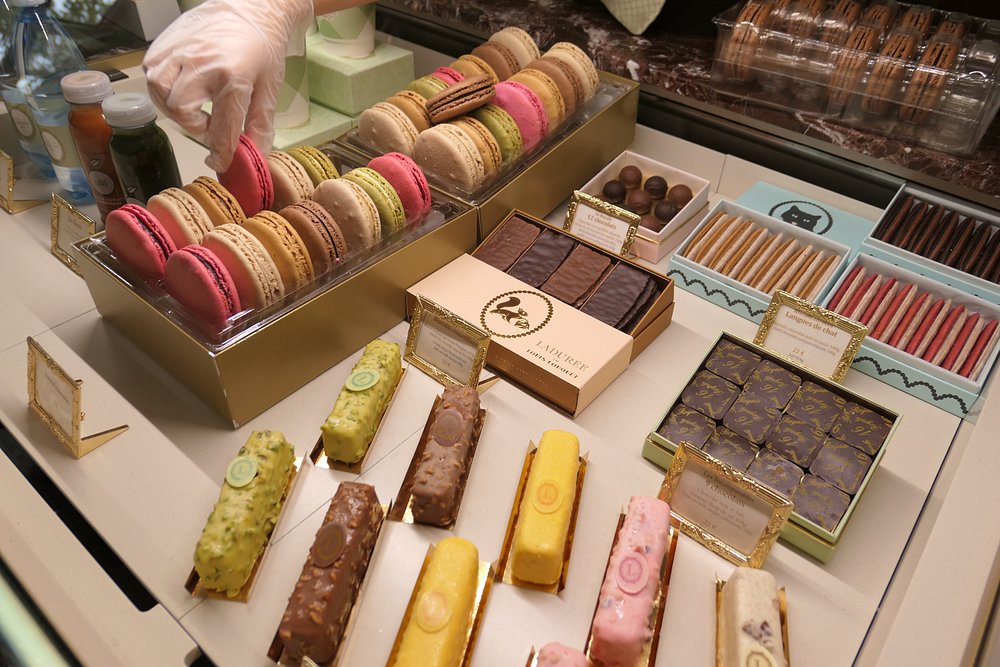
Ladurée’s macarons look almost identical, every single time. The shells are the same size, the colors are gentle pastels, and they fit perfectly in those famous pale green boxes.
You’re paying for that kind of reliability. If you loved the pistachio last year, it’ll taste the same this year.
Pierre Hermé’s macarons are a bit bigger and feel more substantial. The packaging is sleek and modern, like something you’d find at a jewelry store. His seasonal flavors change constantly, so you never know what you’ll discover on your next visit.
There’s still plenty of consistency, but he leaves room for surprises. Honestly? That’s half the fun.
Signature Flavors and Seasonal Surprises
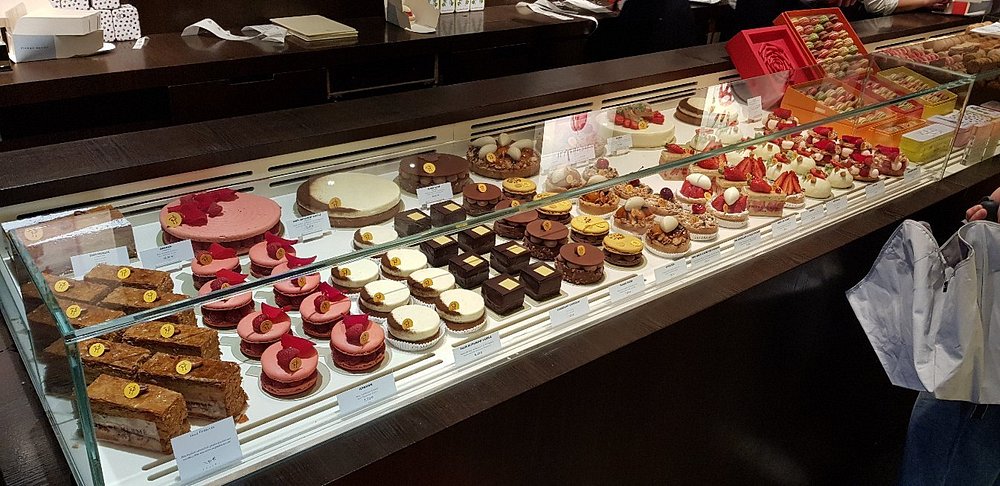
Both pâtisseries protect their classic recipes but aren’t afraid to experiment. Ladurée sticks to tradition and refines it, while Pierre Hermé is all about bold, unexpected pairings that stretch what a macaron can be.
Ladurée: The Classics Reinvented
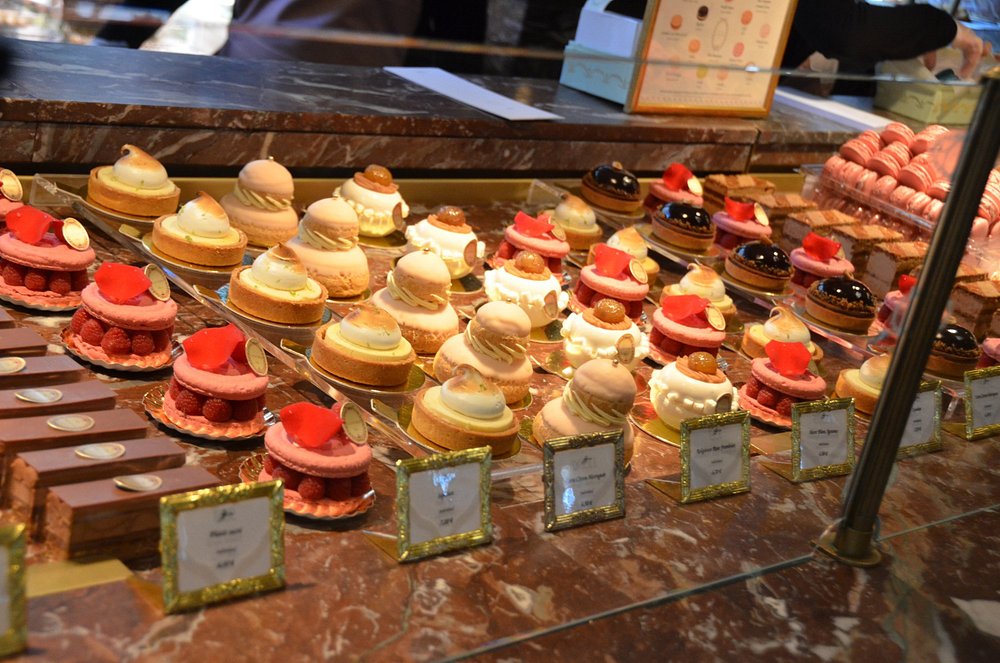
Step into Ladurée and you’re tasting history. Their rose macaron is still the star—delicate, floral, and somehow subtle at the same time. It’s easy to see why it made them famous.
The pistachio macaron tastes like real nuts, no weird fake green color. Their vanilla macaron uses actual Madagascar beans, so it’s got a depth you just don’t find in the supermarket. And the chocolate macaron strikes this perfect balance between bitter and sweet.
But they don’t just coast on tradition. They keep tweaking the classics, dialing in sugar levels or texture. You might not notice the tweaks, but your tongue will. Their caramel macaron now has a touch of fleur de sel, which wasn’t there years ago and honestly, it just works.
Pierre Hermé: Flavor Innovation and Ispahan
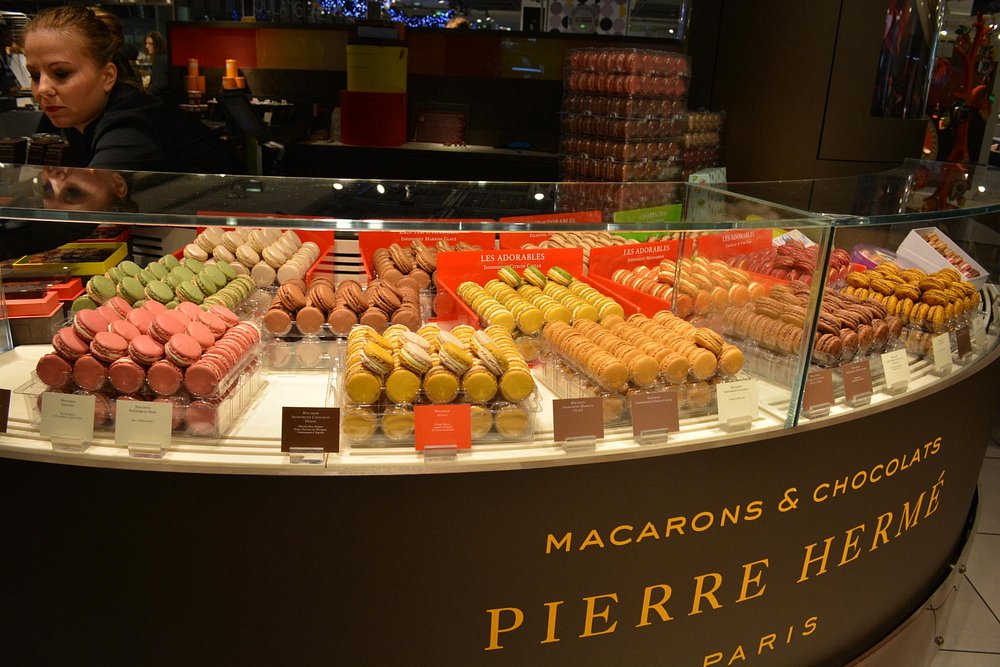
Pierre Hermé got the “Picasso of Pastry” label for a reason—he breaks rules. His Ispahan macaron mixes rose, lychee, and raspberry. Sounds odd, right? But somehow, it just clicks.
The Ispahan isn’t just his bestseller; it’s a standard for creative pastry flavors everywhere. Fresh raspberries and lychee inside those rose shells create textures and flavors Ladurée doesn’t even try for.
His salted caramel macaron is saltier than most, and yeah, some people find it too much—but that’s the point. Hermé wants to surprise you. He’ll even do olive oil and vanilla, or go savory. Why not?
Seasonal and Limited-Edition Offerings
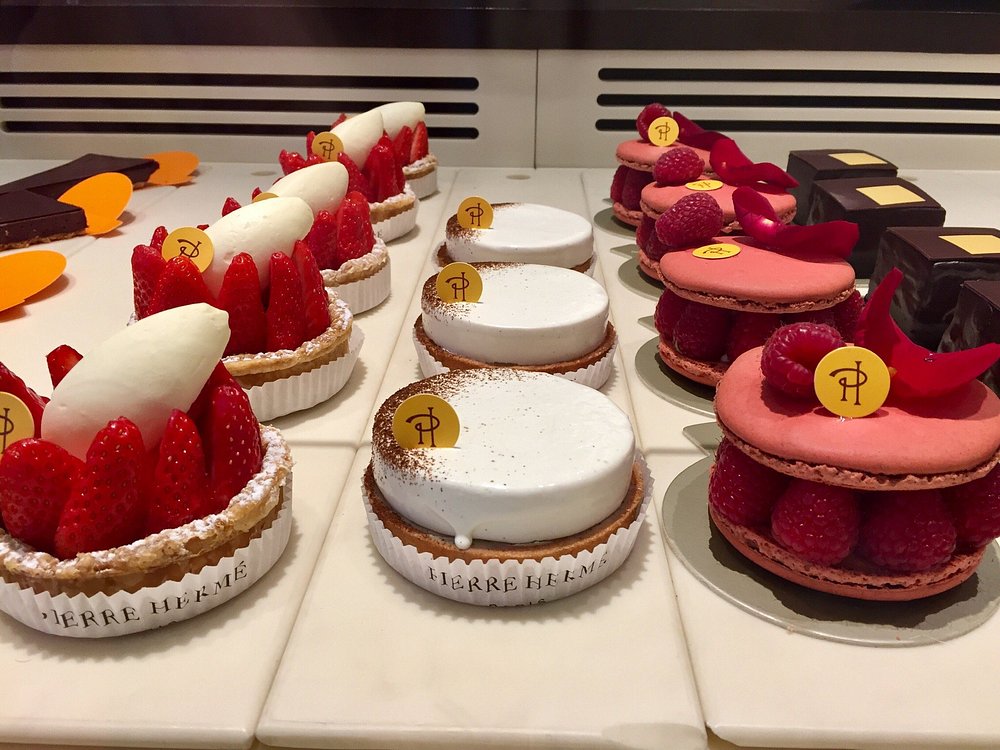
Both shops drop seasonal collections that vanish as quickly as they appear. Ladurée’s spring flavors lean floral—lavender, cherry blossom—while their holiday boxes bring in spices and extra chocolate.
Pierre Hermé treats seasonal flavors like a big deal. In autumn, you might get chestnut cream or fig, but blink and you’ll miss them. I’ve literally seen people buy out entire boxes to freeze at home.
One thing to watch: Pierre Hermé’s seasonal macarons cost 20-25% more than his usual flavors, while Ladurée’s are about 15% higher. If you’re only in Paris once, skipping these feels like a mistake.
Personalized Flavor Experiences

Ladurée lets you customize boxes for big orders, picking from their regular lineup. You can mix and match for gifts, which is great if your friend hates rose but loves pistachio.
Pierre Hermé goes a step further. At some shops, like Rue Cambon, you can join guided tastings where staff explain how flavors work together (or don’t). It’s more than just buying a box—you actually learn something.
Both now offer gluten-free options for select flavors, though it depends on the shop. Pierre Hermé’s a bit ahead on dietary choices, but don’t expect a full menu.
See Related: Off the Beaten Path Things to do in Paris
Price, Packaging, and Parisian Gifting
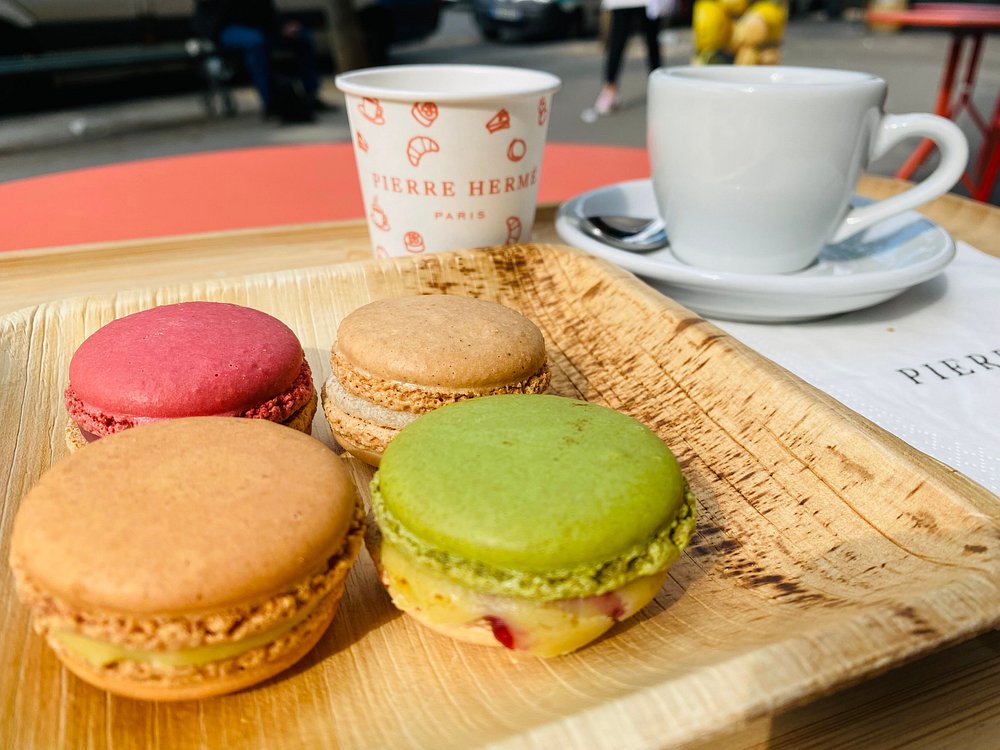
Both charge premium prices for their macarons, but you’ll spot differences in value and how they wrap everything up.
Price Points and Value
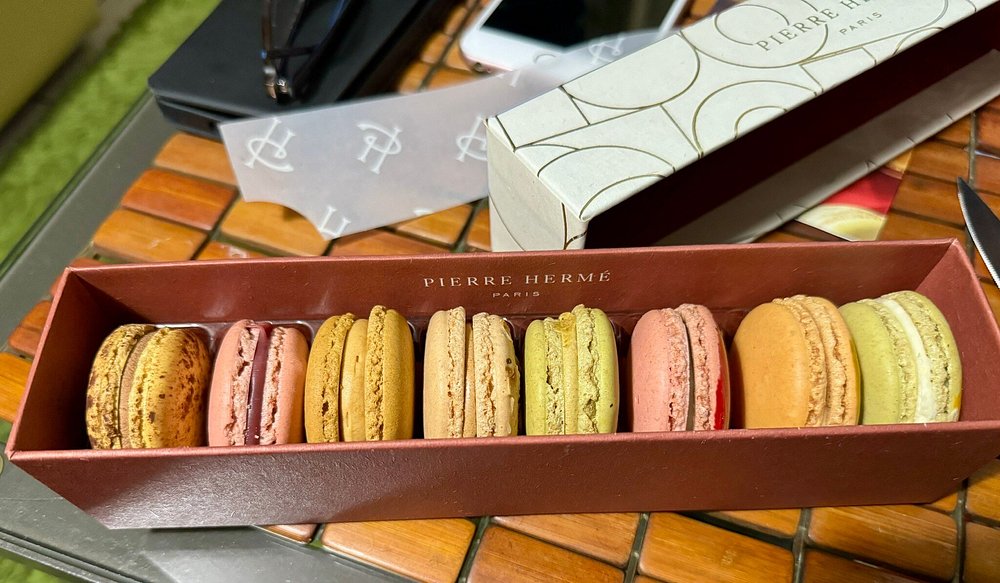
A box runs about €23–€25 at either place, but Pierre Hermé gives you a couple fewer macarons for the same price. So, he’s a bit pricier per piece.
Singles go for €2.50 to €3 each at both. If you’re counting coins, Ladurée’s boxes give you more for your money.
But honestly, the price gap isn’t huge. You’re really paying for the name and the experience. And if you’re in Paris, don’t stress over a euro—just pick what sounds best to you.
Boutique Boxes and Takeaway Bags
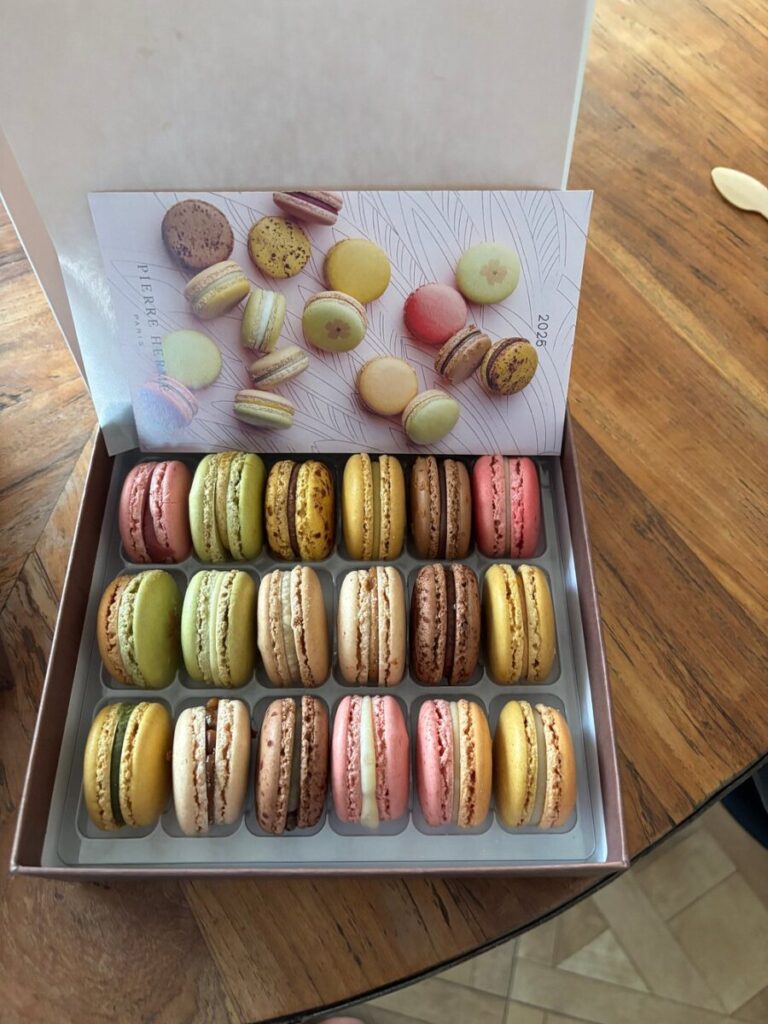
Pierre Hermé’s packaging just feels sturdier and smoother than Ladurée’s. He uses tougher materials for his round boxes, which helps if you’re carrying them all day.
Ladurée’s pastel boxes are instantly recognizable and ooze old-school Parisian charm.
Both wrap things up beautifully, but Pierre Hermé’s boxes are a bit more modern and tough. If you’re hauling macarons across town, that extra protection can be a lifesaver.
Souvenir Appeal and Instagram Worthiness
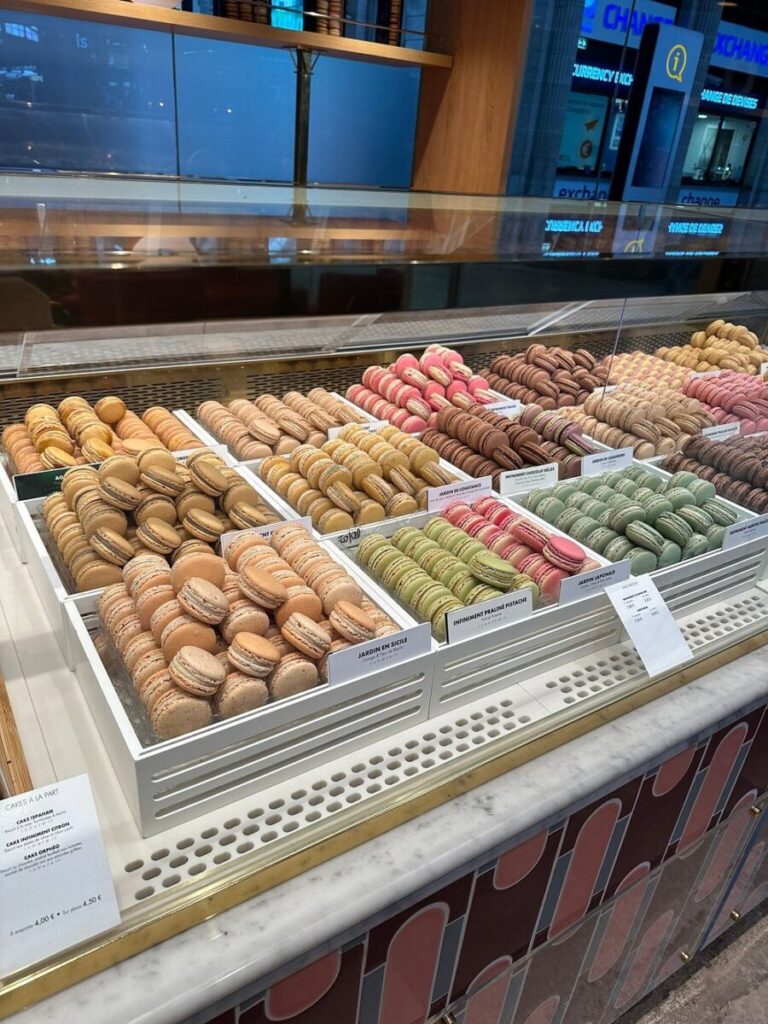
Let’s be honest—Ladurée’s Champs-Elysées shop is packed because it’s so photogenic. Those pastel boxes look amazing in Paris photos.
Pierre Hermé’s macarons stand out with cocoa powder, nuts, or even silver dust on top. The thicker ganache layers really pop in pictures.
Your friends will recognize Ladurée’s branding right away—it’s pure Parisian luxury. Pierre Hermé is more of a foodie’s secret, not quite as mainstream (yet).
Insider Tips for Tasting and Transporting Macarons in Paris
If you want to really enjoy a French macaron—and keep it from falling apart while wandering Paris—you’ll need a little care and some practical know-how. These delicate treats aren’t exactly grab-and-go snacks.
How to Taste Like a Local
Start with lighter flavors, like vanilla or pistachio, before moving to the bolder ones. That way, your taste buds can pick up the subtle stuff before the chocolate or coffee takes over.
Take a small bite and let it sit on your tongue. Notice the crisp shell, the chewy inside, the creamy ganache, and how the sweetness plays with the other flavors. A good macaron should crack softly, not shatter.
Don’t rush through the box. I made that mistake once—ate four in a row and couldn’t remember what the second one tasted like. Slow down, take breaks, and drink some water between flavors.
Temperature makes a difference. Let refrigerated macarons warm up for about 10 minutes before eating.
The filling softens, the flavors come alive. If you’re comparing Ladurée and Pierre Hermé side by side, this trick really shows off their differences in texture and taste.
Keeping Macarons Fresh on the Move
Always carry your macaron box flat. Tilt it even a little, and those fragile shells will bump around and crack. Trust me, it takes just one sharp turn to ruin the whole batch.
Heat just ruins macarons. On warm days, they turn sticky and limp in no time.
If you’re planning to explore Paris with macarons in tow, ask the shop for a tiny ice pack or stash them in an insulated bag. When it’s chilly out, you barely have to worry—cold air keeps the shells crisp.
Eat them within 24 hours for the best texture. Wait longer and the shells soak up moisture from the filling, losing that signature crunch.
If you have to keep them a bit longer, pop them in an airtight container in the fridge for up to three days. Just let them warm up to room temp before you dig in—they taste way better that way.
Metro rides? Totally doable as long as you keep the box steady and steer clear of rush hour. I once watched a tourist’s whole box get flattened in a packed car during the evening commute. Not a sight I’d like to see again.
See Related: How to Get Around Paris: Effortless Navigation Tips
Frequently Asked Questions
Both patisseries have die-hard fans, and honestly, it comes down to shell texture, flavor complexity, and what kind of macaron experience you want.
What are the distinct differences between Ladurée and Pierre Hermé macarons?
The first thing you’ll notice is the shell. Ladurée macarons have lighter, more delicate shells that practically melt away. Pierre Hermé’s are chewier and a bit denser, so they hold together better.
Ladurée leans sweet and sticks to the classics—rose, pistachio, vanilla, salted caramel. They’re kind of the gold standard for traditional Parisian macarons.
Pierre Hermé gets creative with more complex flavor combos. His Ispahan macaron blends rose, raspberry, and lychee, while the Mogador pairs milk chocolate with passion fruit. The flavors are less sugary, more layered—you taste a little adventure in every bite.
The ratio of shell to filling sets them apart too. Pierre Hermé usually goes heavier on the filling, while Ladurée keeps things more balanced.
How do the prices of Ladurée macarons compare to those of Pierre Hermé?
Prices are pretty close at both places. Ladurée charges about €2.80 to €3.20 per macaron, while Pierre Hermé ranges from €2.90 to €3.50 each.
Pierre Hermé boxes come with a couple fewer macarons than Ladurée for roughly the same price. For €23 to €25, expect Pierre Hermé to include about two less than Ladurée does.
Neither spot is cheap, but you’re paying for top-notch ingredients and real artistry. Honestly, the price difference is so small you should just pick whichever flavors call to you instead of sweating over a euro or two.
Can you find Ladurée macarons outside of Paris, and if so, where?
You can absolutely find Ladurée outside Paris. They’ve branched out to other French cities and all over the globe.
There are shops in London, Geneva, and across Europe, plus U.S. locations in New York, Los Angeles, and Miami.
They’ve opened in Asia too—Tokyo, Hong Kong, Dubai. Still, there’s something magical about picking up a box in Paris, right where it all began.
You can even order Ladurée macarons online in some countries, but honestly, it just isn’t the same as walking into one of their gorgeous boutiques.
Which brand offers a larger variety of macaron flavors, Ladurée or Pierre Hermé?
Pierre Hermé definitely takes the prize for variety and creativity. His menu shifts with the seasons, and he’s always dreaming up new flavor mashups.
Ladurée sticks to a smaller, classic lineup—pistachio, chocolate, vanilla, rose, salted caramel. They do roll out seasonal flavors, but their core menu doesn’t change much.
Pierre Hermé’s menu is more adventurous than Ladurée’s. He’s into flavor experiences, not just single-note tastes—think olive oil and vanilla, or white truffle and hazelnut.
If you want to try something totally unexpected, go to Pierre Hermé. If you crave the perfect classic, Ladurée never disappoints.
Between Ladurée and Pierre Hermé, which is generally considered to have the best macaron in the world?
Honestly, there’s no clear answer here—maybe that’s what keeps the debate interesting. Both patisseries sit at the top of the macaron world.
The choice between them comes down to personal preference more than anything else. Ladurée pretty much set the standard for the classic French macaron, and they’ve been at it since the 1860s. If you want tradition, you can’t go wrong here.
Pierre Hermé, on the other hand, gets called the “Picasso of Pastry” for a reason. People in the food world rave about his creativity and technical flair—he’s always pushing boundaries with new flavors.
If you ask me, just try both and see what you think. Some folks absolutely swear by Ladurée, while others are die-hard Pierre Hermé fans.
You might even end up liking certain flavors from each. Isn’t that the real fun of it? Honestly, you win either way if you’re tasting both.
Find Things to Do in Paris
Find Accommodation

Continue Planning Your Paris Trip
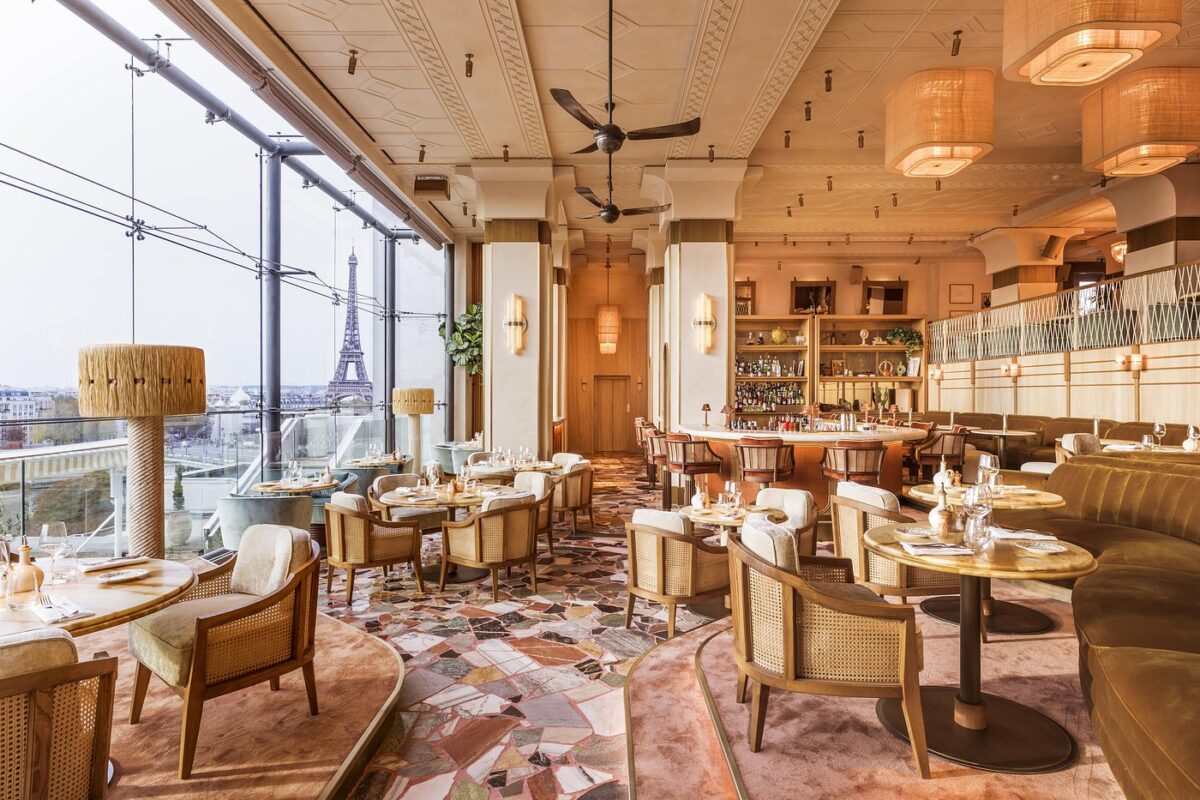
Gigi vs Girafe: The Ultimate Showdown for Food Lovers
Gigi or Girafe for a stylish Paris night? Chic Italian on a lively rooftop versus refined French seafood…
Read Guide →
Top 10 Coffee Shops in Paris for Your Perfect Brew
Ten of the coziest coffee shops in Paris for your perfect brew, from hidden-alley espresso bars to cafes…
Read Guide →
How to Book a Table at a Bouillon Restaurant Without Waiting in Line: Insider Paris Tips and Secrets
Bouillon restaurants serve cheap classic French food, but the lines are brutal. How to book a table online…
Read Guide →