
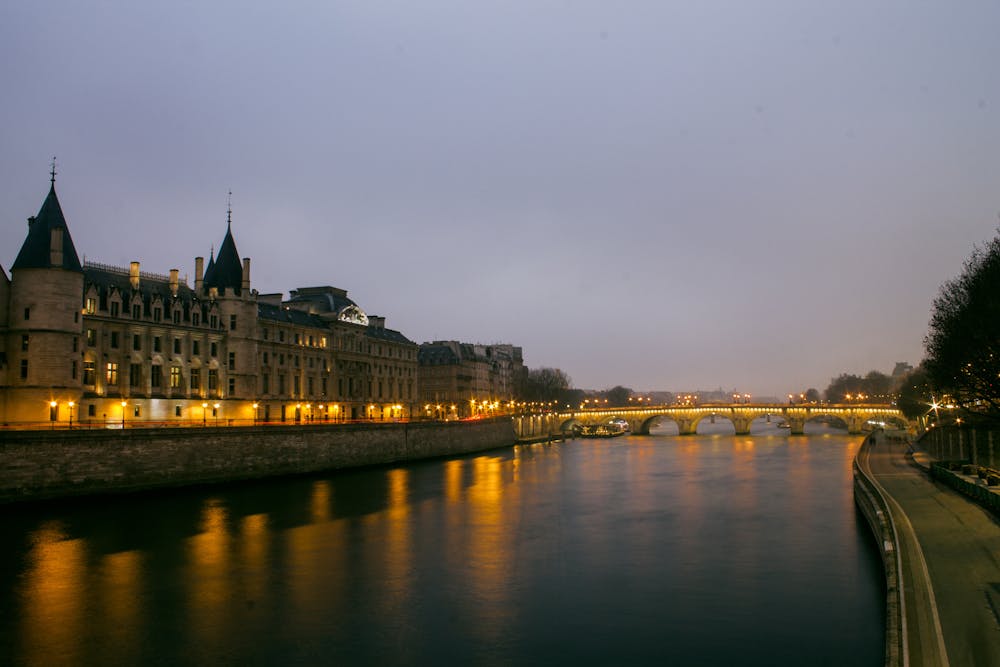
Most guidebooks treat the Conciergerie as just another stop on your Paris checklist. Sure, they’ll mention Marie-Antoinette’s cell and maybe nod to the French Revolution. But the really grim stuff? That’s usually left out. The Conciergerie locked up over 4,000 people during the Revolution, with about half executed, but honestly, the daily misery inside those dark corridors was just as horrifying. Torture happened in the Bonbec tower, and the desperate conditions prisoners endured tell a story that’ll make your skin crawl—definitely not the stuff of cheery walking tours.
I’ve wandered the Conciergerie plenty of times, and every visit uncovers something nastier about its past. This medieval fortress, once home to French kings, morphed into a death machine during the Reign of Terror. Most tours skip over the fact that prisoners got sorted by wealth—those with money slept in beds, the rest got straw on stone floors. Everyone’s heard about Marie-Antoinette’s last days there, but honestly, the narrow cells and endless corridors saw so much more pain than guidebooks ever admit.
The building hides its secrets well. That gorgeous Gothic hall you’ll see? Guards used to watch over prisoners there, waiting for their turn at the guillotine. After King Charles V bailed in the 14th century—spooked by his father’s murder inside these walls—the place spiraled into centuries of imprisonment, torture, and death. Most visitors have no clue.
Key Takeaways
- The Conciergerie imprisoned over 4,000 people during the Revolution with half being executed
- Prisoners faced vastly different conditions based on wealth, with the poor suffering on straw floors while the rich had beds
- The building’s transformation from royal palace to prison began after a king’s murder in 1358
What Guidebooks Don’t Reveal About the Conciergerie
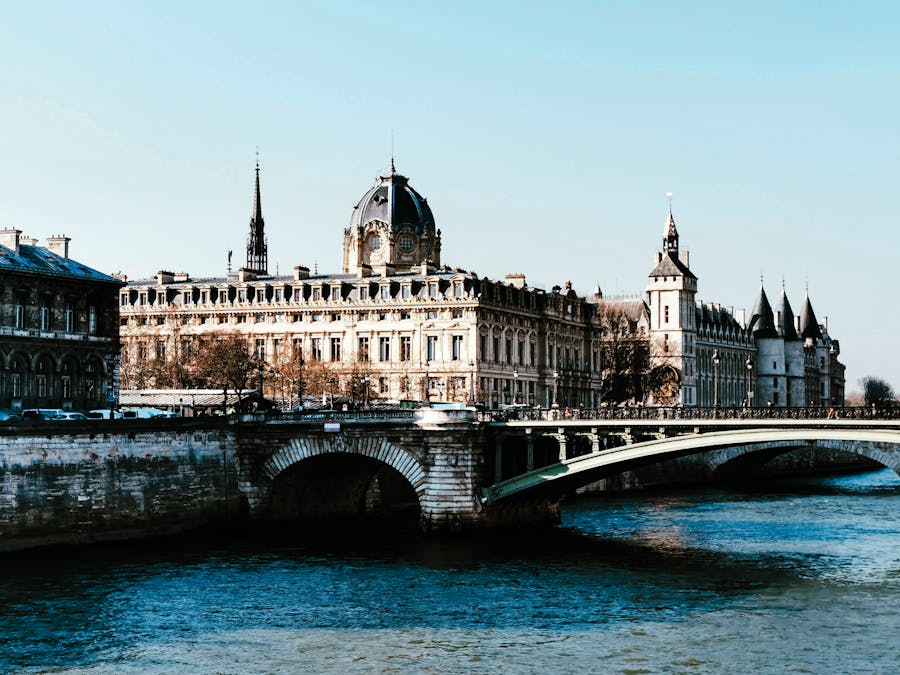
Tourist guides usually gloss over the brutal reality inside the Conciergerie, where your money decided if you’d suffer in comfort or rot in misery. The true scale of pain and injustice rarely makes it into those glossy brochures.
Untold Tales of Injustice and Inequality
The Conciergerie ran on a ruthless class system most folks never hear about. If you had cash, you bought yourself a private cell with a bed, maybe a desk, even writing paper. Poor? You got tossed into the pistole cells with a crowd of desperate strangers.
The poorest landed in the pailleux quarters—just filthy straw in damp, disease-ridden cells. Rats everywhere. The smell? Unimaginable, honestly.
Here’s what money got you at La Conciergerie:
- Rich prisoners: Private cells, beds, candles, visitors
- Middle-class prisoners: Shared cells with basic bedding
- Poor prisoners: Straw on stone floors, total darkness, no privacy
Even at the guillotine, your social status haunted you. The executioner charged more if you were wealthy. Not exactly the heroic revolutionary justice people like to imagine, right?
Behind the Prison’s Walls: Everyday Horrors
The day-to-day misery inside the Conciergerie ran deeper than most visitors realize. Prisoners didn’t just wait for trial—they tried to survive in conditions meant to break them.
Disease spread fast. Typhus, dysentery, tuberculosis—many died before ever reaching the guillotine. The prison sat right on the Seine, so lower cells flooded often, leaving inmates wading in dirty water.
Guards shook prisoners down for everything. Need a blanket? Pay up. Want to send a letter? That’ll cost you. Even using the less disgusting toilets meant bribing someone. And women? Their ordeal was even worse, though most records barely hint at it.
During the Terror, over 2,700 people passed through on their way to execution. Trials lasted minutes. Sometimes you’d be condemned in the morning and hauled off to Place de la Concorde by afternoon.
Why So Much Remains Hidden
Tourism boards love to focus on Marie Antoinette’s story—it’s dramatic, easy to sell. But talking about mass suffering and cruelty? Not exactly brochure material, and it doesn’t fit the dreamy Paris vibe.
The building itself hides a lot. In the 19th century, renovations softened the prison’s look. They even turned Marie Antoinette’s cell into a memorial chapel, erasing the real horror visitors might have felt.
Most of the original Conciergerie still works as law courts. You can’t even see the worst areas—maybe 20% of the old prison is open to tourists.
And honestly? France’s feelings about the Revolution are still pretty tangled. It’s tough to celebrate liberty and equality when you have to admit that the Revolution devoured its own through a system just as unfair as the old one. That’s a hard story to tell between selling croissants and Eiffel Tower trinkets.
Transformation From Royal Palace to Infamous Prison
The Conciergerie’s shift from royal palace to one of France’s most feared prisons happened slowly, leaving behind bits of architecture that still hint at its double life.
Origins: The Palais de la Cité Legacy
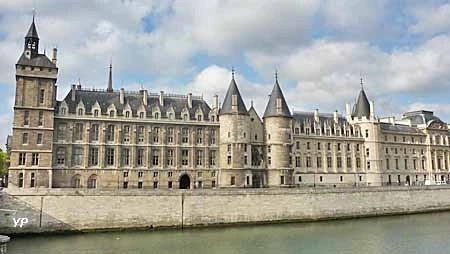
Walking along the Île de la Cité today, you’re literally on the old stomping grounds of French royalty. Clovis, the first French king, set up shop here in the 6th century. But Philip the Fair, in the 1300s, really turned the Palais de la Cité into something grand.
Philip wanted everyone to know he was in charge. He built a palace that was, for its time, one of Europe’s finest. It had everything—grand halls, offices, living quarters that screamed wealth and power.
The royal family lived there until Charles V decided he’d had enough of the place and moved to the Louvre at the end of the 14th century. That move changed the palace’s fate for good.
Architectural Features Concealing a Grim Past
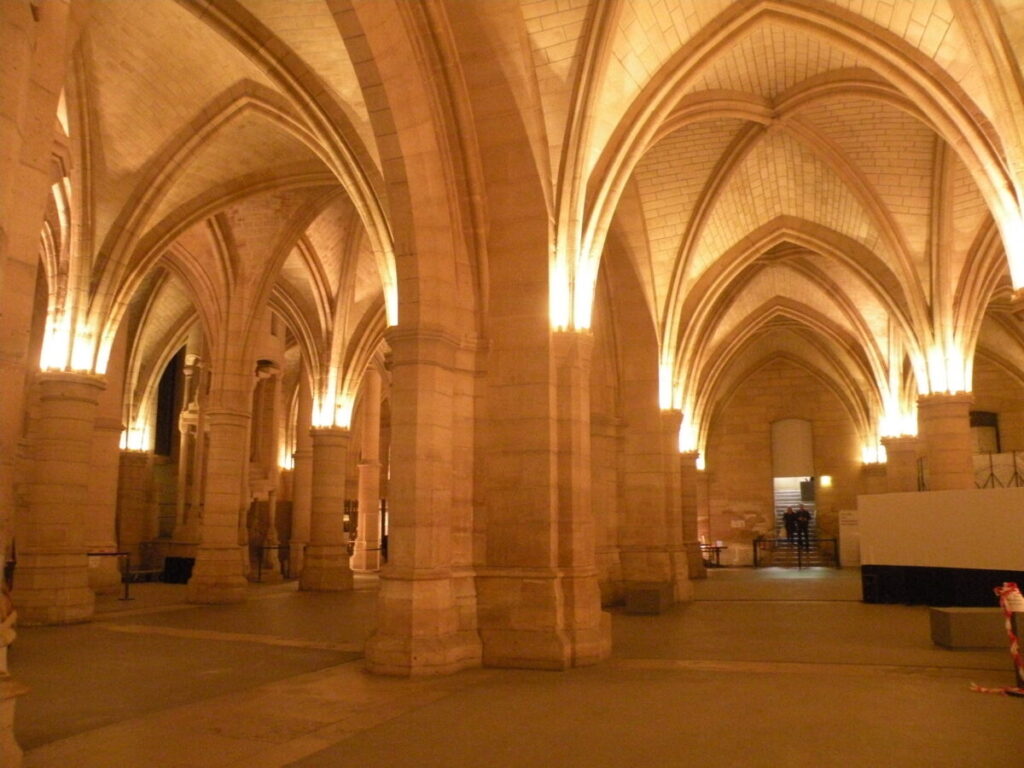
You can still spot pieces of the medieval palace that survived all the chaos. The Salle des Gens d’Armes is one of the largest medieval halls left in Europe. It’s impressive, with vaulted ceilings that once hosted royal banquets.
Three towers stand out, each with its own story:
- The Silver Tower – once held the royal treasury
- The Caesar Tower – named for Roman emperors
- The Bonbec Tower – home to a torture chamber (the name means “good beak,” a dark joke about making prisoners “sing”)
These features weren’t built for punishment. They were about protection and showing off. But their thick walls and hidden corners made them perfect for what came later.
Conversion and Expansion Into a Prison
After Charles V left, a new administrator took over—a concierge, which is where the Conciergerie gets its name. The prison era began in 1391, when they started locking up both regular criminals and political prisoners.
Wealthy inmates could buy comfort in the old royal rooms—beds, furniture, decent food. The poor? They got shoved into dark, rat-infested dungeons.
Part of the complex became the Palais de Justice, and it still houses courts today. The judicial offices and prison ran side by side for centuries. That meant prisoners could be tried, sentenced, and locked up all under the same roof—a system that hit its brutal peak during the Revolution.
Inside the Prison: Cell Conditions and Hidden Suffering
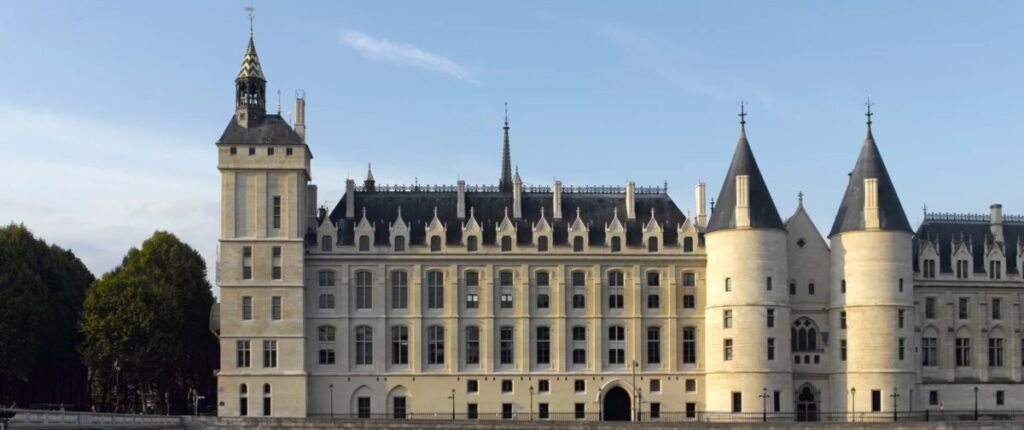
Behind the Conciergerie’s Gothic facade was a two-tiered system where survival depended on your wallet. The wealthy bought their way into semi-decent cells, while the poor literally piled on top of each other in vermin-ridden dungeons.
The Wealthy Versus the Destitute: Prisoner Classes
If you had money during the Terror, you could rent a private or semi-private cell with a bed, a table, maybe a chair. Not luxurious, but at least you weren’t in the thick of it downstairs.
Most prisoners—just regular Parisians caught in the revolutionary chaos—lived in hell. An official inspector during the Revolution wrote about finding 26 men crammed on 21 straw mattresses in one room. Another room? 45 men, 10 pallets.
The conditions prisoners faced don’t make it into most guidebooks. In one tiny space, 14 men fought for 10 mattresses. Four had nowhere to lie down at all. The inspector said he “recoiled with horror” and shuddered while writing his report.
Women didn’t fare better—54 female prisoners took turns sleeping on 19 mattresses or just stood all night to avoid suffocating each other.
Life in the Oubliettes: Paris’s ‘Forgotten Ones’
The word “oubliette” comes from oublier—to forget. And that’s what happened to prisoners dropped into these underground cells at the Conciergerie.
These weren’t just dark rooms. They were vertical shafts where you’d be lowered and left to die—no trial, no date, just slow starvation or madness. No hope of daylight again.
The oubliettes were the prison’s darkest secret—people could disappear with no record. Guillotine victims at least had their names written down, but the forgotten ones? They just vanished.
You won’t hear much about them on Paris tours. But if you walk through the Conciergerie and feel a chill in certain spots, you’re probably standing near where these chambers once swallowed people whole.
The Real Marie Antoinette Cell Experience
Marie Antoinette didn’t spend her last days in some grand chamber at the Conciergerie. After her arrest, she landed in a small, damp cell—about 12 by 9 feet. Not exactly royal treatment.
Her cell had a folding screen for what little privacy she could get, a basic cot, a chair, and a table. Guards never left her alone—not even when she used the chamber pot or changed clothes. Two gendarmes stood inside her cell around the clock. Imagine trying to sleep with that.
When the Carnation Plot failed in September 1793—a royalist tried to bust her out—authorities moved her to an even tinier, more secure cell. The expiatory chapel that Louis XVIII later built honors her, but it totally glosses over the humiliation she endured.
What you see now labeled as “Marie Antoinette’s cell” is really just a recreation. The original was destroyed and rebuilt. Still, they got the general spot right—she was held in that part of the building, near the Women’s Courtyard.
Daily Routines Under Lock and Key
Your day at the Conciergerie began with chimes marking the slow crawl of time, broken up by howling watchdogs at night. Jailers stomped from cell to cell with death warrants, their voices waking prisoners at random hours.
Here’s something I didn’t expect: women prisoners still clung to their daily routines. Comte Beugnot, one of the rare survivors, described how women showed up each morning in carefully arranged négligée, went upstairs at midday to change, and came back down in a fresh outfit for evening. It’s almost defiant, isn’t it?
They’d gather around the courtyard fountain (it’s still there) to wash, bleach, and dry their one garment. Not even a writ of accusation could pull them away from these rituals. Beugnot said the courtyard “resembled a flower-bed studded with flowers, but encircled with iron.”
The Guard Room by the Women’s Courtyard was loud day and night. Men sang together to steel their nerves before execution. Dogs barked, women gossiped, guards barked orders. Scissors waited for the last haircut before the guillotine.
The Conciergerie During the Reign of Terror
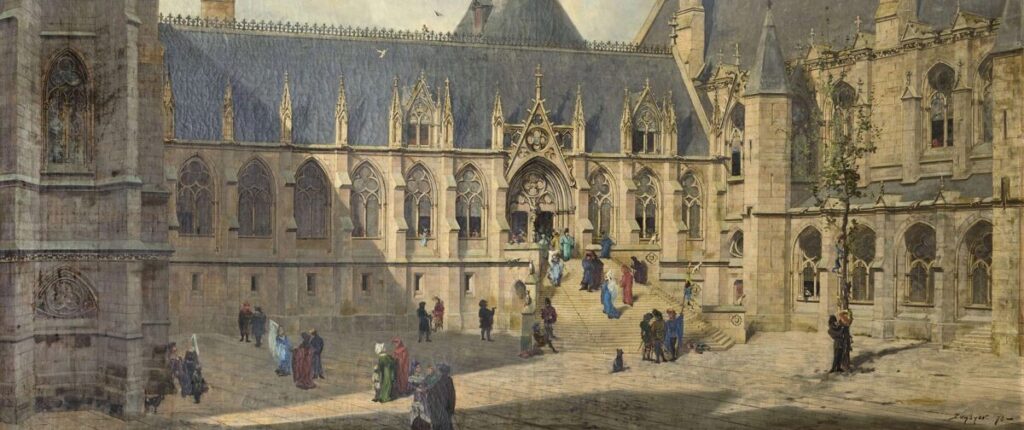
Between 1793 and 1795, the Conciergerie morphed into something far darker than a regular prison. It became the last stop for thousands, earning its grim nickname as the antechamber of death.
Role in the Revolutionary Tribunal
The Revolutionary Tribunal ran its operations inside the Conciergerie, turning what used to be a royal palace into a factory for revolutionary justice. This wasn’t a court in any sense you’d recognize. The tribunal ran with chilling efficiency, burning through hundreds of cases a month.
Judges took their seats in the Grand Chamber, deciding prisoners’ fates in trials that sometimes lasted just minutes. Defense lawyers? Pretty much a formality. The tribunal assumed guilt, not innocence, and acquittals were so rare they made news.
During the Reign of Terror, over 4,000 prisoners went through the Conciergerie between 1793 and 1795. Most were charged as “enemies of the Revolution,” which could mean anything—criticizing the government or just having the wrong enemy.
Procession to the Guillotine: The ‘Antechamber of Death’
Once the tribunal handed down a verdict, prisoners knew what was coming. Guards loaded the condemned onto wooden tumbrils for the ride through Paris to the Place de la Révolution.
The Conciergerie got its “antechamber of death” nickname because it was the final stop before execution. You’d spend your last hours in a cell, listening for the carts that came each day for the next batch of condemned.
Crowds lined the streets during these grim processions. Some jeered, some stood in stunned silence as friends or neighbors rolled by.
The ride to the guillotine took about 45 minutes. Prisoners sat with hands tied, facing backwards so they couldn’t see what awaited them. Guards rode along, making sure there were no last-minute escapes.
Famous Prisoners: Robespierre, Danton, and Beyond
Marie Antoinette spent 76 days in a cell here before her execution in 1793. She wasn’t the only one. Georges Danton, a leader of the Revolution, ended up imprisoned by the very system he’d helped build. His crime? Calling for moderation—bad timing, apparently.
And then there’s Maximilien Robespierre. He sent thousands to their deaths, but after his own arrest in July 1794, he landed in the Conciergerie for just a few hours before heading to the guillotine, jaw shattered from a failed suicide.
Robespierre barely had time to experience what his victims endured. Other notable prisoners: poet André Chénier, Madame du Barry (Louis XV’s mistress), and Charlotte Corday, who killed Marat. Each story adds another twist to how the French Revolution devoured its own, turning yesterday’s heroes into tomorrow’s villains.
Myths, Misconceptions, and the Stories You Won’t Hear on Tour
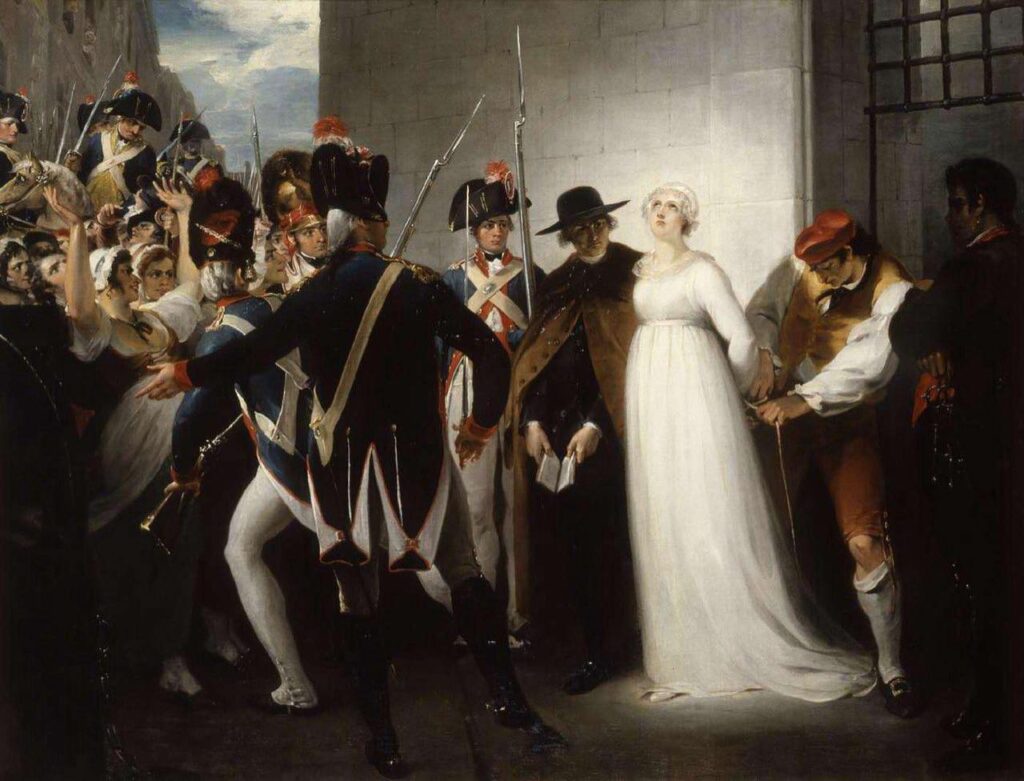
Tour guides love a juicy tale, but they often skip the messy bits that don’t fit the script. Marie Antoinette’s last hours weren’t as dramatic as you’ve been told, the Revolutionary Tribunal worked differently than most people imagine, and those ghost stories? Some are more believable than others.
False Legends of Marie Antoinette’s Final Days
You’ve probably heard Marie Antoinette’s hair turned white overnight from fear before her execution. It’s a great image, but it’s just not possible—her hair was already graying naturally when she arrived at the Conciergerie in August 1793.
The infamous “let them eat cake” line? She never said it. It’s one of history’s most stubborn myths with zero evidence to back it up.
Tours also love to exaggerate her cell conditions. They weren’t luxurious, but her first cell wasn’t a pitch-black dungeon either. She actually had two rooms at first, with guards posted inside. Only after a failed escape did they move her somewhere harsher.
The story about her stepping on the executioner’s foot and apologizing as her last words? That one’s true. But the bit about refusing a blindfold to show courage—eh, probably not. Most execution records from that era don’t even mention blindfolds.
Misunderstood Roles of the Revolutionary Court
The Revolutionary Tribunal at the Conciergerie didn’t just send aristocrats to the guillotine. Between 1793 and 1795, it actually acquitted about 40% of people in its early months. That changed during the Terror, but some folks still walked out alive.
Robespierre never actually sat on the tribunal. Sure, he influenced it, but he didn’t have an official judicial role. This common myth mixes up his political power with courtroom authority.
The tribunal’s judges weren’t all bloodthirsty. Some believed they were protecting France from real threats. Others just didn’t want to end up on trial themselves. And a few? Yeah, they liked the power trip.
Trials moved quickly—sometimes just a day or two from arrest to execution—but there were real legal proceedings. Defendants could speak, witnesses testified, and evidence (even if flimsy) got presented.
Urban Legends and Hauntings
The Conciergerie’s packed with ghost stories, and honestly, after everything that happened there, you’d expect a few restless spirits. Staff have reported odd things for years—footsteps in empty halls, cold spots, shadows where there shouldn’t be any.
People say Marie Antoinette’s ghost haunts her old cell. I’ve visited plenty of times and never seen her, but then again, I’m usually there during crowded hours, not midnight alone.
What bugs me about the ghost tours? They fixate on dramatic executions and ignore the prisoners who died slowly of typhus and other diseases in packed cells. Those deaths happened way more often than the guillotine, but they don’t make for a thrilling story.
The legend about tunnels connecting the Conciergerie to other revolutionary sites? Mostly made up. There are some medieval passages and drains, but nothing like the grand escape routes some guides describe.
Some visitors swear they hear whispers or crying near the women’s courtyard, where prisoners took their last bit of exercise. Maybe it’s acoustics, maybe imagination, maybe something else. The stone walls do bounce sound in creepy ways.
Conciergerie’s Forgotten Corners and Overlooked Neighbors
The Conciergerie isn’t alone—it’s part of a bigger medieval complex with some jaw-dropping neighbors and hidden corners most people zip past without noticing.
The Connection to Sainte-Chapelle and Palais de Justice
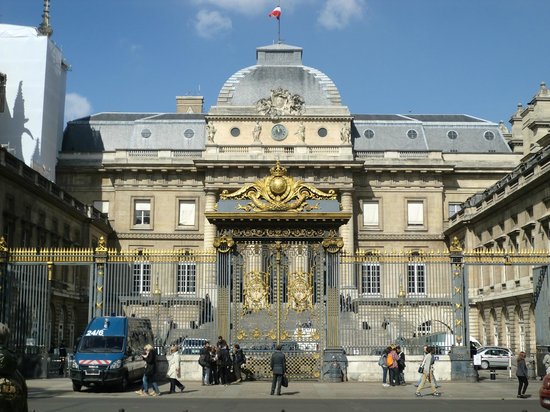
You’ll probably walk right by one of Paris’s most stunning buildings when you visit the Conciergerie. The Sainte-Chapelle was part of the same palace, built by King Louis IX in the 1200s to house relics.
Most guidebooks barely mention that these buildings shared courtyards, corridors, and staff. Prisoners in the Conciergerie sometimes heard mass being celebrated just a few meters away in the chapel’s lower level. The contrast? Brutal—soaring stained glass on one side, dank cells on the other.
The Palais de Justice still serves as France’s supreme court. When the kings left the palace in the 1300s, they left a “concierge” in charge of judicial stuff. That’s where the name comes from. You can see bits of the old palace if you attend a public trial, though security’s tight now.
The Châtelet: A Sister of Dark Histories
Here’s something guidebooks never bring up: the Conciergerie had a sister prison called the Châtelet on the Right Bank until 1802. It was probably even worse for conditions and cruelty.
The Châtelet took in common criminals while the Conciergerie got political prisoners during the Revolution. Torture was routine at the Châtelet—official until 1780. When they finally tore it down, Parisians celebrated losing a symbol of medieval brutality.
Today, Place du Châtelet sits where the prison once stood. There’s a fountain and a theater, but no plaque for the thousands who suffered there. Paris has a habit of erasing some of its darkest places while keeping others alive.
Secret Rooms and Restricted Spaces
Even after you pay admission to the Conciergerie, you’re only seeing maybe half the place. The Palais de Justice still keeps chunks of the old medieval structure for its own offices and storage—so there’s a whole world behind closed doors.
Underground passages snake from the Conciergerie to other buildings on the Île de la Cité, but nobody’s let the public down there in ages. Some cells just stay sealed up, contents catalogued but never put on display. It makes you wonder what’s gathering dust in those forgotten corners.
Flood markers on the columns in the Hall of the Guards tell their own story. In 1910, the Seine rose so high, prisoners would’ve drowned if anyone had still been locked in the lower cells. By then, though, the place had already shifted from prison to monument.
Frequently Asked Questions
The Conciergerie hides layers of disturbing history most visitors never hear—torture chambers in medieval towers, prisoners listening in terror as workers built guillotines just outside their cells. The atmosphere still feels heavy, even now.
Walking through the Conciergerie, you’re actually in what used to be one of Europe’s grandest royal residences. Philip the Fair built it back in the early 1300s to show off his power and wealth.
But here’s something guidebooks usually skip: the Bonbec Tower hid a torture chamber during the palace’s royal days. “Bonbec” means “good beak” in French—a grim joke about how prisoners would “sing” under torture.
The Silver Tower kept the royal treasury safe, and the Caesar Tower took its name from Roman emperors. These weren’t just for show—they were real working spaces where medieval justice did its thing, mostly in the dark.
When Charles V and the Capetian Kings moved out to the Louvre and Vincennes, they didn’t just leave this building behind. They turned it into something darker, putting a Concierge in charge who held legal and police power over the whole city. The place shifted from palace to power center, but not in a way anyone would envy.
How did the transformation from royal residence to a place of incarceration affect the structure and spirit of the Conciergerie?
The conversion to a prison in 1391 created a twisted system where your cell depended entirely on your wallet. Wealthy prisoners got the former palace rooms with proper beds and daylight, while common thieves were thrown into dark, rat-infested dungeons.
It’s wild to think about—the same halls where kings once held court became places where the poor slept on moldy straw surrounded by vermin. The grand architecture stuck around, but its purpose got flipped on its head.
Today, you can spot traces of both lives in the building. Medieval stonework and those big, echoing Gothic halls sit right next to cramped cells with iron bars. It’s like two worlds sharing the same address, and neither one really fits anymore.
Are there any chilling tales from the Conciergerie’s time as a Revolutionary Tribunal headquarters?
The French Revolution turned the Conciergerie into a grim waiting room for death. More than 2,700 prisoners waited here before heading to the guillotine.
The Revolutionary Tribunal ran its operations inside the building, so prisoners could hear their own trials through the walls. Imagine being stuck in your cell, listening to strangers decide if you’d live or die. That’s a kind of psychological torture all its own.
Marie Antoinette spent her last five weeks here in a converted cell. But tours rarely mention how the prison conditions shifted wildly depending on who you were and what you could slip the guards.
Some prisoners listened to the sounds of guillotines being built outside. Others watched carts roll by, carrying former cellmates to their executions—knowing they’d probably be next. The air must’ve been thick with dread.
What are some of the obscured historical events that took place within the Conciergerie that many tours seem to overlook?
After the Revolution ended, the French government kept locking up high-profile prisoners inside the Conciergerie. Even Napoleon III landed there for a while, though most guides just breeze past that detail.
The building got a major facelift in the mid-19th century, and honestly, this part’s wild: they turned Marie Antoinette’s cell into a chapel. It’s like someone tried to scrub away the horror by slapping on a holy label. Strange choice, right?
The Conciergerie kept operating as an active prison all the way up until 1914. That’s over 500 years—five centuries—of misery and confinementpacked into one place.
Supposedly, at the start of the 20th century, a writer spent long nights at the Conciergerie, poking through dusty archives and chasing after lost truths. Whatever he uncovered in those papers? Nobody’s ever really told the whole story.
Find Things to Do in Paris
Find Accommodation

Continue Planning Your Paris Trip
Promenade Plantée Walk: Paris’ Unique Elevated Garden Adventure
Paris has a ton of famous walks, but the Promenade Plantée still feels like one of the city’s…
Read Guide →
Exploring Libertine Saunas: A Beginner’s Guide
New to Paris's libertine saunas and going on your own? A beginner's guide to which venues welcome single…
Read Guide →
Visiting the Louvre with Family: To Upgrade or Not to Upgrade?
Is the 15-euro Amis du Louvre family upgrade worth it when kids under 12 enter free? Why the…
Read Guide →