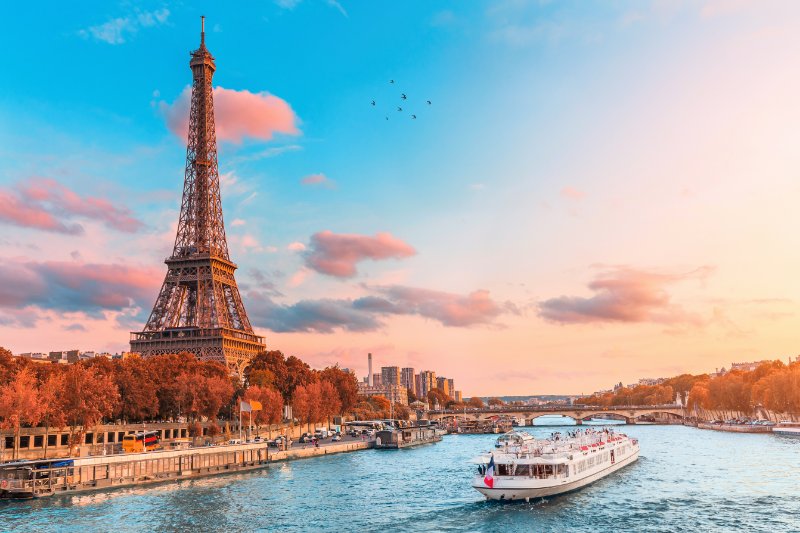
The Eiffel Tower is one of the most iconic monuments in the world – if not the most iconic. It stands tall over Paris, France, and is a symbol of French culture and history.
It is also one of the most visited tourist attractions in the world, drawing roughly seven million visitors from all over the globe every year! But have you ever wondered exactly where it is located? Let’s explore its location and learn more about its history.
History

Gustave Eiffel built the Eiffel Tower for the 1889 Exposition Universelle to celebrate the 100th year anniversary of the French Revolution. Designed as the centerpiece of the 1889 World’s Fair, the Tower was meant to commemorate the French Revolution’s centennial and show off France’s modern mechanical prowess on a world stage.
The Eiffel Tower was built from 1887 to 1889 by French engineer Gustave Eiffel, whose company specialized in building metal frameworks and structures. On the 31st March 1889, the Tower was finished in record time – 2 years, 2 months, and 5 days – and was established as a veritable technical feat.
During its construction, the Eiffel Tower surpassed the Washington Monument to become the tallest human-made structure in the world, a title it held for 41 years until the Chrysler Building in New York City was finished in 1930.
The tower was constructed using 18,038 pieces of wrought iron and 2.5 million rivets. Its height is 324 meters (1,063 ft), weighing 10,100 tonnes. This iconic Parisian landmark attracts nearly 7 million visitors annually, making it the most visited paid monument in the world.
Timeline of History
Year | Event |
|---|---|
1887 | Construction begins on the Eiffel Tower |
1889 | Construction completed; tower opens to the public during the International Exposition |
1909 | Tower almost dismantled after the initial 20-year permit expires |
1914 | Eiffel Tower becomes a military radio tower during World War I |
1925 | Tower used as a giant advertising billboard by Citroën |
1930 | Becomes the world’s second-tallest structure after the completion of the Chrysler Building |
1985 | Lighting system installed by Pierre Bideau |
1999 | Officially designated a UNESCO World Heritage site |
2020 | Temporarily closed due to COVID-19 pandemic |
2024 | Scheduled to feature in Paris Olympic Games celebrations |
Why was the Eiffel Tower built?

The Eiffel Tower was built in 1889 for the International Exposition, a “World’s Fair” type event held in Paris to celebrate the 100th anniversary of the French Revolution. The intention was to create a monument that would symbolize progress in engineering and architecture while also bringing people worldwide together in celebration.
Gustave Eiffel and his team designed and constructed what is now known as one of the most iconic structures ever created — an iron lattice tower that stands more than 300 meters tall (the equivalent of 984 feet). They used more than 18,000 wrought iron beams connected with 2.5 million rivets to build it! It took them two years to complete the project, with construction concluding just before the Expo opened its doors on May 6th, 1889.
See Related: Things To in Paris on Bastille Day: A Comprehensive Guide
Not just any Old Iron
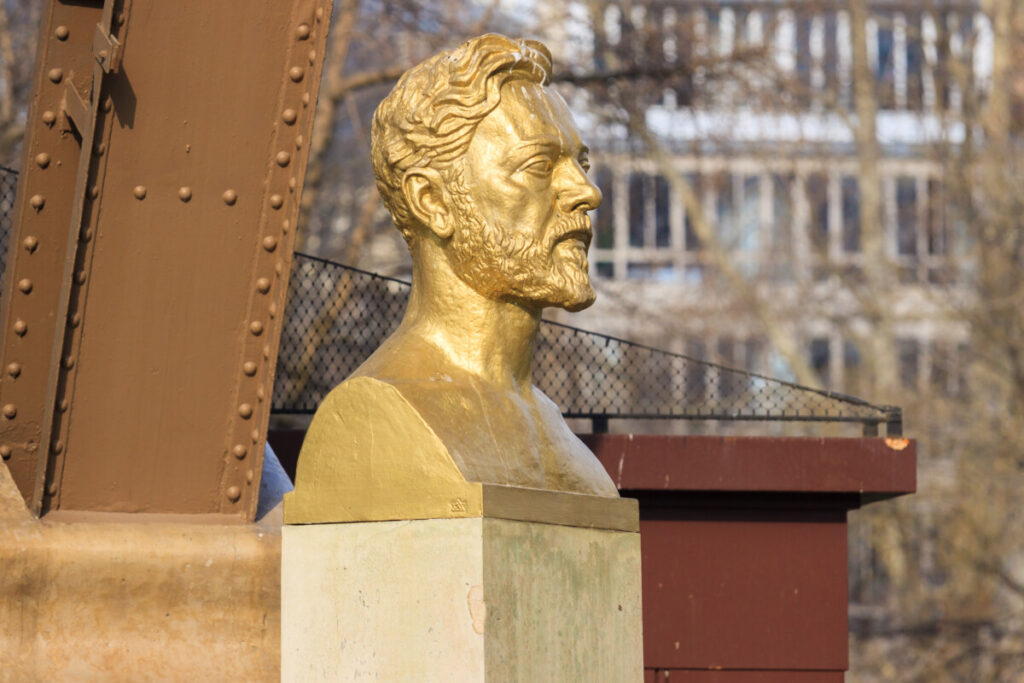
At first glance, it may seem like an odd decision to build such a massive, intricate, decorative structure out of iron — but there were some compelling reasons for doing so. One was that iron allowed for greater structural stability than other materials available at the time; another was that because it wasn’t as heavy as stone or concrete, it allowed for taller buildings without putting too much strain on their foundations.
Next, since wrought iron had been used successfully for bridges throughout Europe for centuries before this project, Gustave Eiffel felt confident that he could pull off such a monumental task using this material— and he did!
Lastly, it was also a savvy marketing decision. Eagerness to prove the ease of construction and durability of his wrought iron lattice to promote his construction business was perhaps the largest inspiration for this mighty metal marvel.
But beyond practical considerations, there were also cultural implications to consider when designing and constructing such an iconic structure — namely, how would people receive it worldwide?
The answer to this question came when thousands of visitors flocked to see it during its opening ceremony; not only did they marvel at its sheer size, but they also admired its intricate design features (like its four crisscrossing arches). The tower was a hit, and its place was cemented in French history and culture.
See Related: Top Paris Restaurants with a View of the Eiffel Tower
What is it used for today?

These days, millions of tourists flock to see the Eiffel Tower each year — making it one of Paris’s top attractions. However, aside from being a tourist destination, it is also home to some unique events throughout the year.
For example, every New Year’s Eve, there is a spectacular fireworks display from atop its summit; every summer, free concerts are held in its shadow, and during major sporting events, fans gather here wearing their team colors and proudly waving flags!
Beyond these special occasions, though, visitors still come here just to take photos or admire its beauty—and who can blame them? After all these years, we still find ourselves captivated by what once seemed impossible: building an immense, intricate structure out of wrought iron!
The Eiffel Tower continues to be an incredible symbol of progress in engineering and architecture—not just in France but worldwide, too! Its construction more than 130 years ago marked a turning point in our capability to build large structures out of something other than stone or concrete — showing us all just how far modern technology can take us if given enough time and effort.
See Related: When is the Best Time to Visit Paris?
Location
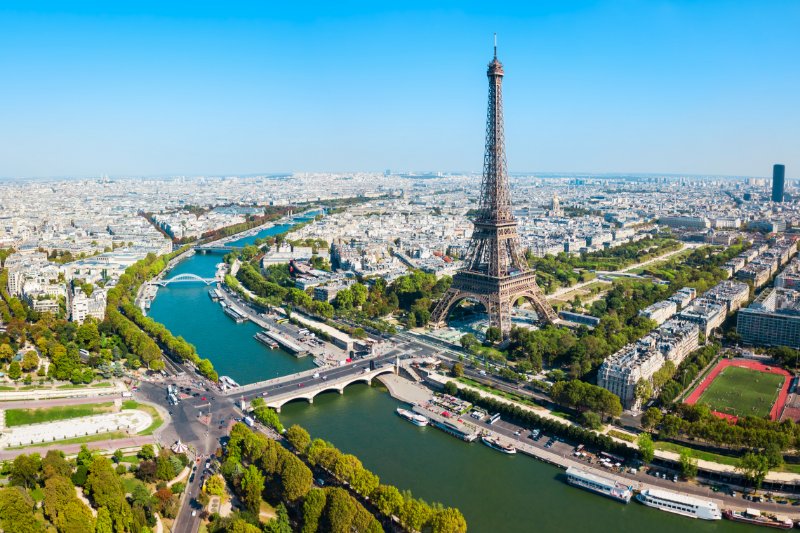
The Eiffel Tower is located in Paris, France. It stands on Champ de Mars (Field of Mars), an area that spans from Trocadéro to Quai Branly in the 7th arrondissement of Paris. It’s situated near the banks of the River Seine between Trocadéro Gardens and Quai Branly Museum.
When you visit the Eiffel Tower, you will find three levels to explore: The first floor features an observation deck at 157 meters (515 feet) high with sweeping views over Paris; the second level features another observation deck at 276 meters (906 feet) high, and finally, there is a panoramic Champagne bar on top at 324 meters (1,063 feet).
See Related: Best Boat Tours in Paris, France
Eiffel Tower Tickets: An overview
If you’re looking to visit the Eiffel Tower in Paris, there are a few things you need to know. First, tickets are required and can be purchased online or at the tower.
There are several different Eiffel Tower ticket options, so choose the one that best suits your needs. Finally, the tower is open year-round, but hours of operation vary depending on the season.
Be prepared for long lines. The Eiffel Tower is one of Paris’s most popular tourist destinations, and there can often be long waits to get into the tower. So make sure to arrive early and pack plenty of patience!
Ticket/Tour Option |
Description |
Link to Viator |
|---|---|---|
Eiffel Tower Access to 2nd Floor and Summit option with Host |
Admission ticket with host, allowing access to 2nd floor and summit option |
|
Eiffel Tower Access to 2nd Floor and Summit Option with Host |
Access the Eiffel Tower with summit access, accompanied by a host |
|
Eiffel Tower Tour Reserved Entry Ticket: 2nd Floor and Summit |
Guided tour with knowledgeable guide, including admission tickets and lift access |
|
Eiffel Tower Guided Tour by Elevator 2024 |
Guided tour with summit access option, admission tickets, and lift access included |
|
Paris Eiffel Tower Guided Tour With Summit Access in English |
Guided tour of Eiffel Tower’s first and second tiers, with entrance fees and summit access included |
|
Eiffel Tower Access Tour to 2nd Floor with Summit Option by Lift |
Guided 1-hour tour of the Eiffel Tower’s 2nd Floor, with summit access option |
|
Eiffel Tower Paris Entry Ticket with Optional Live Guide |
Entrance ticket for the Eiffel Tower with optional Guided Tour |
See Related: Best Free Walking Tours in Paris, France
Interesting Facts about the Eiffel Tower
There are several interesting facts about this famous monument that many people may not know:
- The Eiffel Tower was originally only meant to be up for 20 years but proved so popular that it became permanent after World War I ended in 1919.
- The tower’s height changes depending on weather conditions since metal expands when hot and contracts when cold—it can grow as much as 15 cm!
- Since its inauguration more than 125 years ago, more than 300 million people have visited this iconic landmark, making it one of Europe’s most popular tourist attractions!
- During summer, when light pollution is low, you can see up to 40 kilometers away from atop the Eiffel Tower due to its height!
- At night, 20,000 bulbs light up, creating a stunning view for tourists and locals alike – what’s not to love?!
- While it’s okay to snap personal pics of the Iron Lady, it’s illegal to photograph the Eiffel Tower at night for commercial use! The reason is that the lights displayed on the tower at night are copyrighted by the artist who installed them in 1985, Pierre Bideau.
See Related: Most Famous Historical Landmarks in Paris
Attractions Near the Eiffel Tower in Paris
Attraction | Description | Distance from Eiffel Tower | Hours | Entry Fee |
|---|---|---|---|---|
Arc de Triomphe | Famous triumphal arch commemorating French victories | 2.2 km | 10 am – 10:30 pm | €13 |
Trocadéro Gardens | Beautiful gardens offering great Eiffel Tower views | 0.5 km | 24/7 | Free |
Avenue des Champs-Élysées | Iconic shopping street with luxury brands | 1.7 km | 24/7 | Free |
Paris Museum of Modern Art | Modern art museum with works by Picasso, Monet | 1.0 km | 10 am – 6 pm (closed Mon) | Free |
National Marine Museum | Marine-themed museum with diverse collections | 0.8 km | 10 am – 6 pm (closed Mon) | €12 |
Les Invalides | Complex with military museum and Napoleon’s tomb | 1.5 km | 10 am – 6 pm | €15 |
Arc de Triomphe
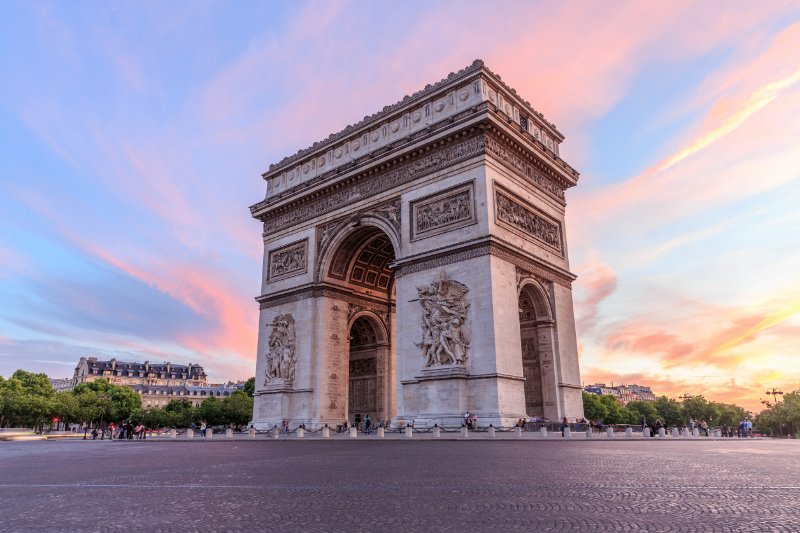
The Arc de Triomphe was built to commemorate the centenary of the 1815 Battle of Waterloo. The Arc de Triomphe is an imposing monument and is one of the world’s most iconic buildings. It was built by Napoleon’s architect, Georges Cuvier, in the center of Paris, France.
The Arc de Triomphe is the largest triumphal arch in the world. It is a place of historical significance and symbolizing France and the French Empire. The Arc de Triomphe is also one of the most visited monuments in the world.
See Related: Arc de Triomphe: Exploring the Iconic Paris Arch
Trocadéro Gardens
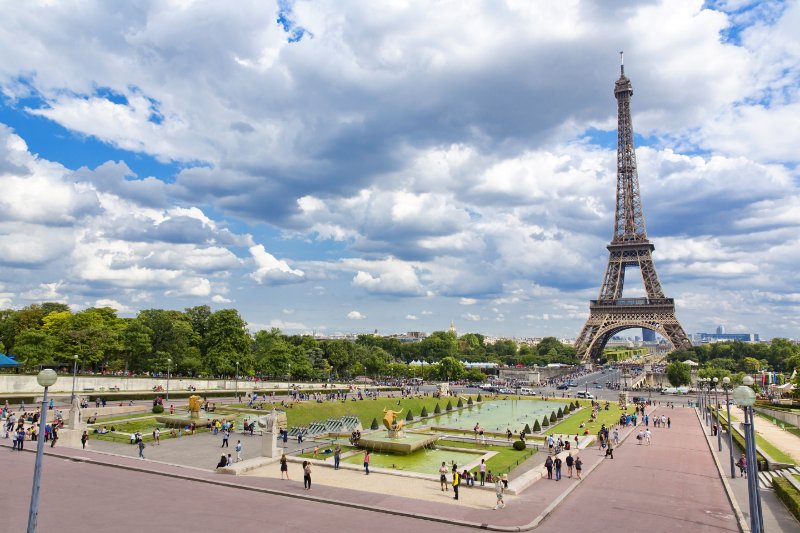
The Trocadéro Garden is one of the most famous parks in Paris. It is located in the 7th arrondissement of the city. The park is home to the Trocadéro Museum and the Palais de Chaillot. The Trocadéro is the highest point in Paris, and there are magnificent views of the city from here.
The Trocadéro is a short walk from the Champs-Élysées and is the site of the Paris Opera. The park is also home to the National Assembly and the Palais de l’Elysee.
The park is also home to the National Museum of Decorative Arts and the Musée de la Mode et du Textile. The museum is home to the Costume and Fashion exhibition, one of the biggest in the world. The exhibition explores the history of fashion from the ancient world to the present day. It contains over 4,000 original costumes from the museum’s collections.
The Musée de la Mode et du Textile contains the world’s largest fashion history collection and is home to the most important fashion collection from the 18th to the 21st Century.
See Related: Best Things to Do Near the Eiffel Tower
Avenue des Champs-Élysées
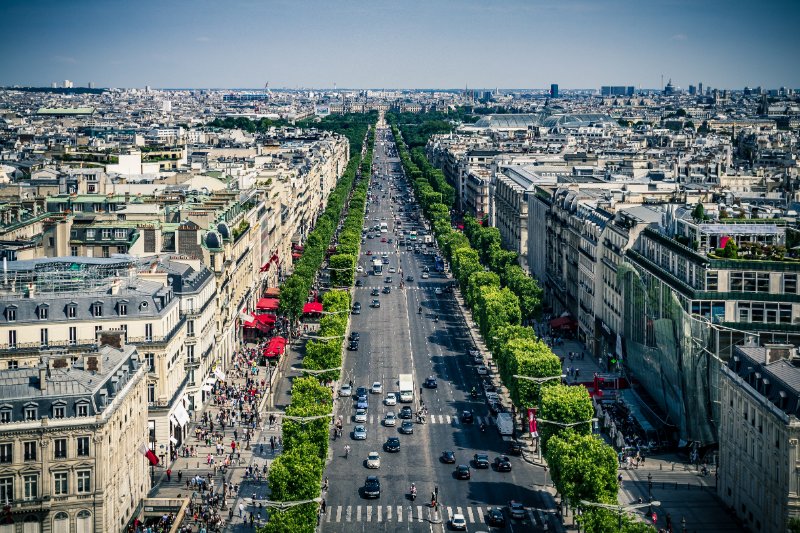
Avenue des Champs-Élysées is one of the most famous streets in the world. The street is famous for its many high-end fashions and luxury brands, as well as its elegant shops and high-end fashion.
There are a number of famous buildings on Avenue des Champs-Élysées. Avenue des Champs-Élysées has a number of other famous buildings. These include the Hôtel de Crillon, home to the US Embassy; the Hôtel de Ville; and the Hôtel de Sully, one of the largest hotels in France.
See Related: When Does the Eiffel Tower Sparkle? A Guide to its Stunning Light Display
Paris Museum of Modern Art
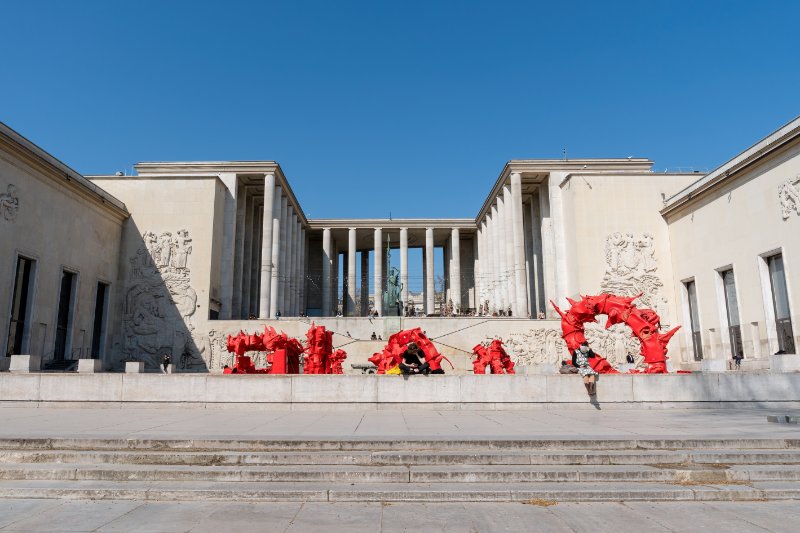
Paris Museum of Modern Art is one of the most popular museums in the world. It is home to some of the world’s most famous works of art, including works by Picasso, Dali, Matisse, and Monet. The museum is split into two main sections: the Picasso Museum and the Claude Monet Museum.
The Picasso Museum is home to Picasso’s famous painting, Guernica, which was painted during the Spanish Civil War. The Monet Museum is home to the world-famous House at Giverny, the painting that gave rise to the artist’s name. The museum also has a collection of Claude Monet’s paintings and works by other artists.
See Related: Top Free Museums in Paris
National Marine Museum
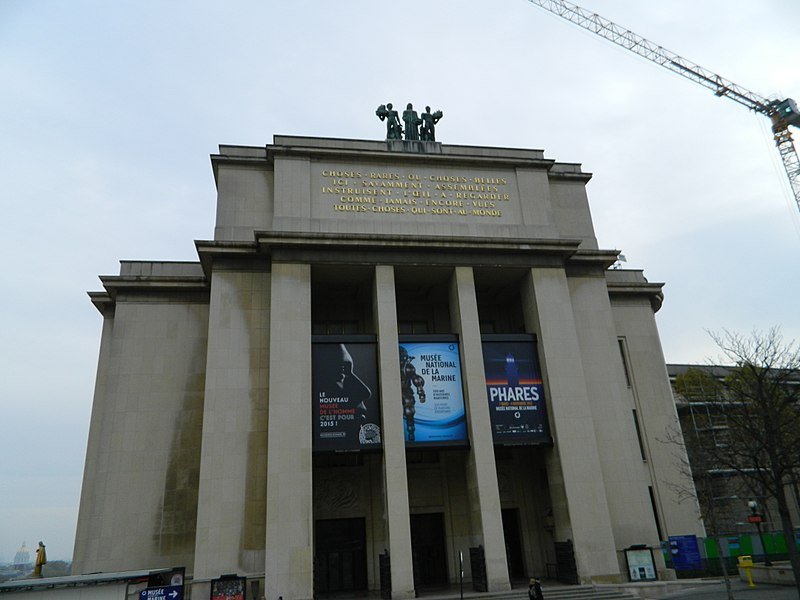
The National Marine Museum is on the Ile Saint-Louis in central Paris, France. Its purpose is to preserve and study marine life; its conservation is the centerpiece of the museum’s activities.
The Museum’s exhibitions, designed to be educational and entertaining, cover a wide range of marine life and are divided into sections dedicated to fish, invertebrates, mollusks, corals, sharks, shipwrecks, marine mammals, and vertebrates.
The museum is open to the public, and admission is free. The museum is open daily from 10 am – 6 pm (closed on Monday). It is accessible by public transport and is close to the Louvre and the Tuileries Gardens.
See Related: Best Travel Books About Paris: Must-Read Guides
Les Invalides
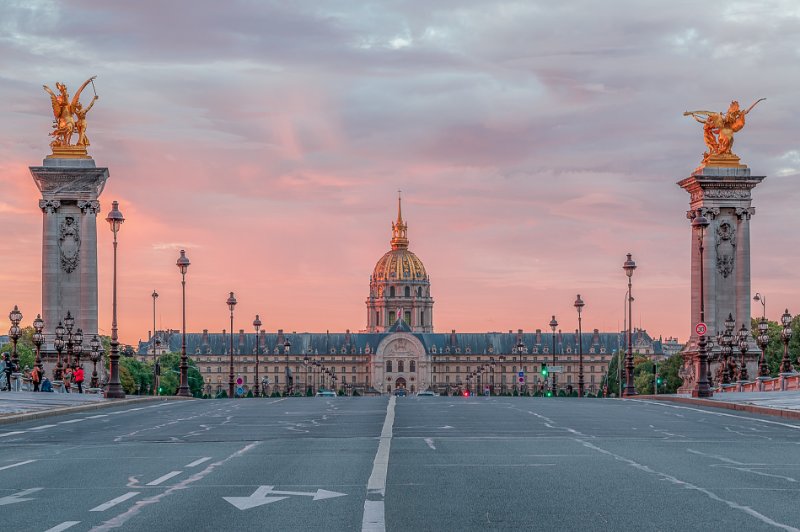
Les Invalides is a complex of buildings and gardens located in the heart of Paris, in the 5th arrondissement. It is home to the Musée de l’Armée, the Panthéon, and the Invalides, where Napoleon Bonaparte was buried.
Les Invalides is home to the Panthéon, a church and mausoleum shaped like a Greek cross. It is the resting place of many famous French people, including Voltaire, Rousseau, Molière, and many others. It is a UNESCO World Heritage Site with the most famous dome in the world.
The Invalides is a complex of buildings, including the Musée de l’Armée, a museum dedicated to the French military. The museum has many military uniforms, weapons, and equipment. The Musée de l’Armée is one of the largest museums in Europe and is home to over 100,000 pieces of military equipment and weapons.
See Related: Paris Pass Review
FAQs
Did the French build the Eiffel Tower?
Yes. The Eiffel Tower was designed and manufactured between 1885 and 1890 by French engineer Gustave Eiffel, who specialized in steel structures.
What do the French call the Eiffel Tower?
In French, La Tour Eiffel is sometimes called the Iron Lady. The iconic Eiffel Tower is a landmark of international importance. A centerpiece at the World Fair in 1889, it was aimed at commemorating a century in which France had achieved its greatest mechanical achievements.
Why is the Eiffel Tower so famous?
For so many reasons, but primarily because of its unique beauty. The Eiffel Tower has represented the most iconic symbol of Paris for nearly 150 years and is also the emblem of France. Its initial construction for the World Fair of 1889 impressed everyone with its size and inventiveness and symbolized French know-how.
Related Resources
- Fun & Interesting Facts About Paris
- Best Cabarets in Paris, France
- Top Paris Restaurants with a View of the Eiffel Tower